

Plain answers to the questions we get most.
Written by the Houston millwork team that mills, stocks, and installs the product. One question per page, answered the way we’d answer it on the phone — then we point you at the catalog page, configurator, or spec sheet that matches.
Editor’s picks
Start here
How much do hardwood stair treads cost?
Hardwood stair tread cost depends on three things: species, thickness, and width. A standard 1″ red oak tread is the most affordable; white oak, hickory, and hard maple step up; walnut and brazilian cherry are premium. Thick treads (1¾″ to 3½″) cost meaningfully more than 1″ treads in any species. Use the configurator for an exact number before you spec.
Read the answer →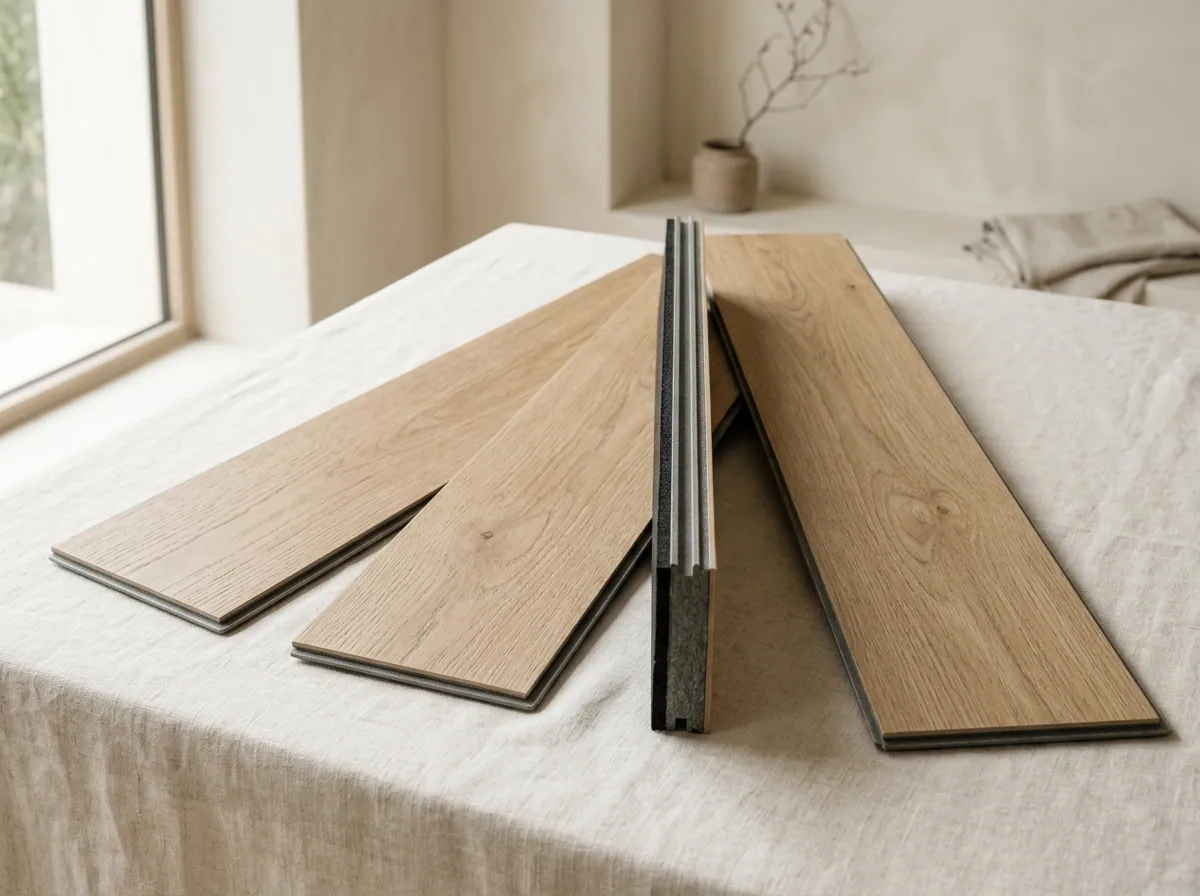
What is SPC flooring, and is it worth the price?
SPC (Stone Polymer Composite) is a rigid waterproof flooring built from stone powder and PVC, topped with a printed wear layer. It’s 100% waterproof, dent-resistant, click-lock installable over almost any substrate, and reads as wood or stone in finished form. SPC has become the fastest-growing whole-home flooring category in the last decade — for good reason in slab-on-grade Houston homes.
Read the answer →8070 vs. 8071 — which stair tread fits my existing staircase?
The 8070 is a full 1″ tread for new builds or full demos. The 8071 is a 5/8″ retro-fit overlay built to drop over carpeted stairs without demolition. The key reason: when you pull the carpet, the wood skirt board next to the staircase is roughly 11/16″ thick. The 8071 lands flush against it. The 8070 sits about 1/4″ proud and looks unfinished.
Read the answer →Different types of flooring — which one is right for my project?
Six categories cover almost every floor decision in a Houston home: solid hardwood, engineered hardwood, SPC vinyl plank, LVT/LVP vinyl, laminate, and tile or natural stone. Solid hardwood is the longest-lived and most refinishable; engineered is more stable at wider widths; SPC and LVP are waterproof and budget-friendly; laminate is the cheapest wood-look; tile is the only true wet-room floor.
Read the answer →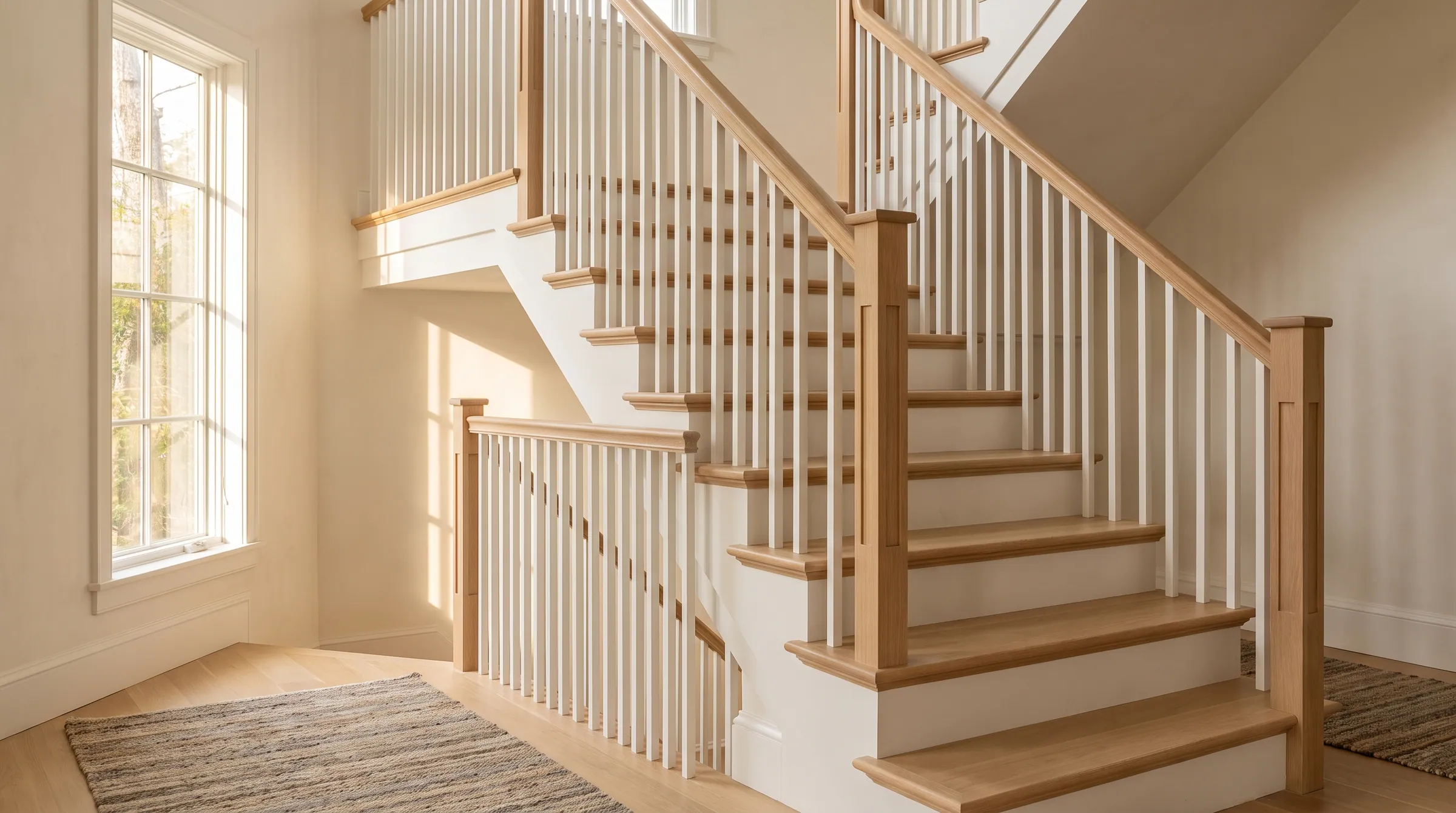
Stairs
Tread, riser, and railing decisions — from retro-fit math to species selection.
What’s the difference between a 1″ and a 1¾″ stair tread?
A 1″ stair tread is a retrofit cap that drops over an existing staircase — fast, affordable, and the right choice for most closed-stringer residential stairs. A 1¾″ thick tread is a structural-looking slab built for open, floating, or modern stairs where the tread itself is part of the architecture. Thickness changes the price, the install, and the entire look of the stair — not just the dimension.
Read →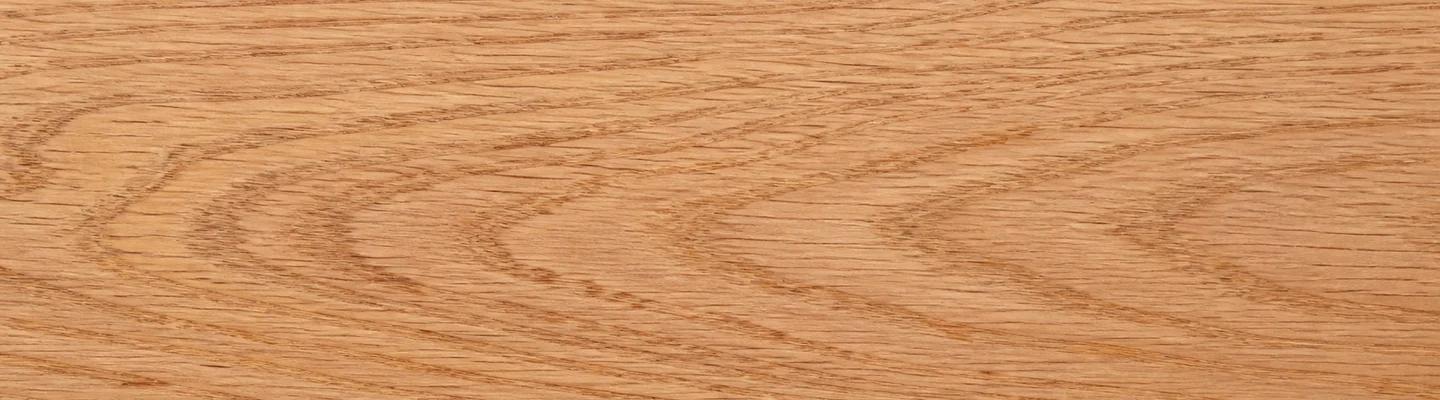
Red oak vs. white oak for stair treads in Houston humidity
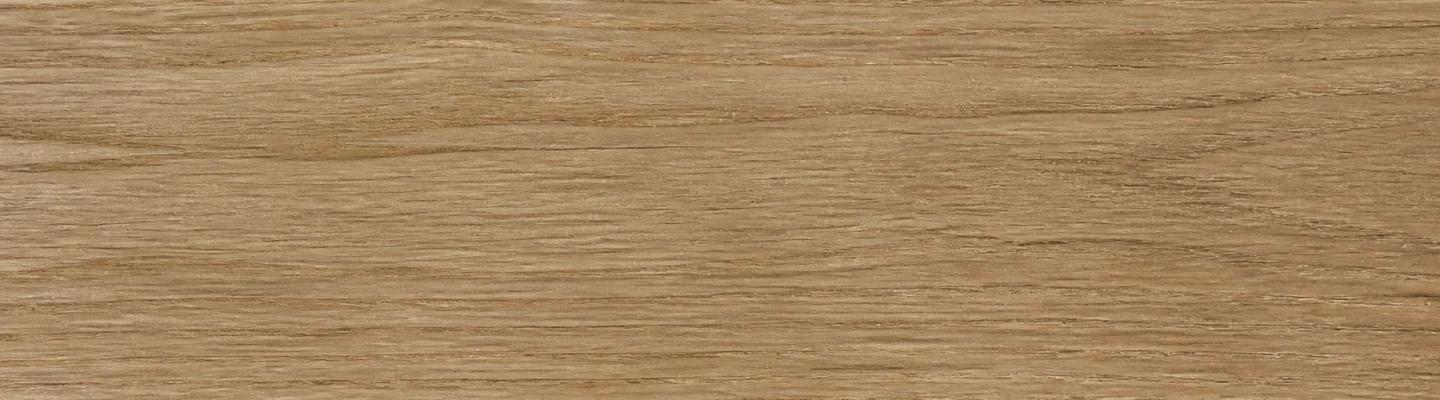
Both red oak and white oak make excellent stair treads in Houston — once acclimated, indoor performance is nearly identical. The real choice is look and budget. Red oak runs warm pink-brown with a busy grain at a lower cost; white oak runs golden-tan, takes modern stains more cleanly, and costs more. White oak also needs stainless fasteners — its tannins react with steel.
Read →Why does white oak turn black around screws — and how do I prevent it?
Black stains around screws and nails in white oak are iron tannate — what happens when white oak’s high tannins meet iron in moisture. Use stainless steel, epoxy-coated, or brass fasteners — never standard steel. If a stain already appeared, an oxalic acid wash usually lifts fresh marks before they migrate deeper into the grain.
Read →8070 vs. 8071 — which stair tread fits my existing staircase?
The 8070 is a full 1″ tread for new builds or full demos. The 8071 is a 5/8″ retro-fit overlay built to drop over carpeted stairs without demolition. The key reason: when you pull the carpet, the wood skirt board next to the staircase is roughly 11/16″ thick. The 8071 lands flush against it. The 8070 sits about 1/4″ proud and looks unfinished.
Read →Can you retrofit thick stair treads over existing stairs?
Thick stair treads (1¾″ to 3½″) aren’t retrofit material — adding that much thickness changes the rise of the top step, puts the stair out of code, and creates a visible step where the new tread meets the upstairs floor. For the thick-tread look on existing stairs, the honest answer is a full tear-down to the stringers and a rebuild from the framing up.
Read →EGU vs. face-grain thick treads — which one for my project?
EGU (edge grain up — staves turned on edge, glued like a butcher block) and face-grain (boards glued for the depth, laminated for the thickness) are UWP’s two custom thick-tread programs. EGU shows tight, linear butcher-block grain and offers the best dimensional stability for Houston humidity. Face-grain looks like a thicker version of a standard plank tread. Both are milled with a square or 1/8″ eased edge only and quoted by hand. Pick EGU for a modern statement; face-grain for traditional substance.
Read →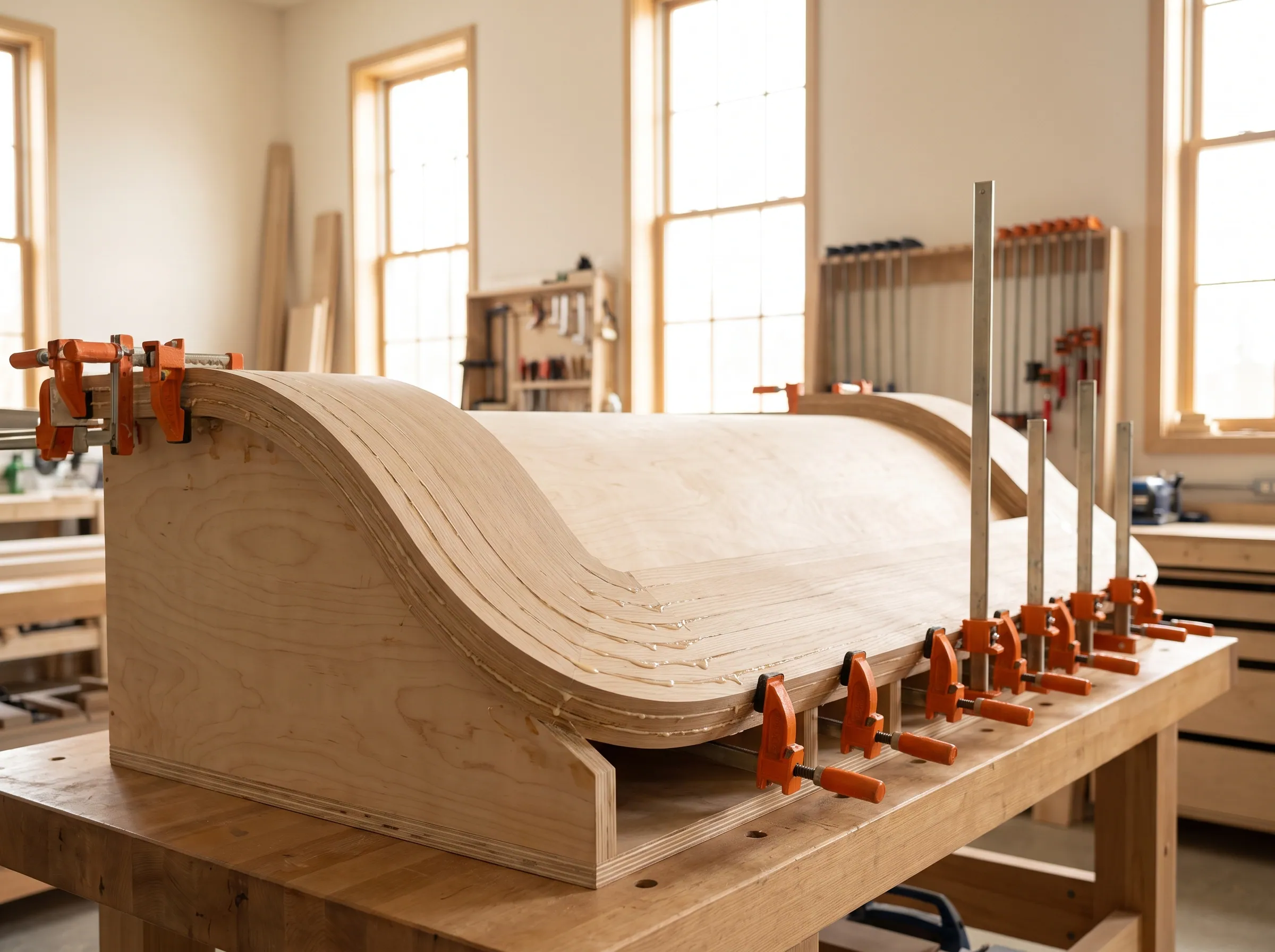
Can you build curved stair treads?
Yes. UWP builds curved stair treads to order — spiral stairs, radius stairs, elliptical winders, and irregular flares. Each curved tread is templated on-site before milling: we send a templater to the jobsite to capture the exact shape of every step, then mill from the template. The production date is confirmed once the template is approved.
Read →Stair treads vs. stairnosing — which one do I actually need?
A stair tread is the full walking surface — a solid wood plank that covers the entire step from front to back. A stairnosing is a thin profile that finishes only the front edge of a stair, used when the rest of the step is carpet, tile, vinyl, or engineered floor. Match the rest of the step: solid wood throughout → tread. Different surface on the step → stairnosing.
Read →How much do hardwood stair treads cost?
Hardwood stair tread cost depends on three things: species, thickness, and width. A standard 1″ red oak tread is the most affordable; white oak, hickory, and hard maple step up; walnut and brazilian cherry are premium. Thick treads (1¾″ to 3½″) cost meaningfully more than 1″ treads in any species. Use the configurator for an exact number before you spec.
Read →Pre-finished vs. unfinished stair treads — which one should I order?
Unfinished stair treads are the right call for almost every install. They cost less, ship faster, and let you stain to match an existing floor exactly. Pre-finished treads only make sense when the species and stain are stocked and your project can absorb the shorter handling window before install. Most pros order unfinished and finish on-site.
Read →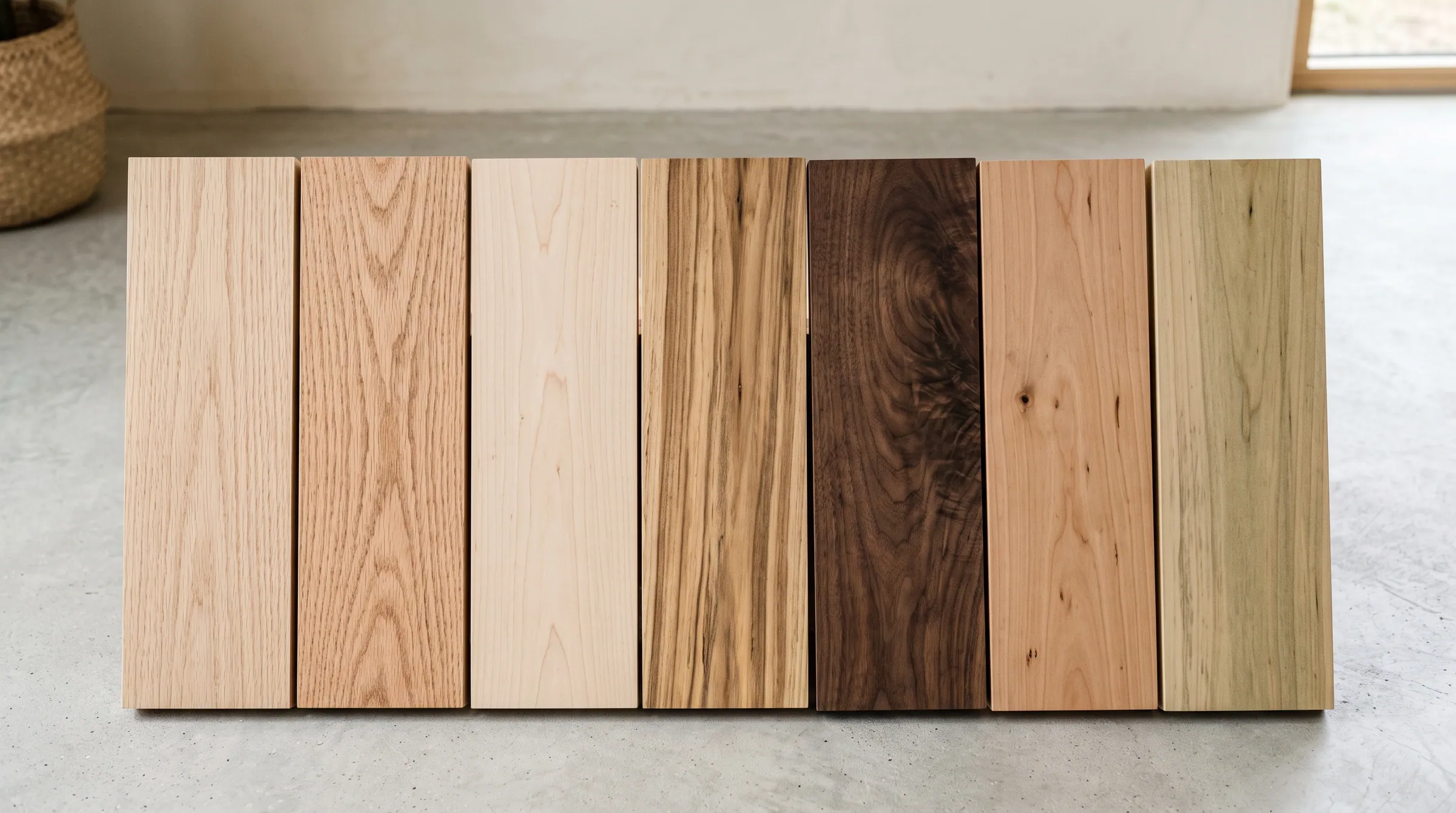
Wood species cheat sheet — red oak, white oak, hickory, hard maple, walnut, brazilian cherry
UWP mills six hardwood species: red oak, white oak, hickory, hard maple, walnut, and brazilian cherry. Red oak is the affordable warm baseline; white oak runs golden-tan and takes modern stains cleanly; hickory shows the strongest grain contrast; hard maple is the tightest, lightest grain; walnut is rich chocolate; brazilian cherry is the hardest and reddest. Pick on look first, hardness second.
Read →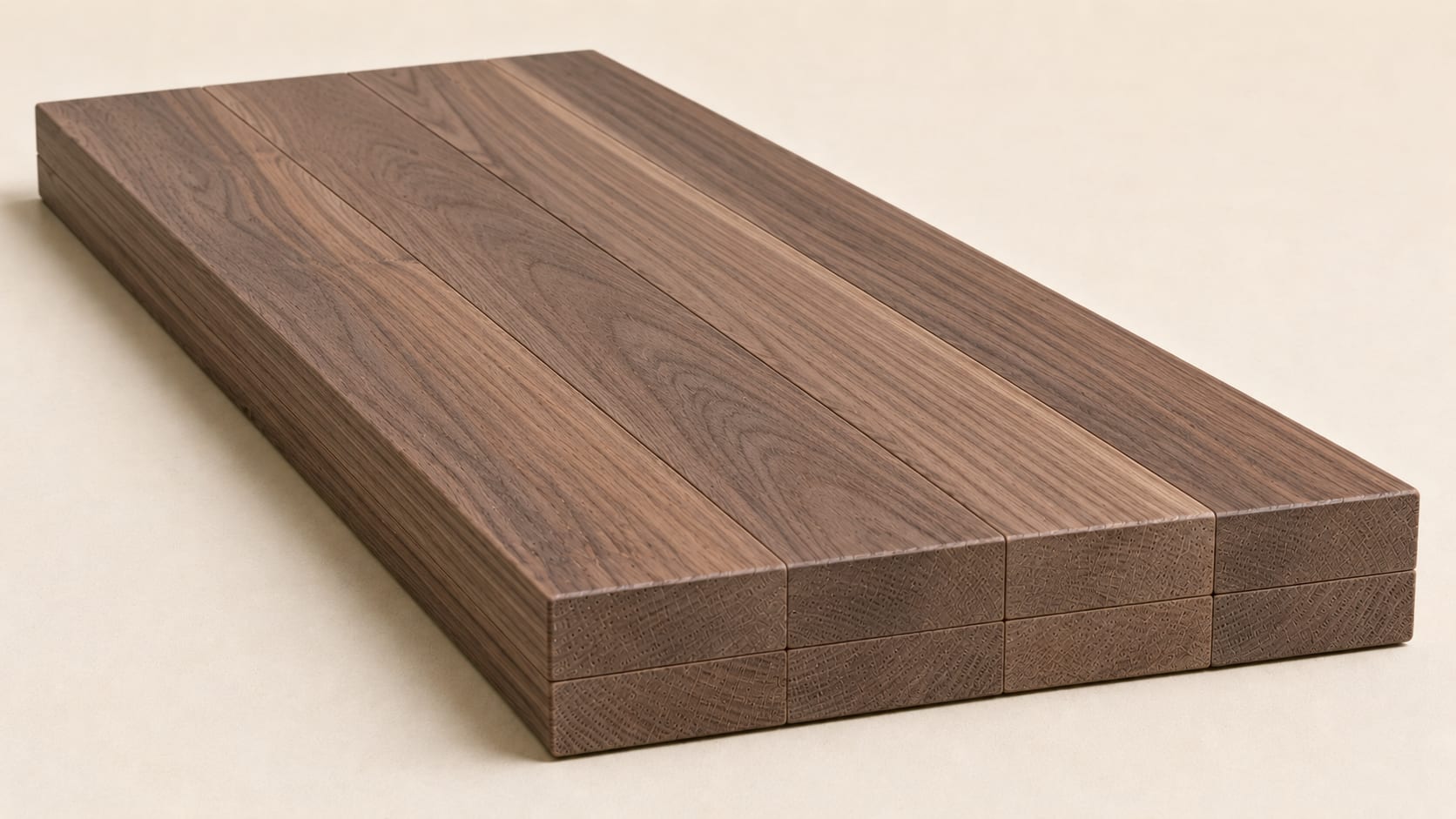
Walnut vs. white oak stair treads — which one for my project?
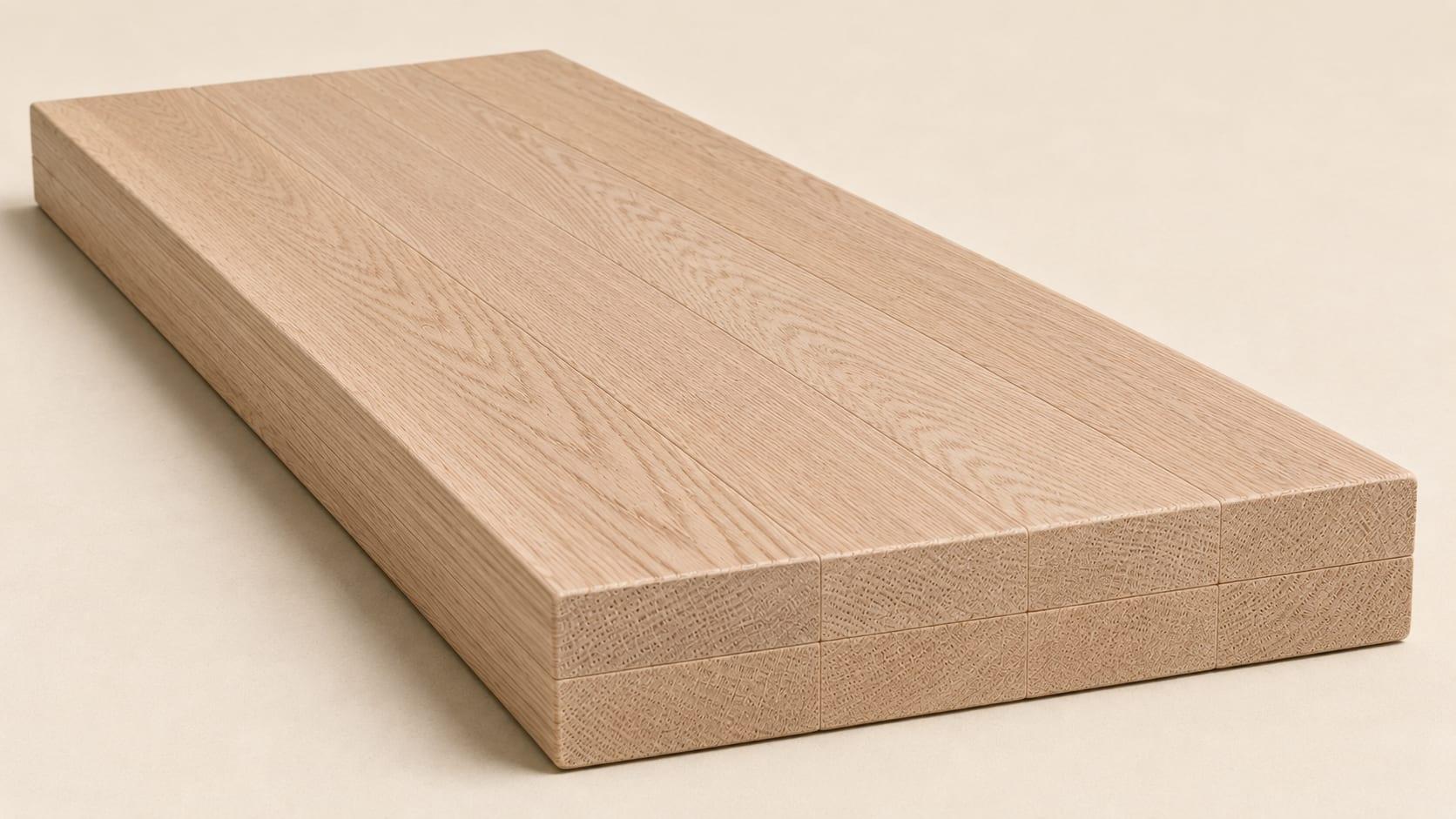
Walnut and white oak are UWP’s two premium-feeling stair tread species. Walnut runs deep chocolate brown, reads as luxe and warm, and is the softer of the two (Janka 1010). White oak runs golden-tan, takes modern stains cleanly, and is harder (Janka 1350). Walnut costs more. Pick walnut for statement stairs, white oak for a modern look with better durability and lower cost.
Read →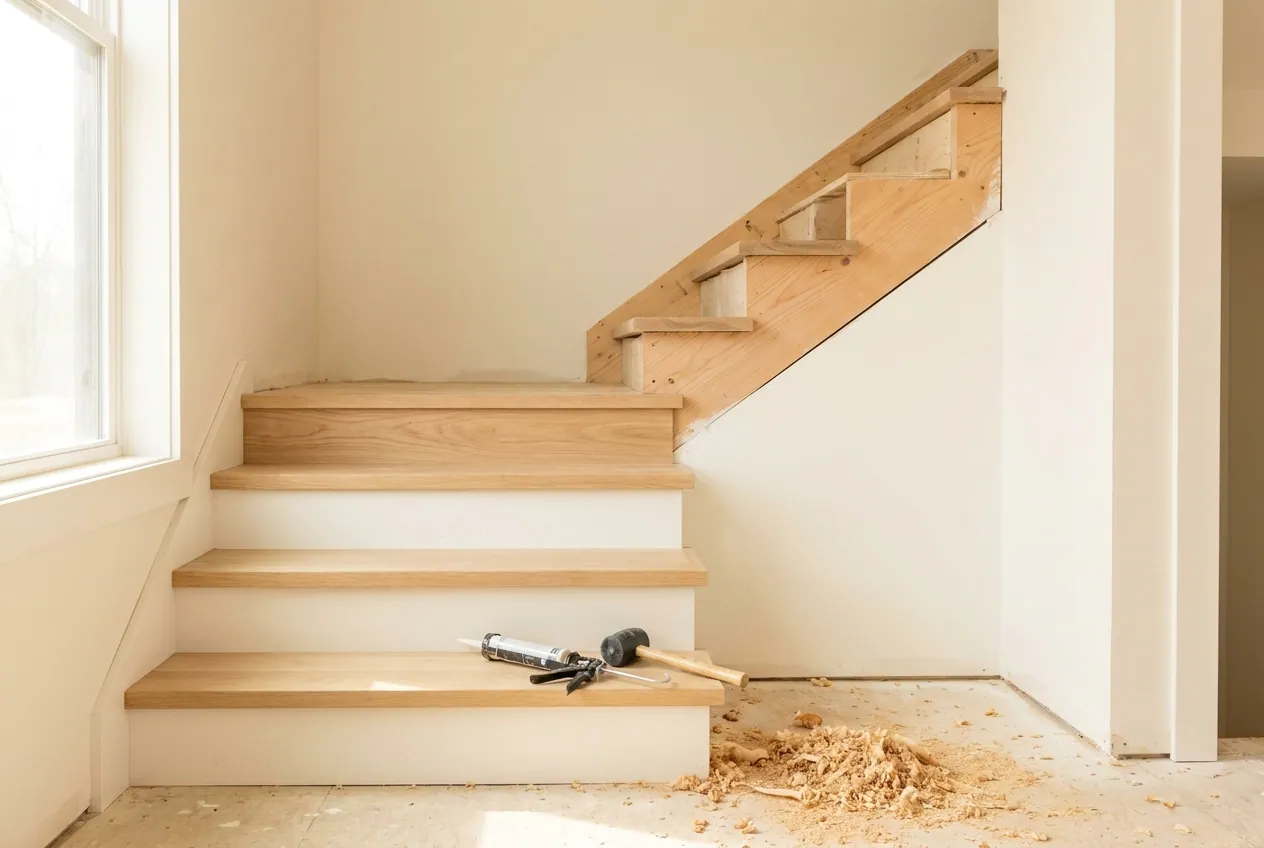
How do I install hardwood stair treads?
A confident DIYer can install a hardwood stair tread retrofit in a weekend. The sequence: pull carpet and staples, prep the substrate flat and quiet, acclimate the treads for 5 to 7 days, dry-fit each tread, glue with a urethane construction adhesive, fasten with stainless trim screws (countersunk), plug, sand, and finish. Risers go in before treads on a full build; after, on a retrofit.
Read →What are the standard dimensions of a hardwood stair tread?
A standard hardwood stair tread is 1 inch thick, 10-1/2″ to 11-1/2″ deep (front to back), and stocked in 42″, 48″, and 60″ widths at UWP — with red oak running to 96″. The IRC building code requires a minimum 10″ tread depth with a 3/4″ nosing overhang. Custom widths, depths, and thicknesses are available built to order.
Read →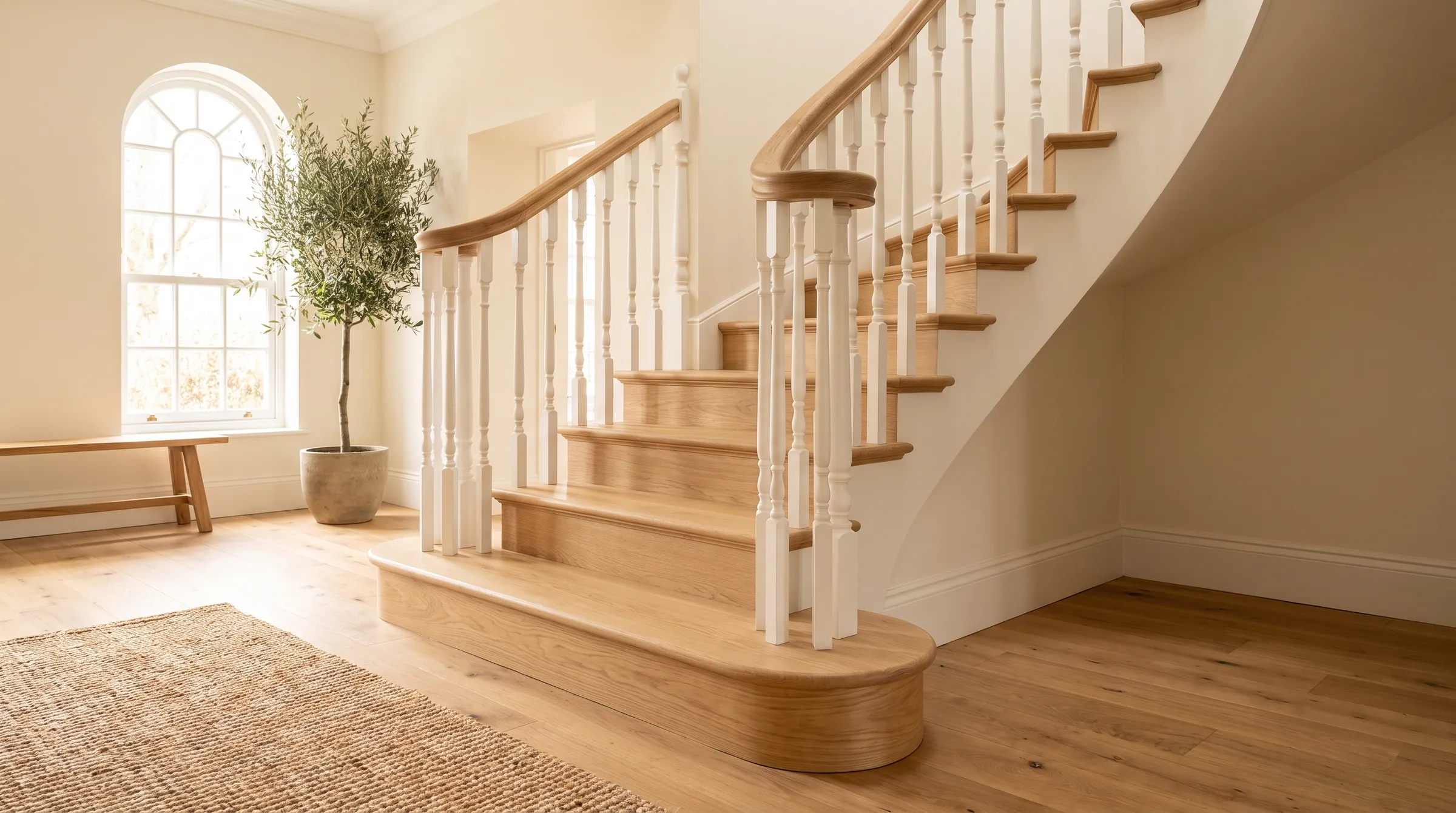
How long do hardwood stair treads last?
A properly installed solid hardwood stair tread lasts 50 to 100+ years. The finish wears in 10 to 25 years and gets refinished; the wood itself is essentially permanent on a residential stair. Carpet runs 5 to 10 years; engineered overlay strips run 15 to 25; laminate stair treads run 5 to 15. Solid hardwood is the only stair surface measured in generations.
Read →What are the IRC stair code rules in plain English?
The IRC residential stair code requires a minimum 10″ tread depth, a maximum 7-3/4″ riser height, a 3/4″ nosing overhang, 36″ minimum stair width, 6′8″ minimum headroom, and handrails on at least one side. Variation between any two treads on the same flight cannot exceed 3/8″. Most code violations on retrofit jobs come from changing the tread thickness without re-framing the stair.
Read →What is a stair skirt board, and do I need to replace mine?
A stair skirt board is the flat trim piece running along the wall beside a staircase. It covers the rough edges of the stringers and treads where they meet the wall. On most carpeted stairs built since the 1960s, the skirt is a nominal 1×8 (about 11/16″ thick) — the critical reference dimension for retro-fit tread installs. Keep the skirt if it’s clean; replace if you’re changing tread thickness.
Read →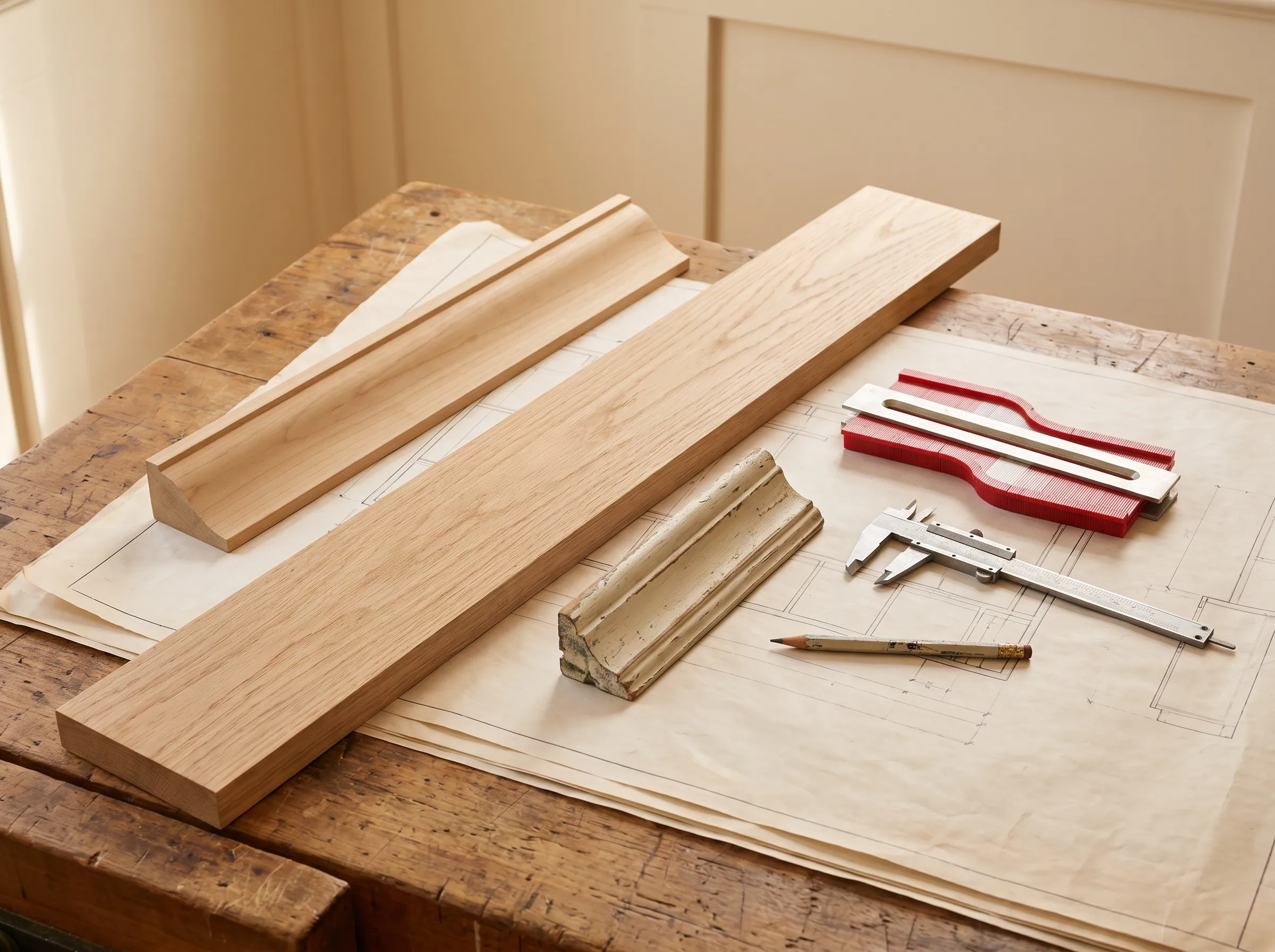
How do I match new stair treads to my existing hardwood floors?
Match new stair treads to existing floors in three steps: confirm the floor species (red oak and white oak look similar but stain very differently), order unfinished treads in the same species, and have the same finisher stain and topcoat both the floor and the treads with the same can. Pre-finished stair treads almost never match a site-finished floor exactly.
Read →How do I fix squeaky stairs?
Squeaky stairs are usually caused by wood components rubbing against each other or against loose fasteners — most often the tread-to-riser joint or the tread-to-stringer connection. Fix from below if your stairs have open underside access (basement stair), or from above by screwing through the tread into the riser and plugging the holes. Severe or widespread squeaks usually mean a re-tread job.
Read →Engineered vs. solid hardwood stair treads — what’s the difference?
Solid hardwood stair treads are a single piece of wood, top to bottom — 1″ thick, refinishable for decades. Engineered "stair treads" are a thin hardwood veneer (2–6 mm) over a plywood or composite core, designed to match engineered floor planks. Solid lasts generations; engineered lasts 15 to 25 years. UWP mills only solid — the cost difference doesn’t justify the lifespan gap.
Read →Stair terminology glossary — tread, riser, stringer, nosing, and the rest
A staircase has more named parts than most people realize. The tread is the horizontal walking surface; the riser is the vertical board between treads; the stringer is the diagonal structural framing; the nosing is the front lip of the tread; the skirt board is the trim against the wall. Below: every term, plain English, with a note on where each one matters for ordering and installation.
Read →Bullnose vs. square-edge stair treads — which profile is right for my project?
Bullnose treads have a rounded front edge that overhangs the riser — the traditional look in American homes. Square-edge (and eased) treads have a straight or slightly softened front edge — the modern look. Both meet code with a 3/4″ nosing. Pick bullnose for traditional and transitional designs; square or eased for modern, contemporary, and minimalist projects.
Read →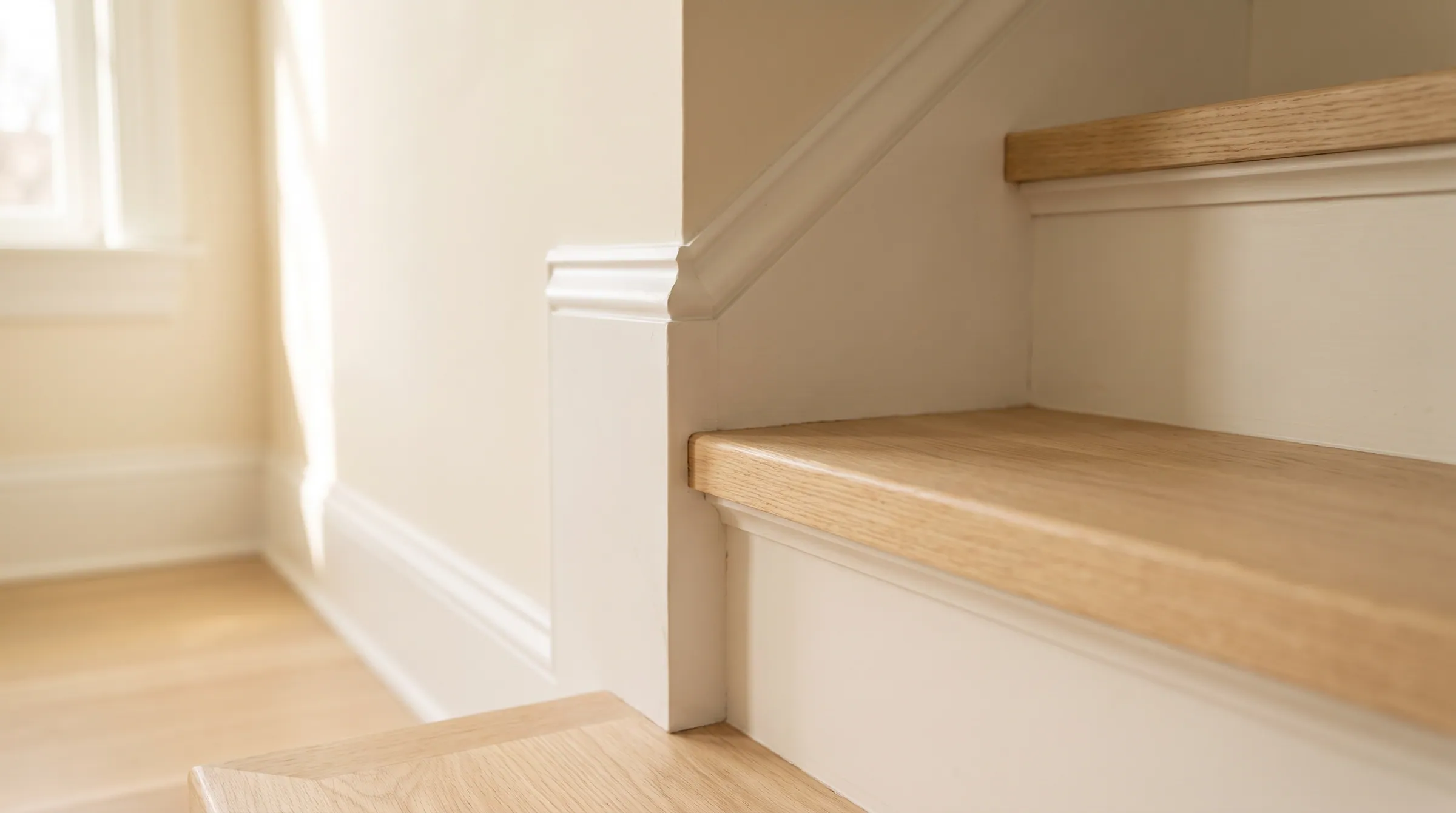
How do I clean and care for hardwood stair treads?
Clean hardwood stair treads with a soft broom or vacuum (no beater bar) followed by a barely-damp microfiber mop. Use only hardwood-specific cleaners — never water, vinegar, ammonia, or steam. Refinish when the topcoat shows wear, typically every 10 to 20 years. Place a runner if the stair gets heavy foot traffic; runners aren’t mandatory but they extend the time between refinishes significantly.
Read →Should my stair risers be painted white or stained to match the treads?
The default in American residential stair design is painted white risers with stained hardwood treads — a high-contrast look that brightens the staircase and reads as traditional. Stained risers to match the treads create a quieter, more modern, monochromatic look. Pick painted for traditional and transitional homes; stained for modern and craftsman homes. Mixed (stained on the lower stairs, painted above) reads as a mistake.
Read →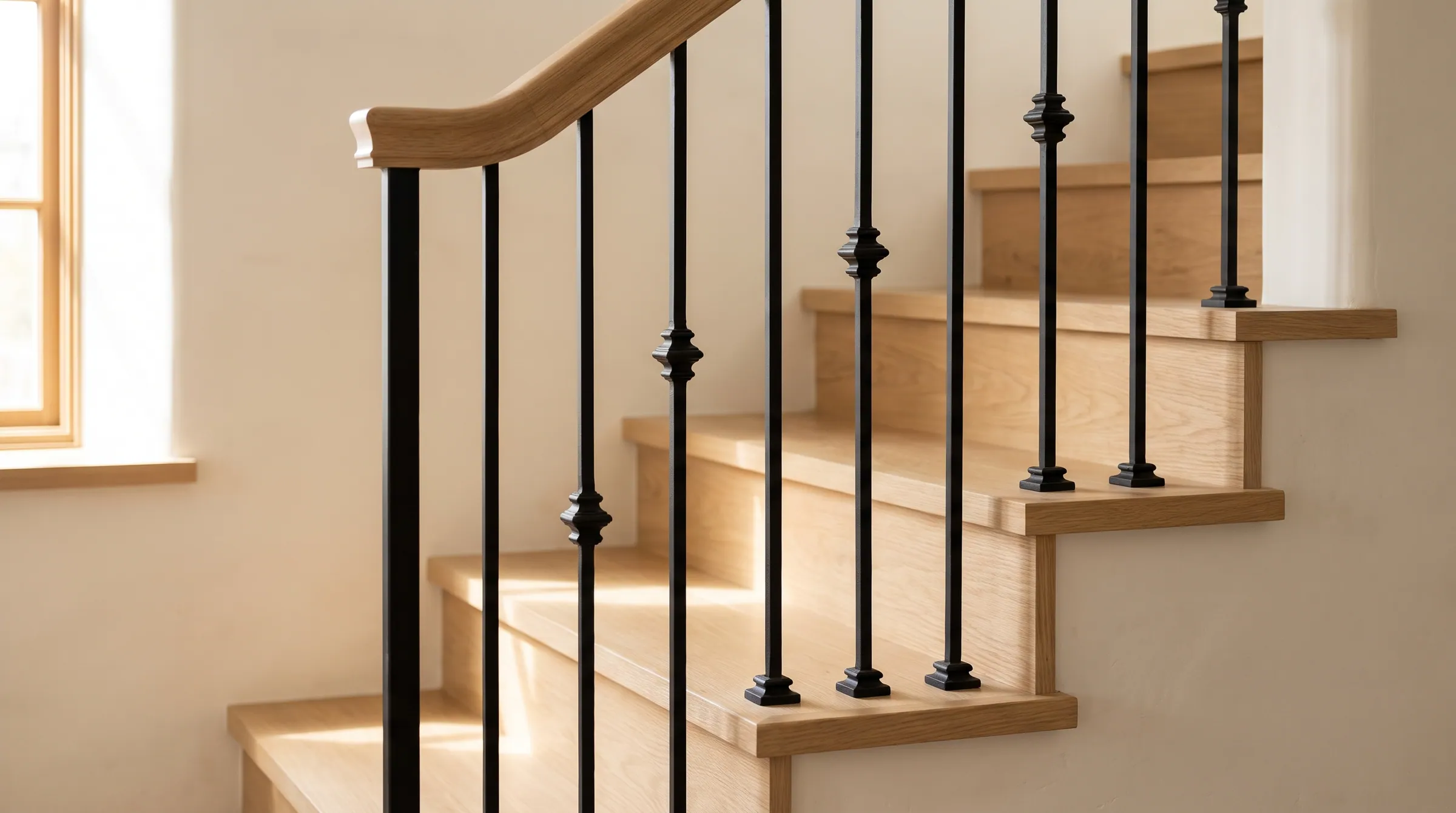
Iron vs. wood balusters — which one for my staircase?
Wood balusters read as traditional and warm; iron balusters read as transitional, modern, or industrial. Wood is easier to install, refinishable, and matches stained handrails. Iron is more durable, allows thinner profiles for a more open stair, and pairs well with mixed-material designs. Most Houston homes built since 2010 use iron; older traditional homes use wood. Mix them only if the design language supports it.
Read →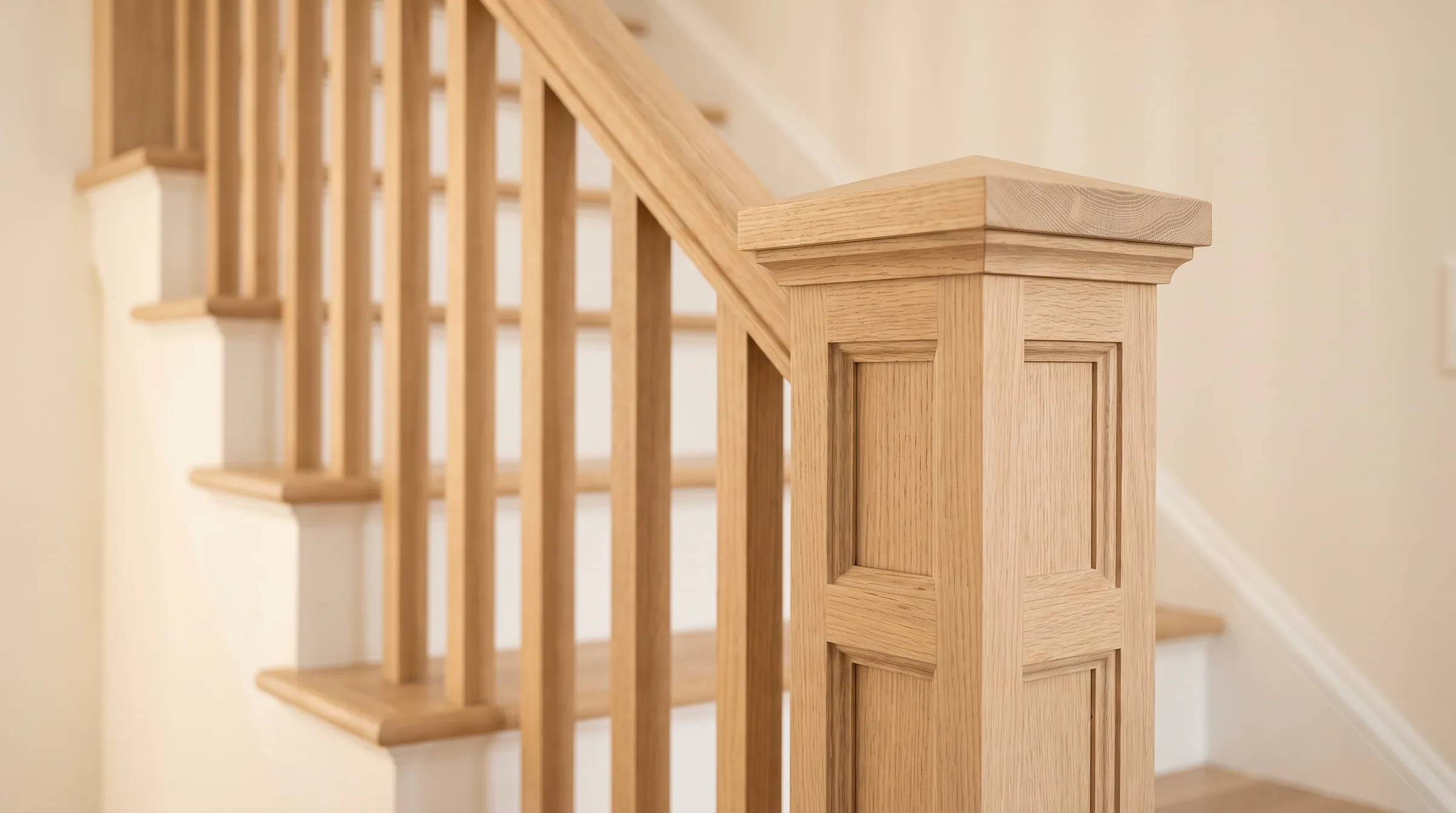
How do I choose a stair newel post?
A newel post is the structural anchor at the top, bottom, and turns of a stair railing. The four main families are box newel (large rectangular, traditional), turned newel (classical with profile turning), modern square (clean tapered or straight), and craftsman (substantial square with shaker detail). Size to the stair scale (4 to 8 inches), match the baluster style, and use the same wood species as the handrail.
Read →What height should my stair handrail be?
The IRC requires stair handrail height between 34 and 38 inches above the nosings — measured straight up from the front edge of each tread. Most installers land at 36 inches as a comfort default. Taller homes or households with taller users can go to 38; shorter occupants and accessibility-focused installs sometimes go to 34. Pick the height first, then size the grip profile to match the user’s hand.
Read →How much does it cost to refinish a staircase?
Refinishing a residential staircase in Houston typically runs $400 to $1,200 for the treads only, $800 to $2,500 for treads plus risers and skirts, and $1,500 to $4,000 for full refinish including handrails and balusters. DIY runs about 30% of pro pricing in materials only. Severely worn or damaged stairs may cost more to refinish than to re-tread with new hardwood — get both quotes before committing.
Read →
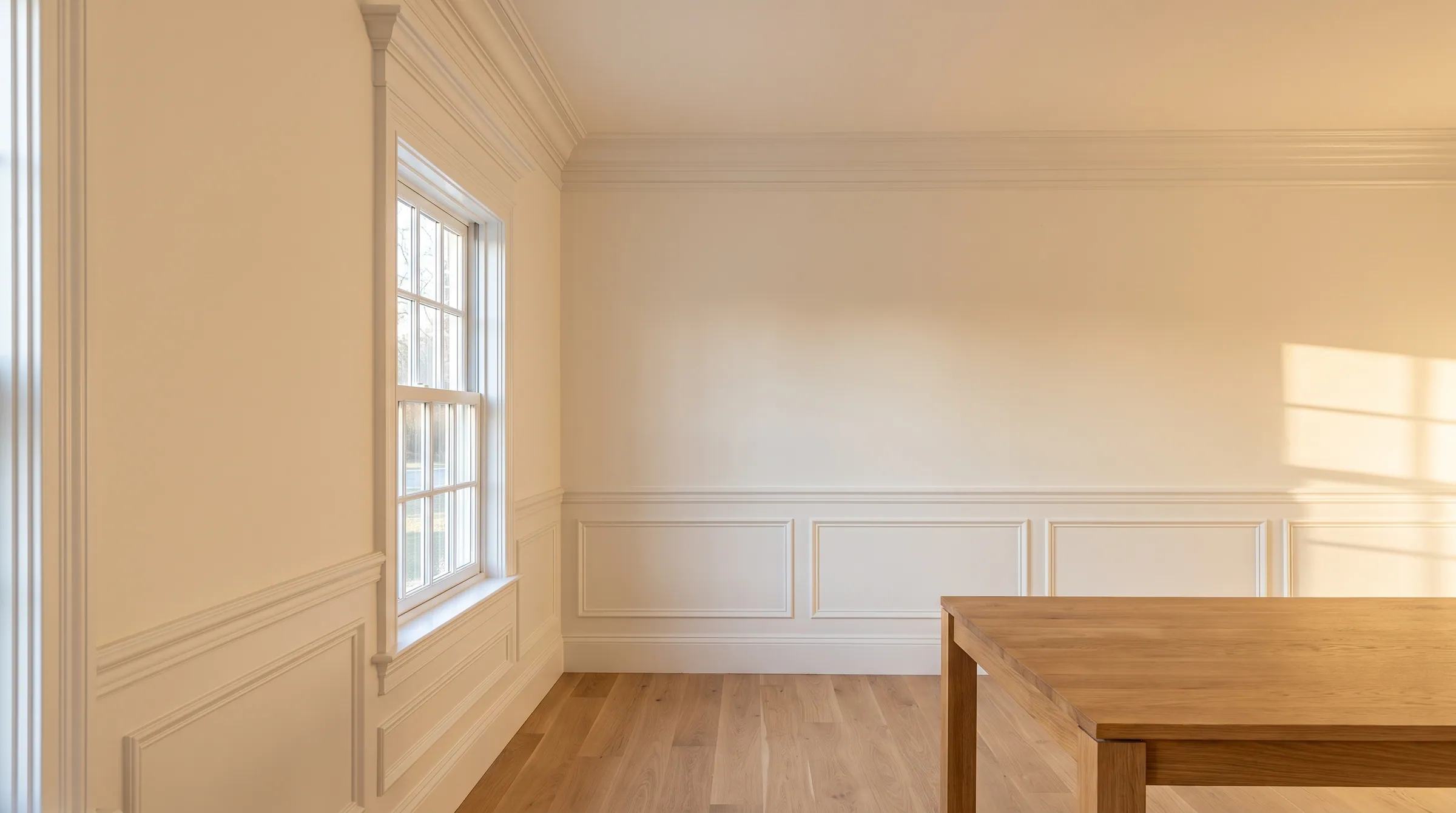
Mouldings
Baseboard, casing, crown, and the trim that ties a house together.
What size baseboard works with 9-foot ceilings?
For 9-foot ceilings, the standard recommendation is a 5-1/4″ to 7-1/4″ baseboard — roughly 5% to 8% of ceiling height. 5-1/4″ keeps the room feeling modern and uncluttered; 7-1/4″ reads as traditional and substantial. Don’t go below 4-1/4″ on a 9-foot ceiling; the proportions look pinched. Match the casing scale — bigger base wants 3-1/2″ or wider casing.
Read →
MDF vs. solid wood baseboards — what should I use?
MDF baseboards are cheaper, take paint smoothly, and arrive with a perfect surface — but they swell with water, dent easily, and can’t be sanded or stained. Solid wood baseboards cost more and have visible grain, but they hold up to mopping, kicks, and Houston humidity, and they can be stained, sanded, and refinished. For a forever home, solid wood is the better long-term call.
Read →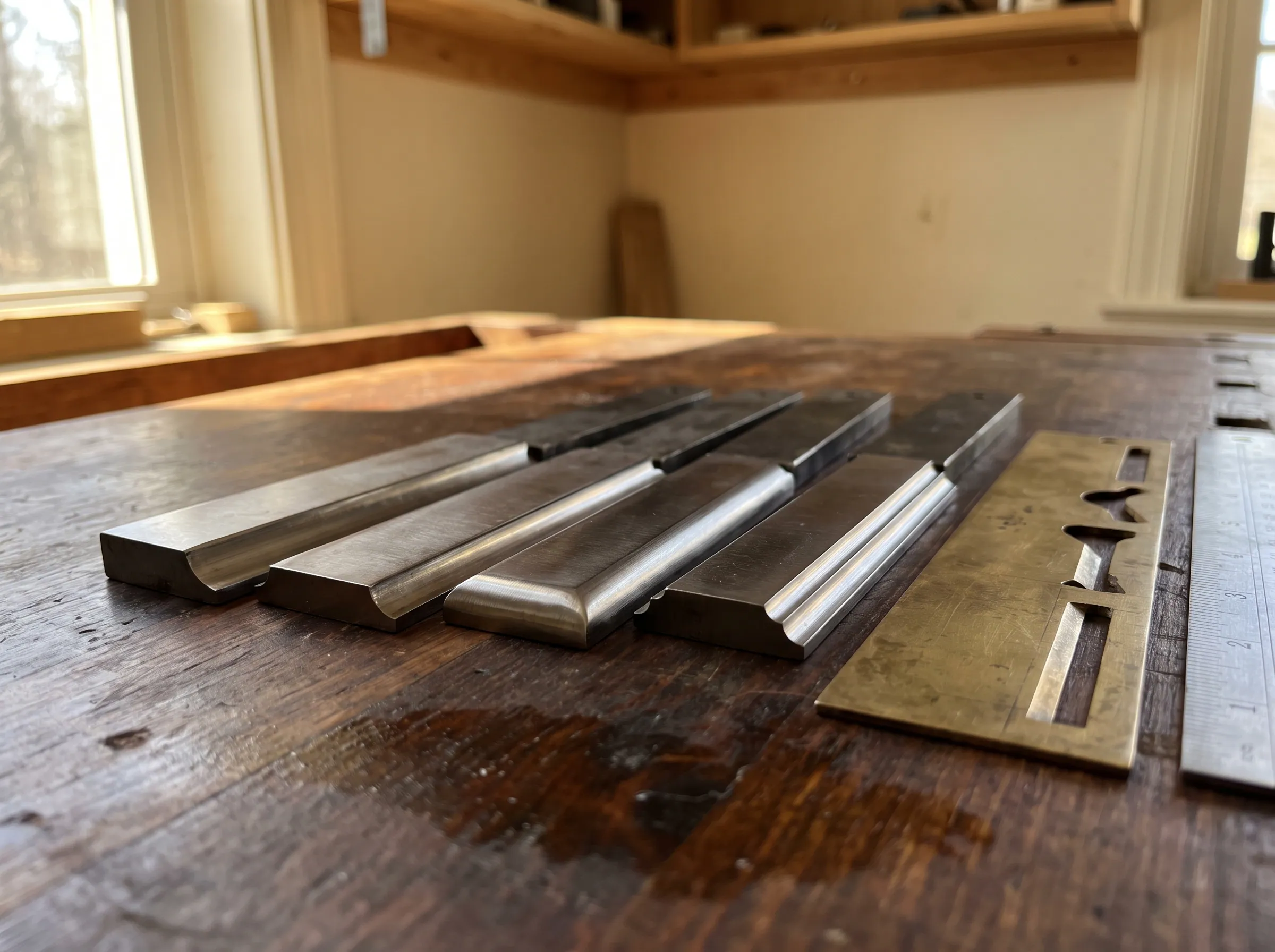
Can you match my existing moulding profile?
Yes. UWP runs custom knives to match existing baseboards, crown, casing, and any other milled profile. Bring us a 6-inch sample piece, a clean sketch with dimensions, or even a photo with a scale reference. We grind a new knife to match, run your order, and keep the knife on file for re-orders. One-time knife fee covers the setup; per-foot pricing matches our stock catalog.
Read →Crown vs. cove moulding — what’s the difference and which one do I need?
Crown moulding is sprung — it sits at an angle bridging the wall and ceiling, with an ornate profile that can include curves, beads, and steps. Cove moulding is a single concave curve, sitting flat into the wall-ceiling corner. Crown reads as traditional and substantial; cove reads as clean and quieter. For 8-foot ceilings, cove or small crown. For 9-foot+, scale up.
Read →Casing styles — colonial vs. craftsman vs. modern square. Which one for my home?
Three casing styles cover most American homes: colonial (stepped profile, traditional, the default since the 1950s), craftsman (flat board with a simple cap, square-edged, bungalow and arts-and-crafts homes), and modern square (a flat rectangle, no profile, contemporary and minimalist). Pick by the era and architecture of your home — don’t mix styles between the casing and the baseboard.
Read →Shoe moulding vs. quarter round — what’s the difference and which one do I need?
Quarter round is a true quarter-circle profile — equal on both faces, typically 3/4″ × 3/4″. Shoe moulding is taller than it is wide — typically 1/2″ × 3/4″, with a softer rounded face — sitting more discretely against the baseboard. Both finish the seam between baseboard and floor. Pick shoe moulding when you want a quieter look; quarter round when you have a wider gap to cover.
Read →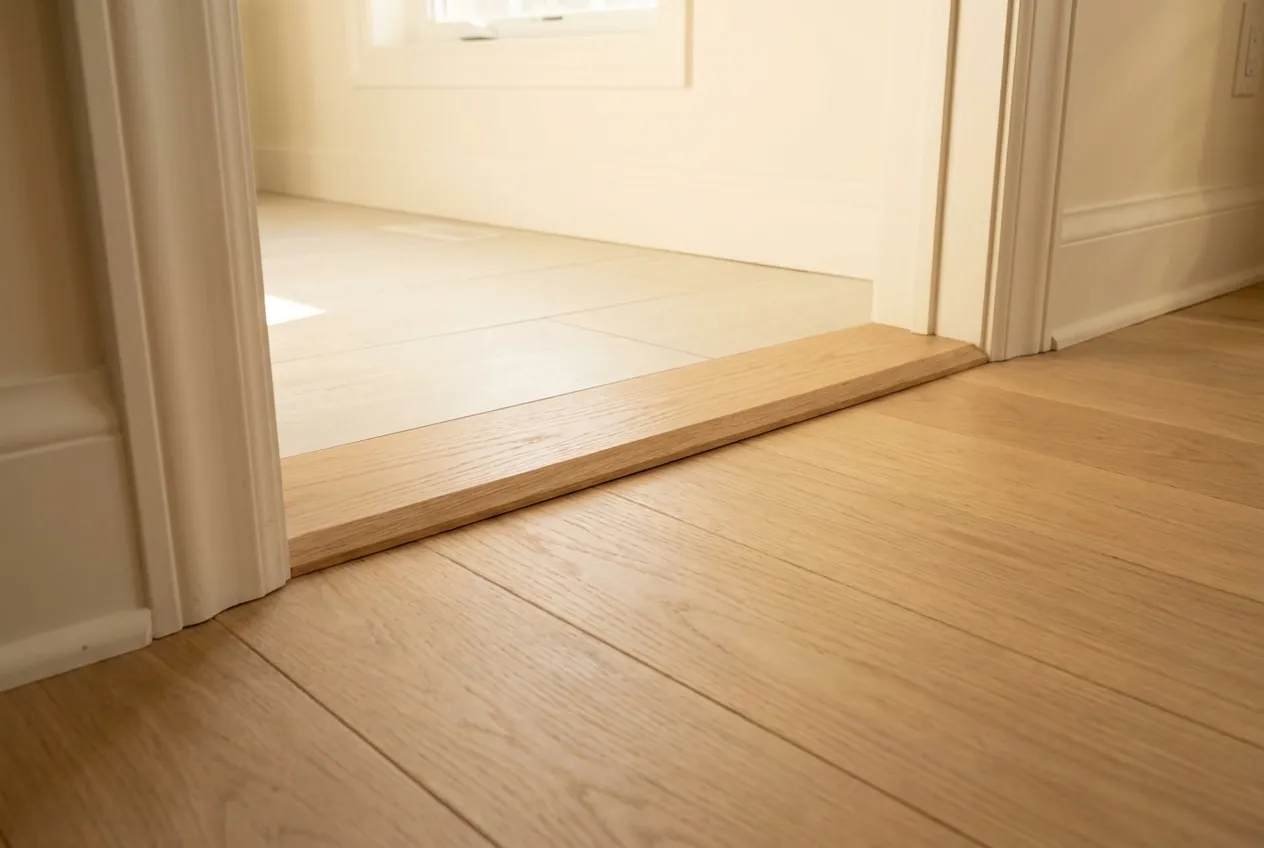
What are threshold and transition strips, and which one do I need?
Threshold and transition strips finish the seam where two floors of different heights or materials meet. The four main types are T-mould (same-height transition between same-thickness floors), reducer (taller floor to shorter floor), end-cap or carpet-edge (hardwood to carpet), and threshold (door opening, where two rooms meet). Pick by the floor heights you’re transitioning and what kind of doorway it is.
Read →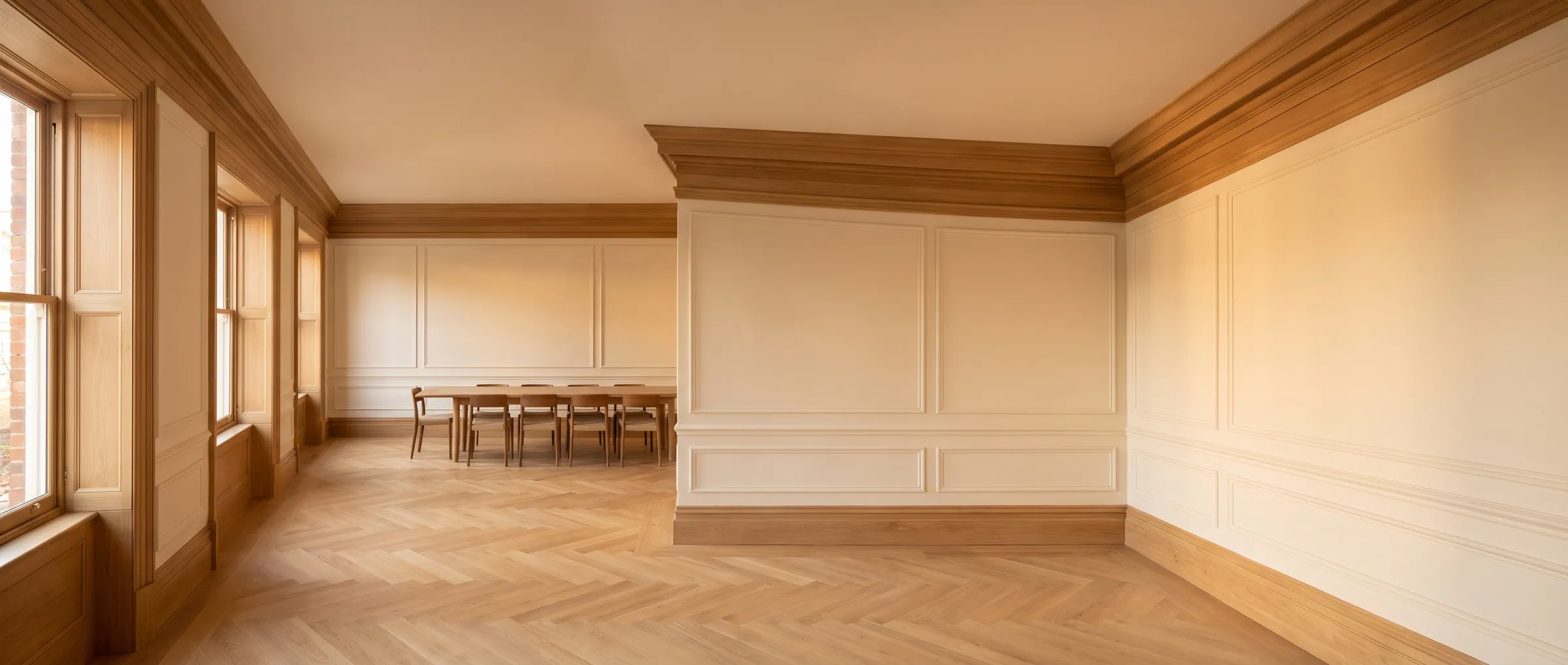
What trim goes where? A room-by-room guide.
Trim choice should read as a consistent system across the house, not a room-by-room patchwork. Baseboard and casing run everywhere, sized to ceiling height and door scale. Crown is reserved for formal rooms in traditional homes and skipped in modern ones. Chair rail and panel mould go in formal dining and entry. Stair trim ties the upstairs and downstairs together.
Read →How much trim do I need? A room-by-room calculation guide.
Calculate baseboard by measuring the perimeter of every room, subtracting door openings, then adding 10% for waste. Casing needs 17 to 20 linear feet per standard door, 14 to 17 per window. Crown takes the same perimeter as base. Shoe and quarter round match the base. The trim and casing calculator on our site does the math by room — feed in dimensions, get a total order list.
Read →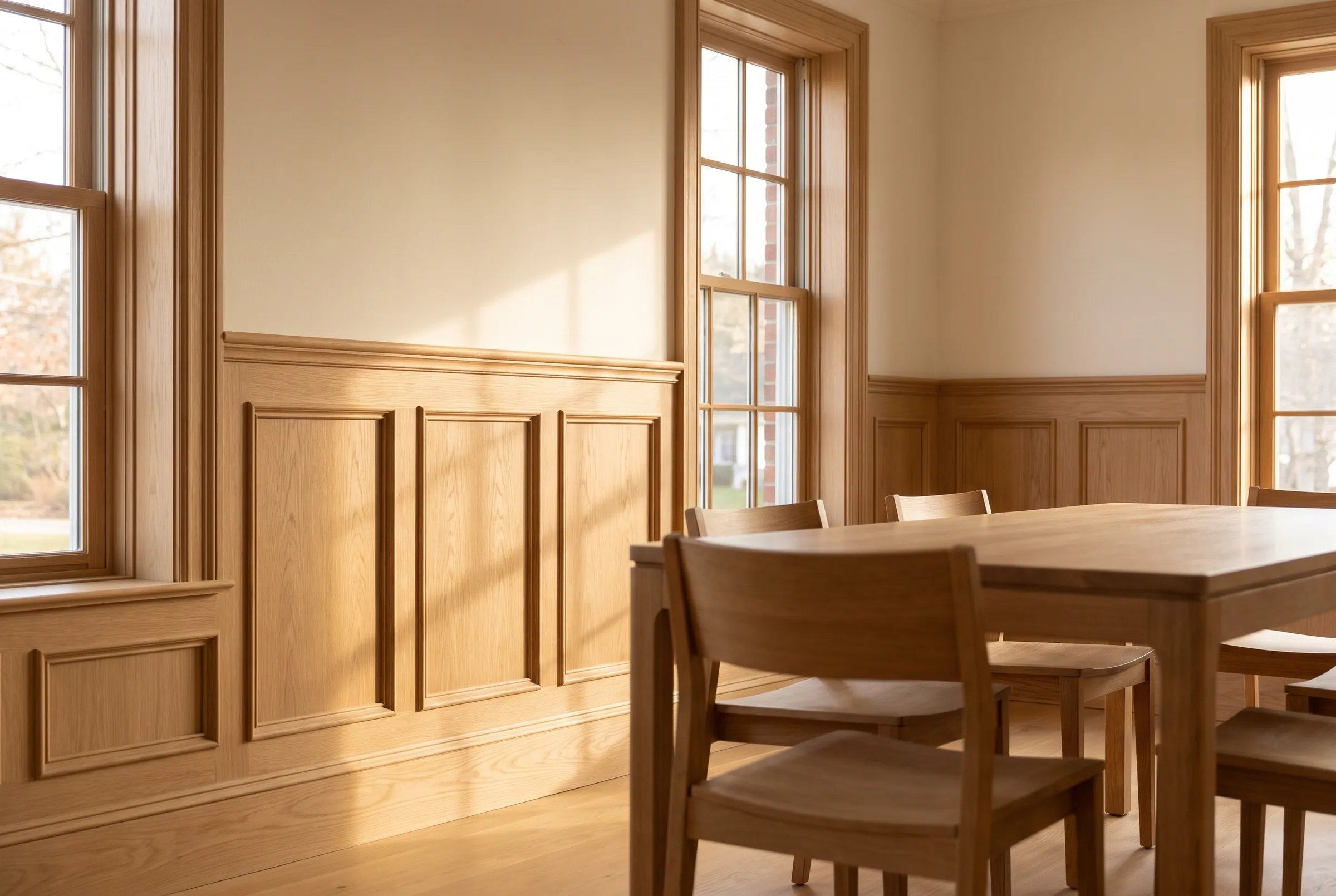
Wainscoting styles — beadboard, shiplap, board-and-batten, raised panel. Which one for my room?
Wainscoting is wall paneling that covers the lower 30 to 48 inches of a wall. Five main styles: beadboard (narrow vertical strips with bead detail), shiplap (horizontal overlapping boards), board-and-batten (flat panels with vertical battens), flat-panel (simple recessed squares), and raised-panel (formal beveled panels). Pick on home style — beadboard for farmhouse, shiplap for coastal, raised panel for traditional formal.
Read →Cabinet crown molding vs. room crown — how do they work together?
Cabinet crown molding sits on top of upper cabinets, finishing the cabinet-to-ceiling transition. Room crown moulding runs along the wall-ceiling seam around the rest of the room. These two crowns typically don’t coexist in the same kitchen — the cabinet crown is the dominant ceiling treatment when present, and room crown would visually compete. Use cabinet crown in kitchens with upper cabinets that reach close to the ceiling; use room crown elsewhere.
Read →Shiplap vs. tongue and groove — what’s the actual difference, and which should I use?
Shiplap is a rabbeted lap joint: each board overlaps its neighbour, so the seam can hold a deliberate gap — the reveal. Tongue and groove is a mechanical joint: a tongue on one edge seats in a groove on the other, locking boards flat and hiding the fastener. Shiplap is for a visible line. Tongue and groove is for a flat, continuous surface, especially overhead.
Read →How much shiplap do I need, and how does the reveal change the coverage?
Shiplap coverage is the board’s face width minus the lap, plus whatever reveal you hold. A 5-1/2″ board with a 1/2″ lap covers 5″ flush, 5-1/8″ at a 1/8″ reveal, and 5-1/4″ at a 1/4″ reveal. Divide the wall height by that number, round up, and add a 10 to 15 percent cut allowance.
Read →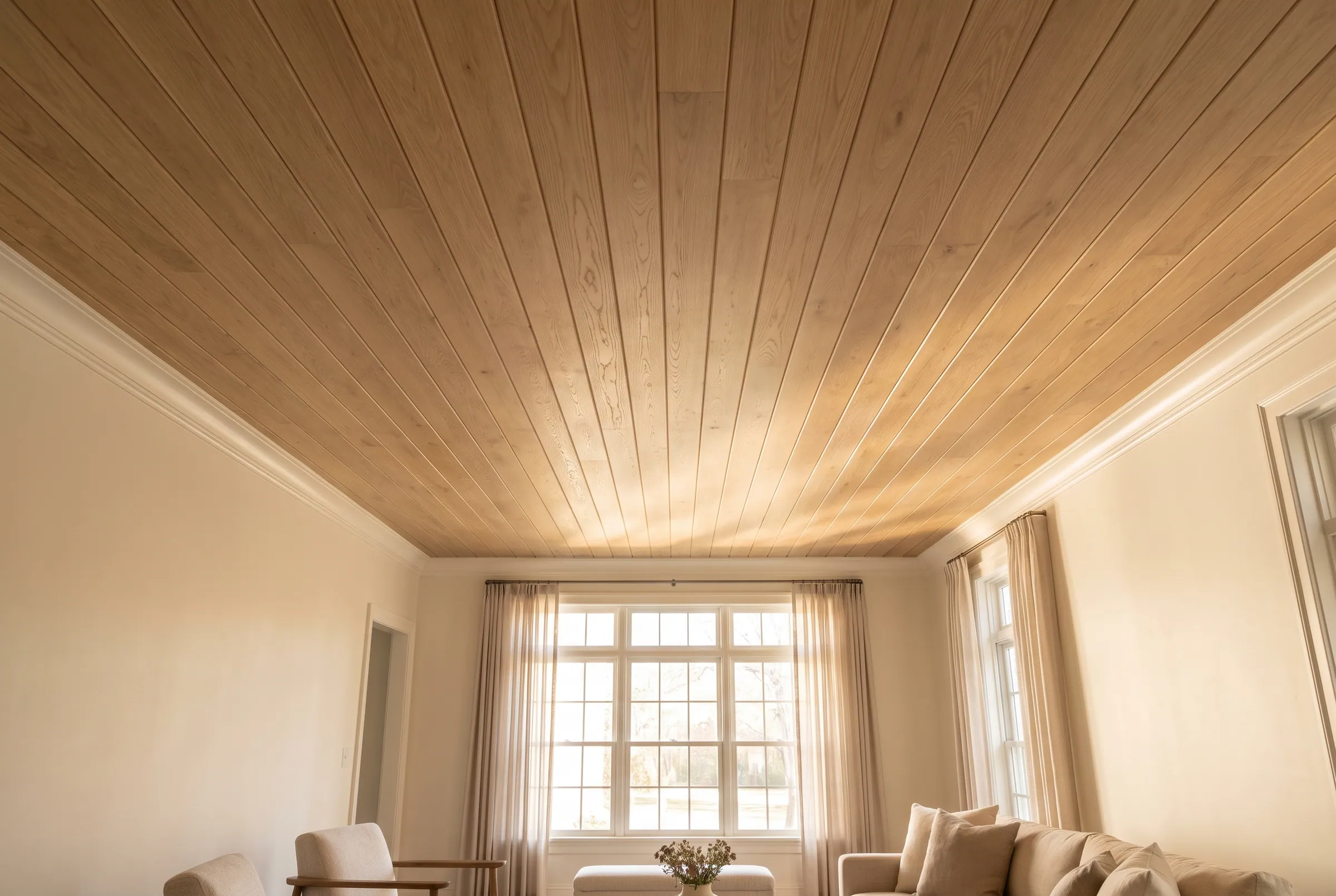
How do you install a tongue-and-groove ceiling?
Run the boards perpendicular to the joists, or add furring at 16 inches on centre if you need to run them the other way. Acclimate first. Start with the groove edge to the wall, blind-nail through the tongue shoulder at 45 degrees into every joist, and leave a 1/2 inch expansion gap at the perimeter for the trim to cover.
Read →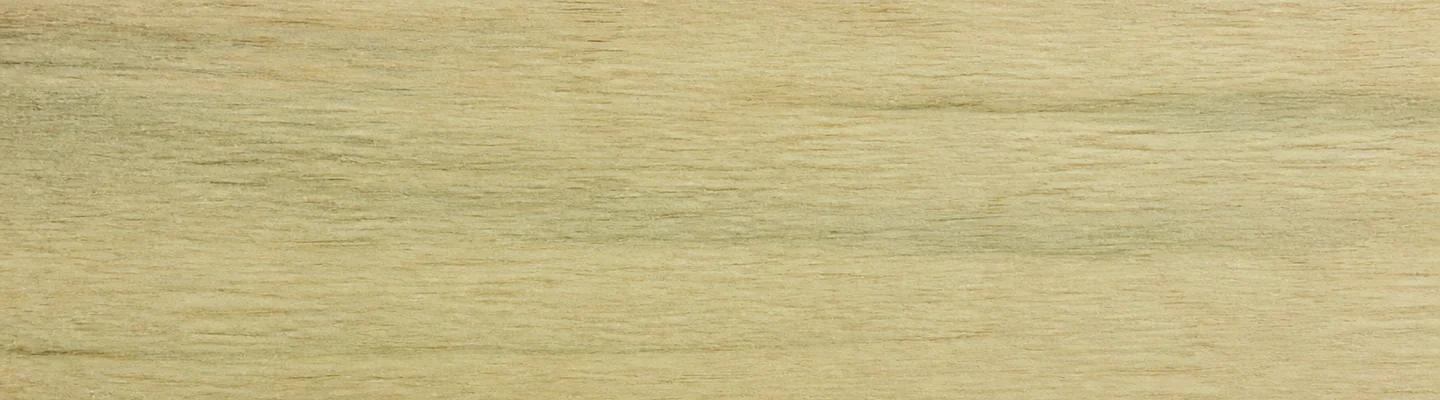
Paint-grade or stain-grade — how do I choose, and is poplar the right paint-grade wood?
Paint-grade stock is chosen for a flat, even surface that disappears under primer — grain, colour and small defects do not matter because nothing will show. Stain-grade stock is chosen for its face: colour, figure and grain continuity across a run. Poplar is the paint-grade default because it machines cleanly, holds a crisp profile edge and takes primer well.
Read →What is a window stool, and do I need an apron with it?
The stool is the interior sill — the horizontal board the side casings land on. The apron is the trim directly beneath it, closing the wall under the sill. The stool is rabbeted on its back edge to fit the sash, so it is matched to the window; the apron is usually the casing profile run upside down.
Read →What is brick mould, and when do I need it instead of casing?
Brick mould is exterior casing. It nails to the jamb of an exterior door or window and gives the brick, stucco or siding a clean edge to finish against. The standard face is 2 inches at about 1-1/4 inches thick, which is what pre-hung exterior units are built for — and what a replacement has to match once the masonry is laid.
Read →
Flooring
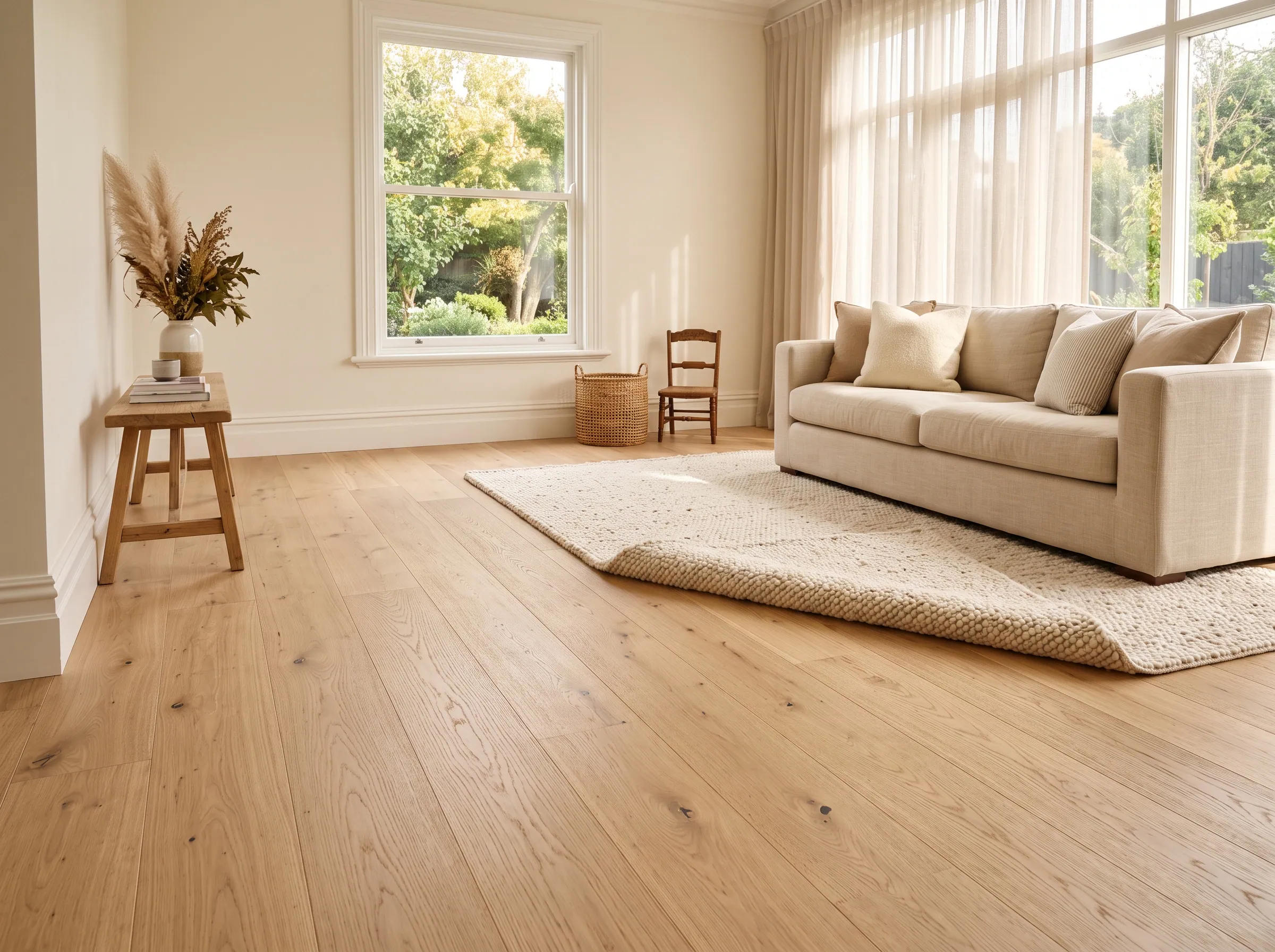
Hardwood, engineered, and SPC vinyl — chosen for Houston interiors.
Different types of flooring — which one is right for my project?
Six categories cover almost every floor decision in a Houston home: solid hardwood, engineered hardwood, SPC vinyl plank, LVT/LVP vinyl, laminate, and tile or natural stone. Solid hardwood is the longest-lived and most refinishable; engineered is more stable at wider widths; SPC and LVP are waterproof and budget-friendly; laminate is the cheapest wood-look; tile is the only true wet-room floor.
Read →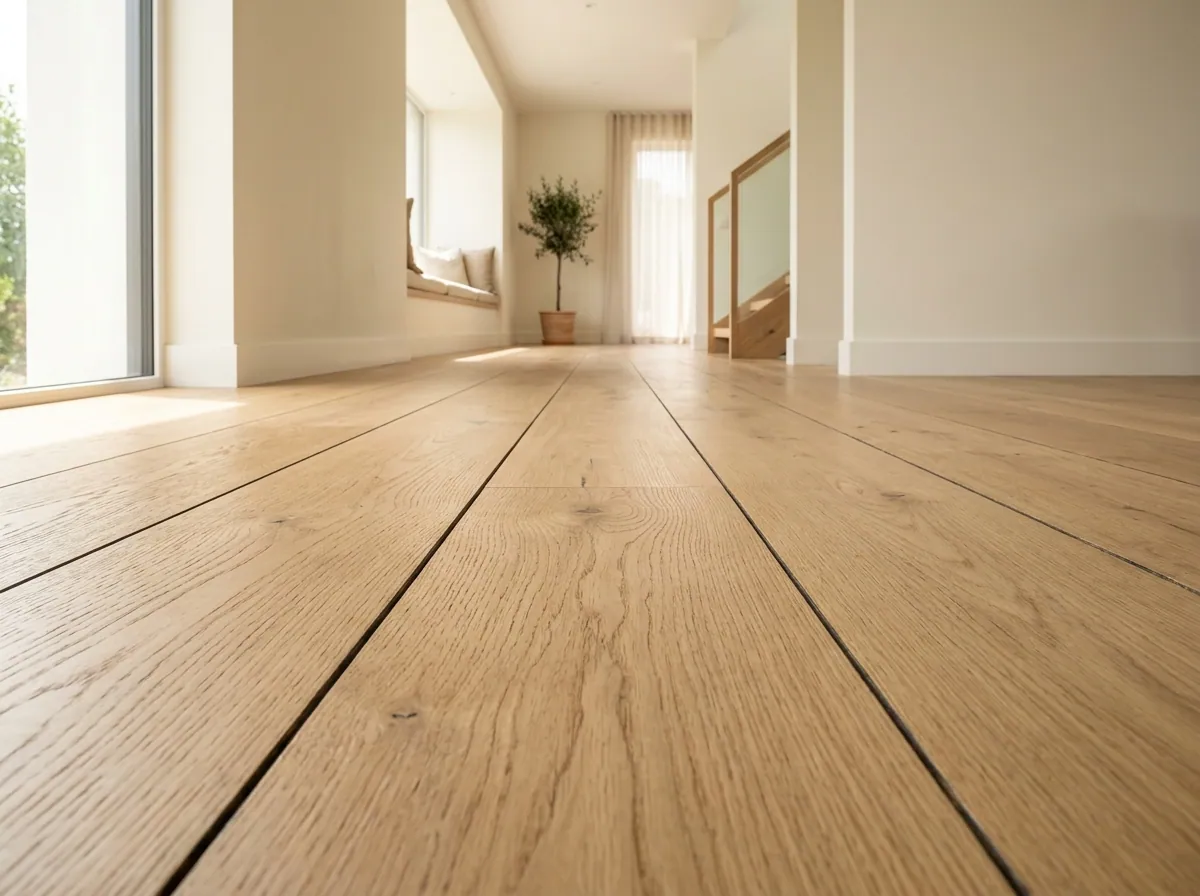
Wide plank vs. narrow plank hardwood — which one for my floor or counter?
Narrow plank (2-1/4″ to 4″) is the classic traditional hardwood look — easy to install, dimensionally stable, and the most affordable. Wide plank (5″ to 10″+) reads as modern, furniture-grade, and substantial — but costs more, moves more under humidity, and may need engineered construction at the widest sizes. Pick narrow for traditional homes and budgets; wide for modern, statement, and high-end projects.
Read →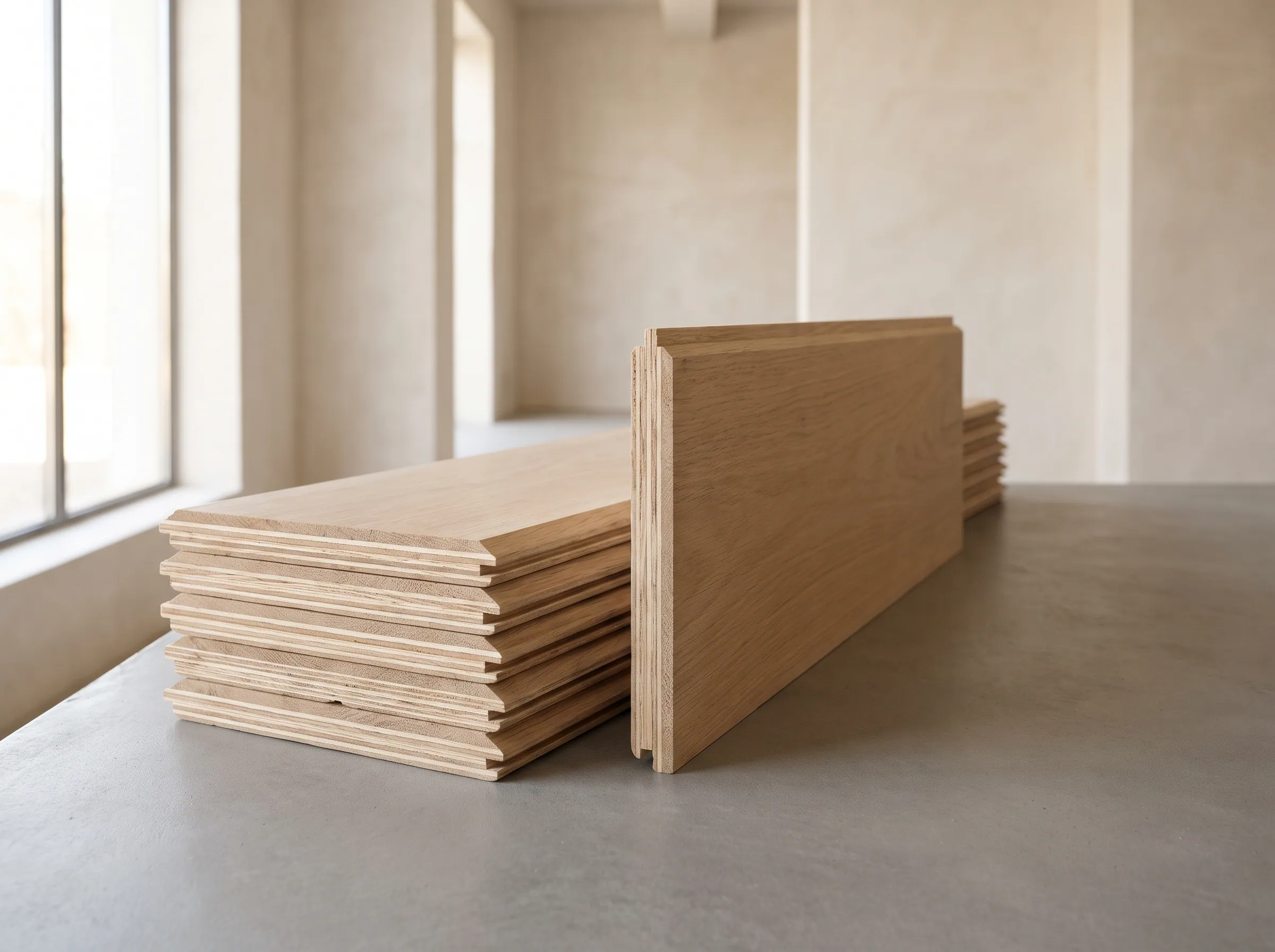
Solid hardwood vs. engineered hardwood floors — which one should I use?
Solid hardwood is one piece of wood, 3/4″ thick, refinishable 5+ times over 50+ years. Engineered hardwood is a real hardwood top layer (2 to 6 mm) bonded to a plywood core — more dimensionally stable, allows wider planks, but refinishable only 1 to 3 times. Pick solid for forever floors and narrower planks; engineered for wide planks, slab subfloors, and below-grade rooms.
Read →What is SPC flooring, and is it worth the price?
SPC (Stone Polymer Composite) is a rigid waterproof flooring built from stone powder and PVC, topped with a printed wear layer. It’s 100% waterproof, dent-resistant, click-lock installable over almost any substrate, and reads as wood or stone in finished form. SPC has become the fastest-growing whole-home flooring category in the last decade — for good reason in slab-on-grade Houston homes.
Read →SPC vs. waterproof laminate — what’s the difference and which one should I buy?
SPC has a rigid stone-polymer core that is genuinely waterproof — submerge it and it survives. Waterproof laminate has a high-density fiberboard core treated to resist surface water; standing water or a leak still destroys it. SPC wins on actual water performance, dent resistance, and lifespan. Waterproof laminate wins on price and on a slightly warmer look. For Houston wet rooms, pick SPC.
Read →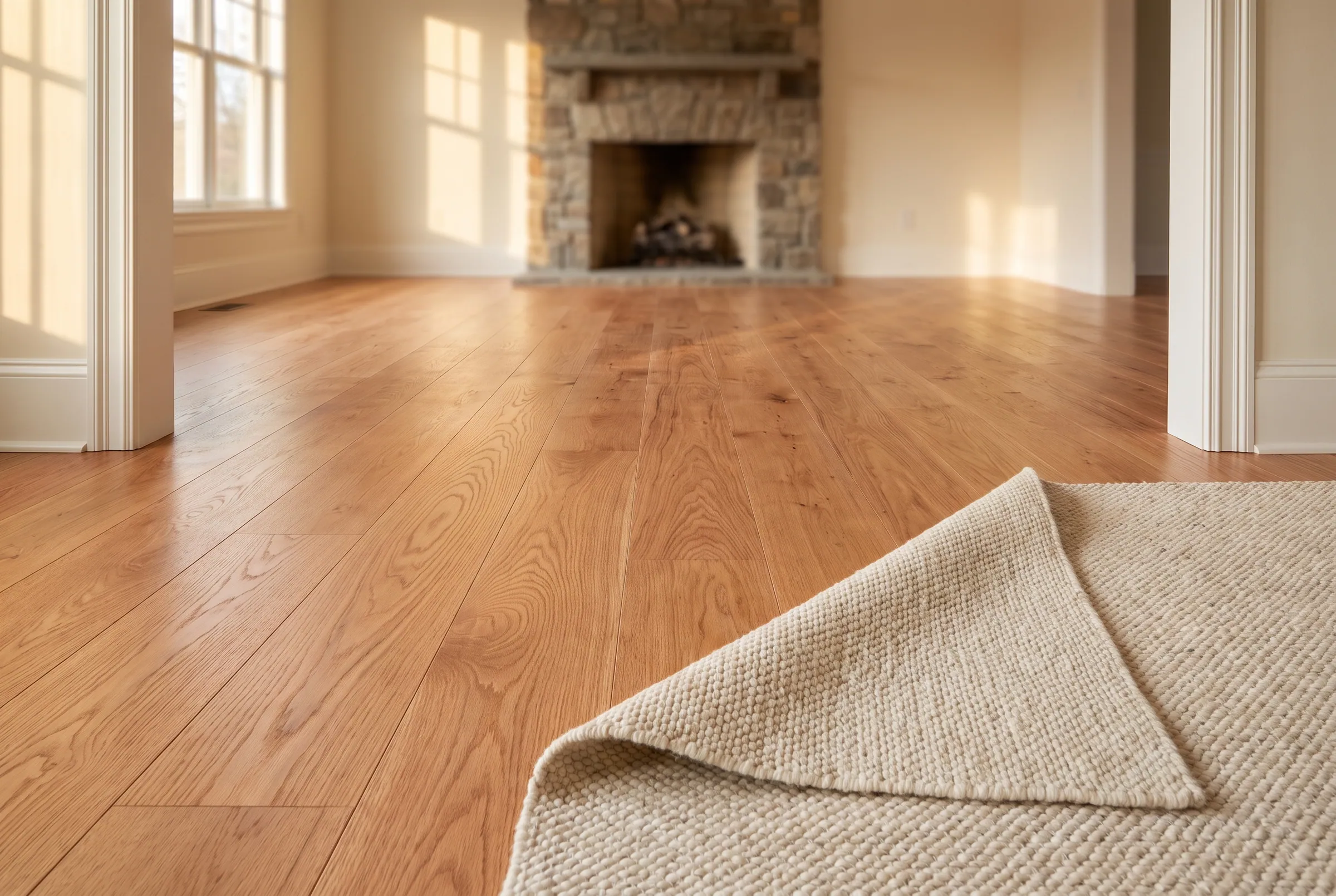
What’s the best flooring for a Houston home with pets and kids?
For Houston homes with pets and kids, SPC is the most defensible whole-home choice — waterproof, dent-resistant, scratch-resistant, and slab-compatible. Solid hardwood works in dry rooms if you choose harder species (hickory, brazilian cherry) and accept refinishing every 10 to 15 years. Avoid laminate (water risk), tile in living areas (cold and unforgiving on falls), and engineered hardwood in wet rooms.
Read →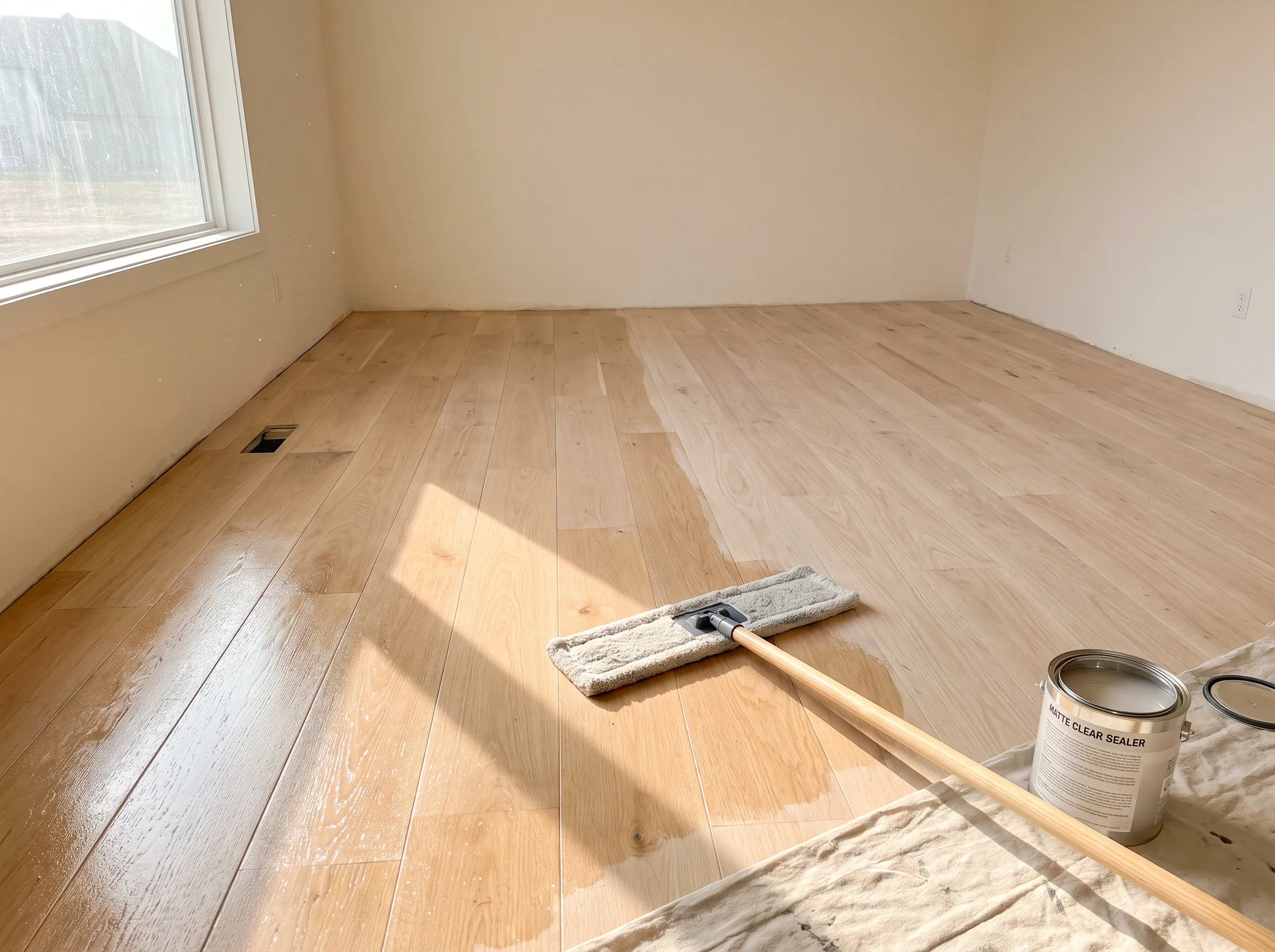
How do I choose the right finish for my hardwood floor?
Hardwood floor finish breaks into two families: polyurethane (film-forming, harder, more durable) and penetrating oils (natural look, easier to spot-repair). Within poly, water-based stays clear while oil-based ambers over time. Hard-wax oils (Rubio, Osmo) are popular for modern natural-look floors. Pick on look + maintenance preference; both families perform well when applied correctly.
Read →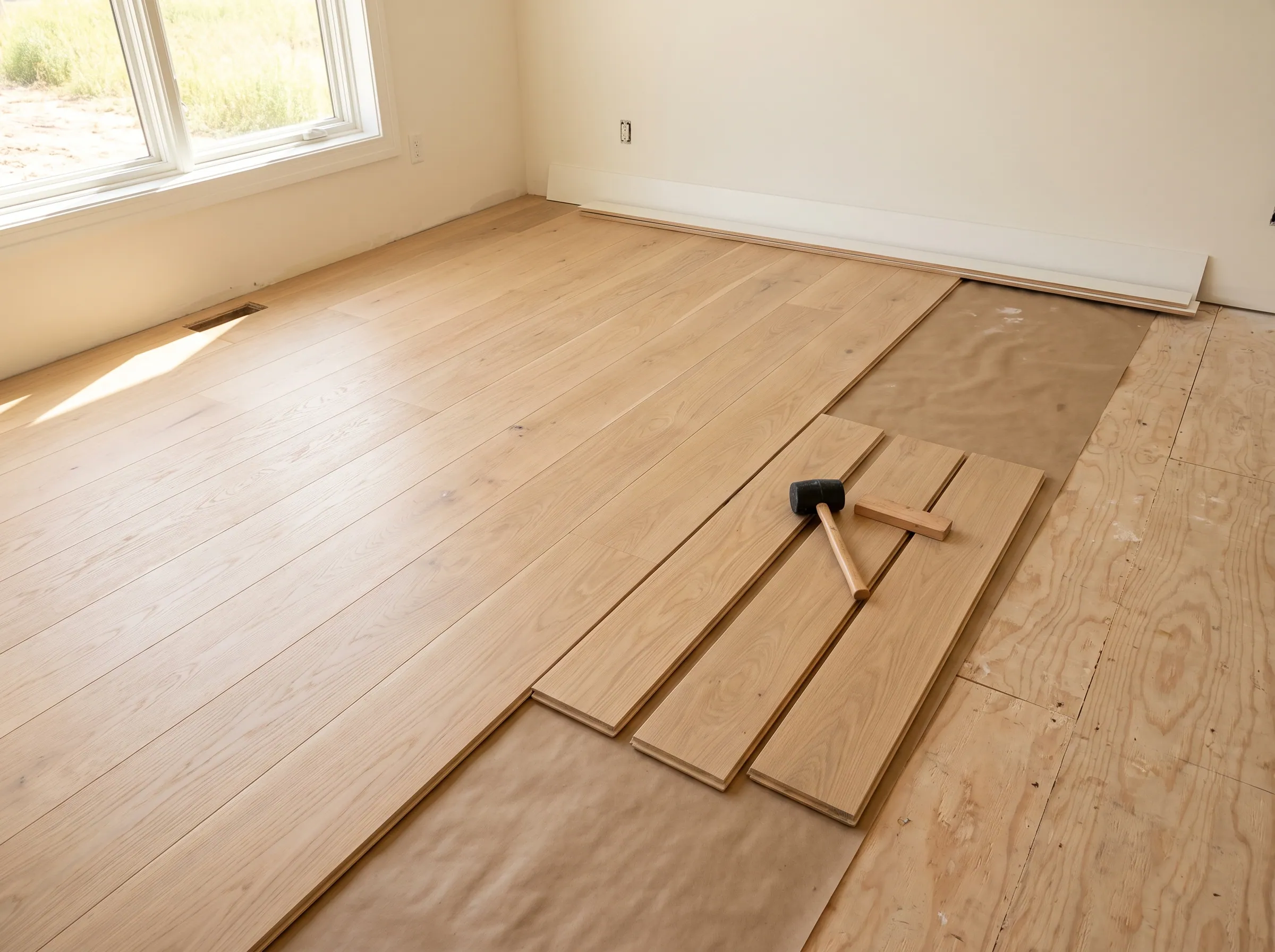
How do I install SPC flooring?
SPC installs as a click-lock floating floor over almost any substrate. The sequence: confirm the subfloor is flat (within 3/16″ over 10 feet), acclimate the planks 48 hours, lay an underlayment if needed, click planks together starting at the longest wall, leave a 1/4″ expansion gap at every wall and obstruction, finish with baseboard or quarter round. Most rooms install in a weekend.
Read →What wear layer thickness should I look for on engineered hardwood?
The wear layer is the thickness of real hardwood on top of an engineered plank. 2 mm wear layers can’t really be refinished — sand them and you hit plywood. 3 to 4 mm can be refinished once. 5 to 6 mm can be refinished 2 to 3 times. For a forever-floor engineered install, spec 5 mm minimum. For a 10-year hold, 2 to 3 mm is defensible. The cheap-engineered category is below 2 mm — avoid.
Read →Click-lock vs. glue-down flooring — which installation method should I choose?
Click-lock floats over the subfloor with no adhesive — fast to install, easy to remove for repair, but slightly hollow underfoot. Glue-down bonds the floor directly to the subfloor — feels more solid, transmits less sound, lasts longer, but is far harder to repair or replace and requires a perfect substrate. Pick click-lock for fast residential installs; glue-down for commercial and premium residential.
Read →How do I pair SPC floors with solid hardwood stair treads?
Pairing SPC floors with solid hardwood stair treads is the most-installed flooring scheme in Houston slab-on-grade homes. The two materials look fine together when the SPC is a convincing wood-look in the same general color family as the treads and the transitions at the top and bottom of the stair are planned carefully. Pick a wood-look SPC; match the treads to it, not the other way around; and use landing treads at the top of the stair to make the transition clean.
Read →How do I refinish hardwood floors?
Refinishing hardwood floors is one of the most rewarding renovations you can do — a worn floor comes back to new for a fraction of replacement cost. The process: sand off the old finish (drum sander + edger), vacuum and tack, stain if changing color, apply 2 to 3 coats of new polyurethane or hard-wax oil. DIY is possible but the sanding step is unforgiving — most homeowners hire a pro for the sand and DIY only the finish coats.
Read →How do I fix pet urine stains on hardwood floors?
Fresh pet urine stains usually lift with a clean-and-blot routine within hours. Black stains that have set into the wood respond to an oxalic acid (wood bleach) treatment, followed by sanding and refinishing. Stains that have penetrated past the finish into the wood fibers may require board replacement. The longer urine sits, the deeper it penetrates — speed matters more than any single technique.
Read →Can I use wood flooring over radiant heat?
Yes, wood flooring works over radiant heat — but with specific rules. Engineered hardwood is strongly preferred over solid; narrower planks (5″ or less) are safer than wide planks; quarter-sawn cuts move less than plain-sawn; floor temperature must stay under 80°F at the wood surface. Install with proper acclimation and a slow heat ramp-up. Solid hardwood is possible but requires careful species selection and width discipline.
Read →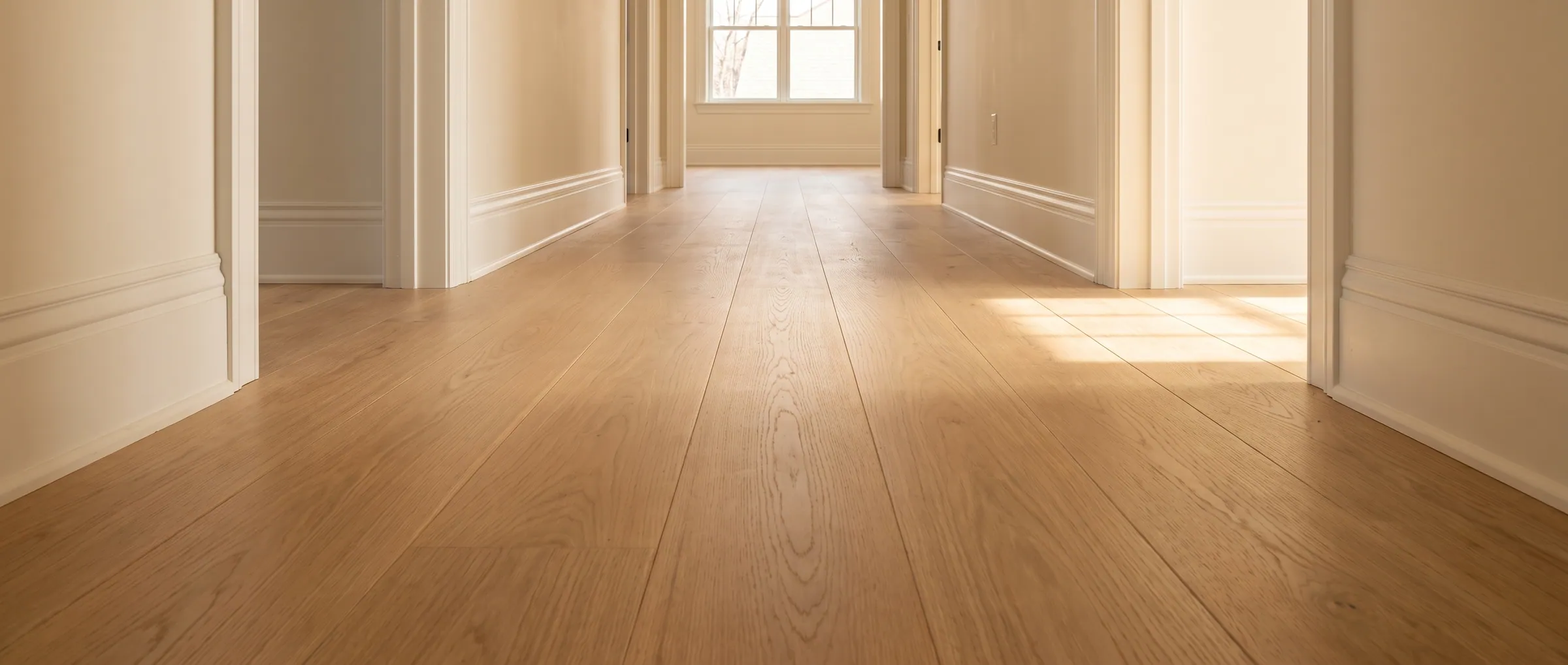
What’s the best flooring for aging in place?
For aging in place, prioritize flooring that minimizes fall risk, supports mobility aids smoothly, and stays easy to maintain. SPC with soft underlayment is the most defensible whole-home choice — flat, durable, easy to clean, waterproof. Hardwood works in dry rooms but needs careful threshold management to prevent tripping. Avoid: high-gloss finishes (slippery), thick area rugs (trip hazard), pronounced thresholds, and any flooring requiring frequent waxing or maintenance.
Read →T-moulding, reducer, threshold or saddle — which floor transition do I need?
Two floors at the same height that both float take a T-moulding. A thicker floor stepping down to a thinner one takes an overlap reducer. A floor ending at a doorway or a different material takes a threshold. Two fixed floors at the same height take a saddle. On an accessible route the drop, not the name, decides.
Read →
Custom & Trade
Lead times, trade accounts, and the questions builders ask.
What’s the lead time on custom stair treads?
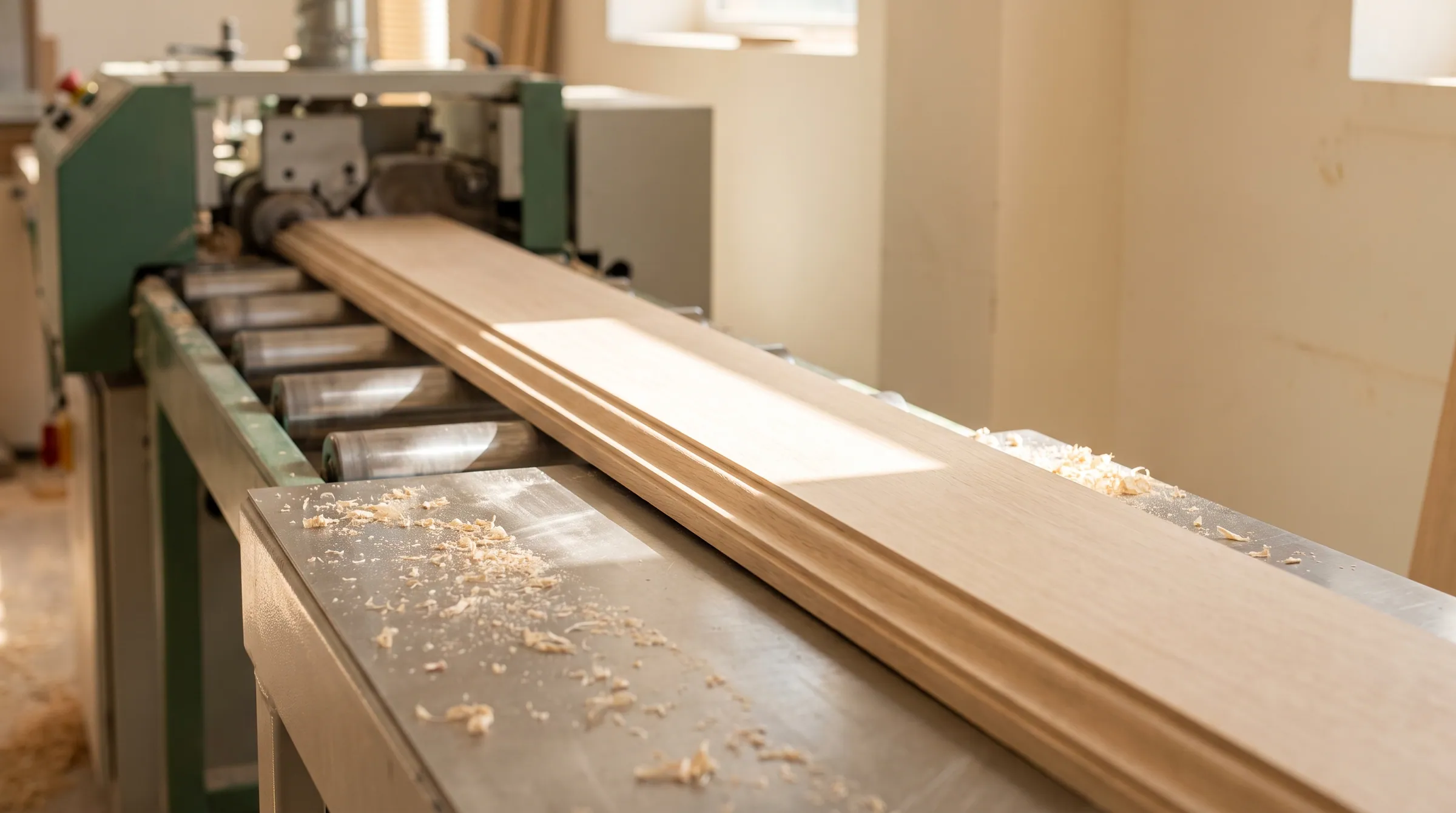
Custom stair-tread timing depends on approved geometry, material availability, quantity, finishing scope, and current shop capacity. UWP confirms the production schedule on the quote after those inputs are reviewed. Curved, winder, pie-shaped, and templated stairs require an additional geometry-review gate before fabrication.
Read →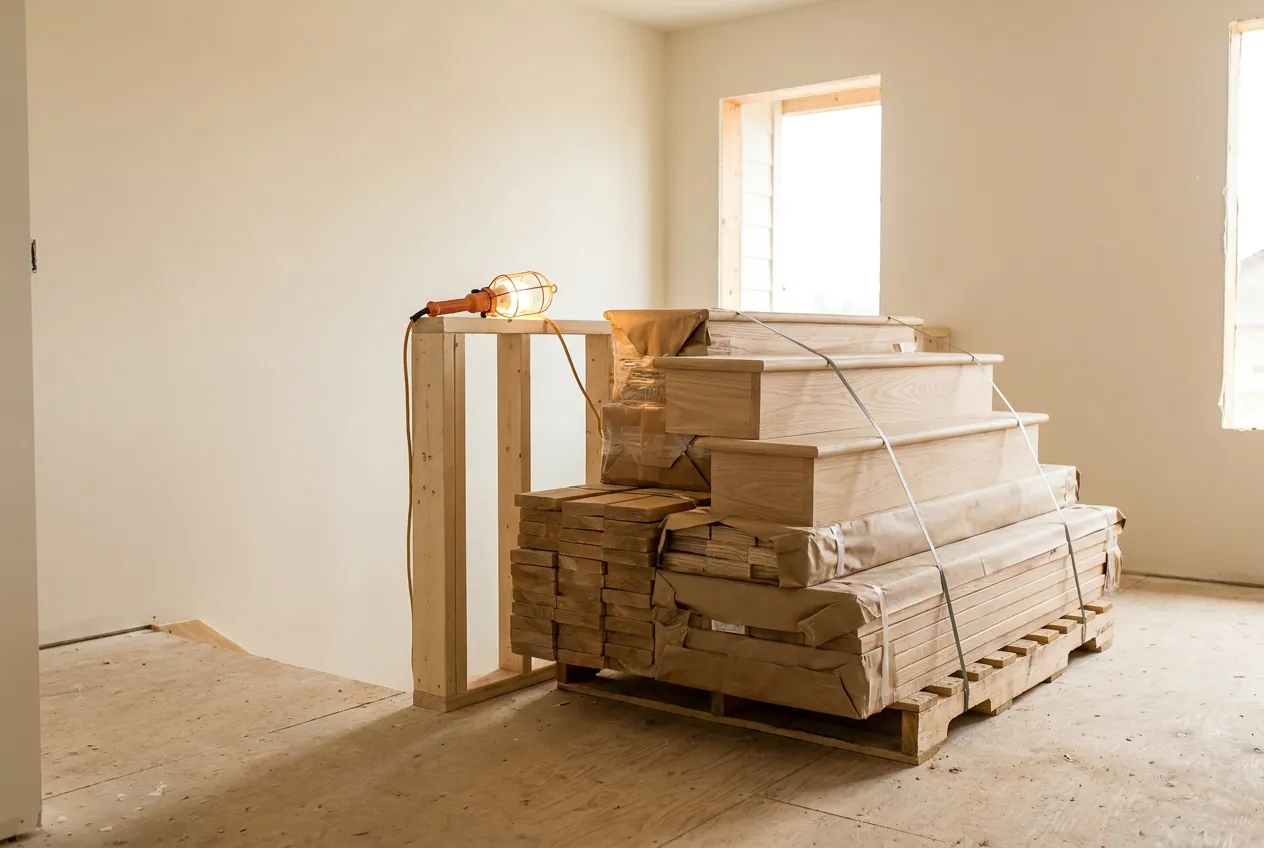
Do you offer contractor or trade pricing on mouldings?
Yes. UWP offers trade pricing to contractors, builders, remodelers, finish carpenters, and flooring stores. Open a cash account online for immediate trade pricing. Texas resale buyers should have a completed Form 01-339 ready. We mill all our own profiles, so trade buyers also get short-run flexibility — one stick to a full house, no minimums.
Read →Wide plank vs. edge-grain vs. end-grain wood countertops — which one for my kitchen?
Wide plank countertops show the broadest grain pattern and read most like a piece of furniture — best for islands and bars where the surface is the focal point. Edge-grain (butcher block) is the most cost-effective and stable construction. End-grain shows a dramatic checkerboard pattern, is the most knife-friendly, and runs the highest price. Pick on look first, function second.
Read →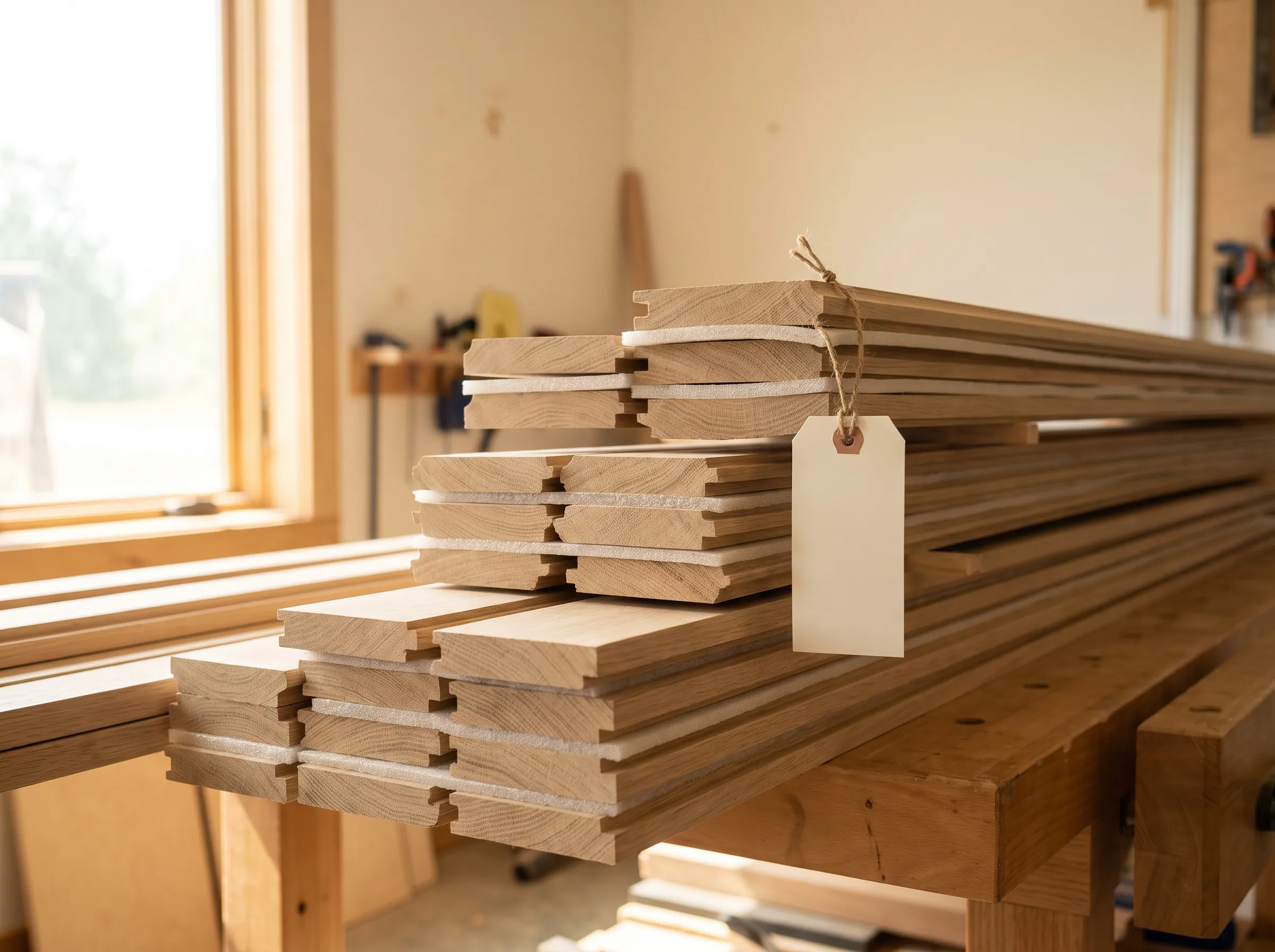
What wood species do you stock?
UWP maintains a focused core hardwood program for stain-grade work plus paint-grade material options. Stair-tread configurators currently price five core hardwoods; exact catalog SKUs, additional species, and current material availability are confirmed at quote.
Read →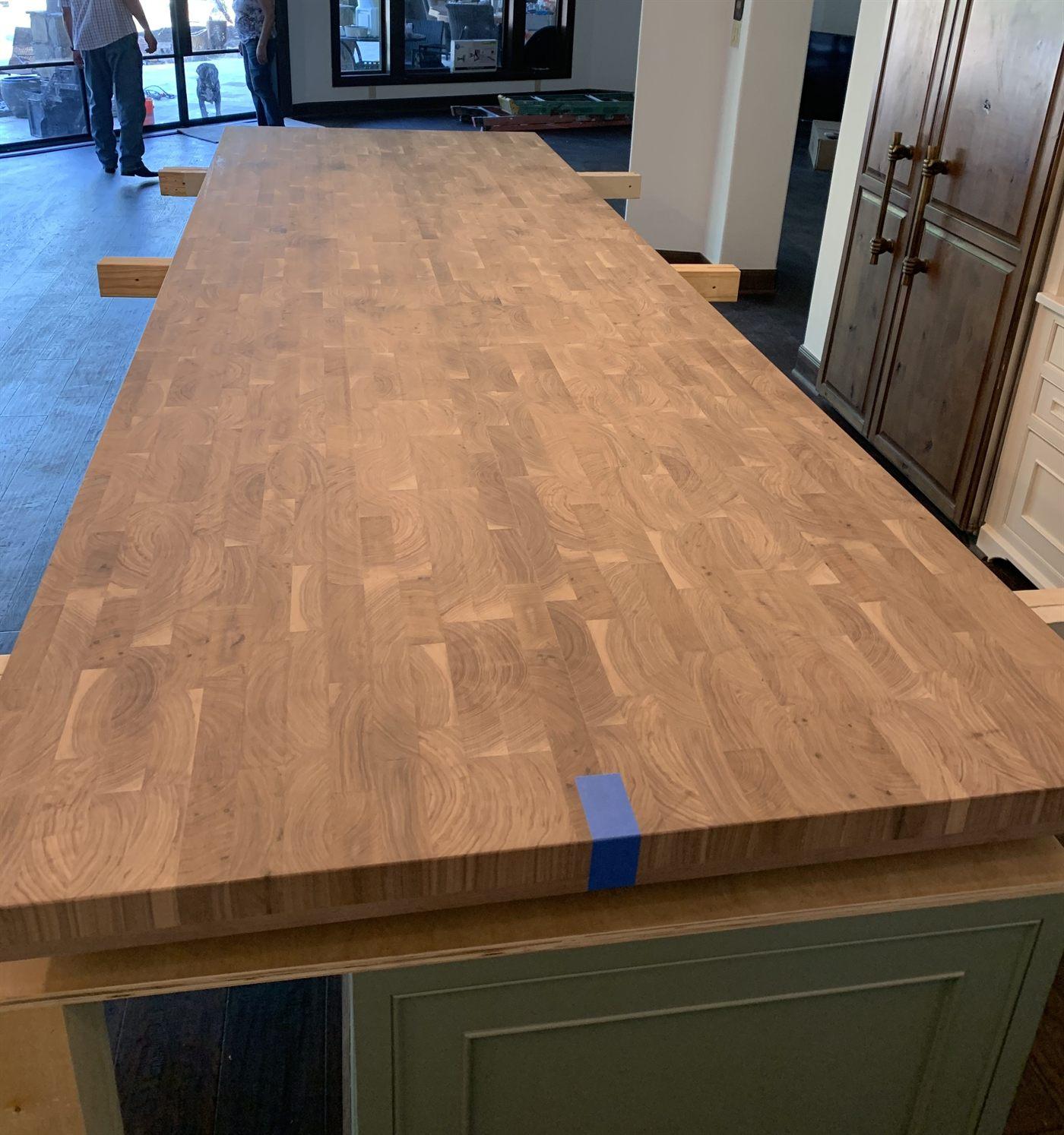
How do I maintain a wood countertop?
A wood countertop needs food-safe oil once a month for the first six months, then every few months. Wipe spills promptly, never leave standing water, use cutting boards on edge-grain and wide-plank tops, and re-oil if the surface looks dry. Light sand and re-oil every few years brings any countertop back to new. Done correctly, a wood top lasts decades.
Read →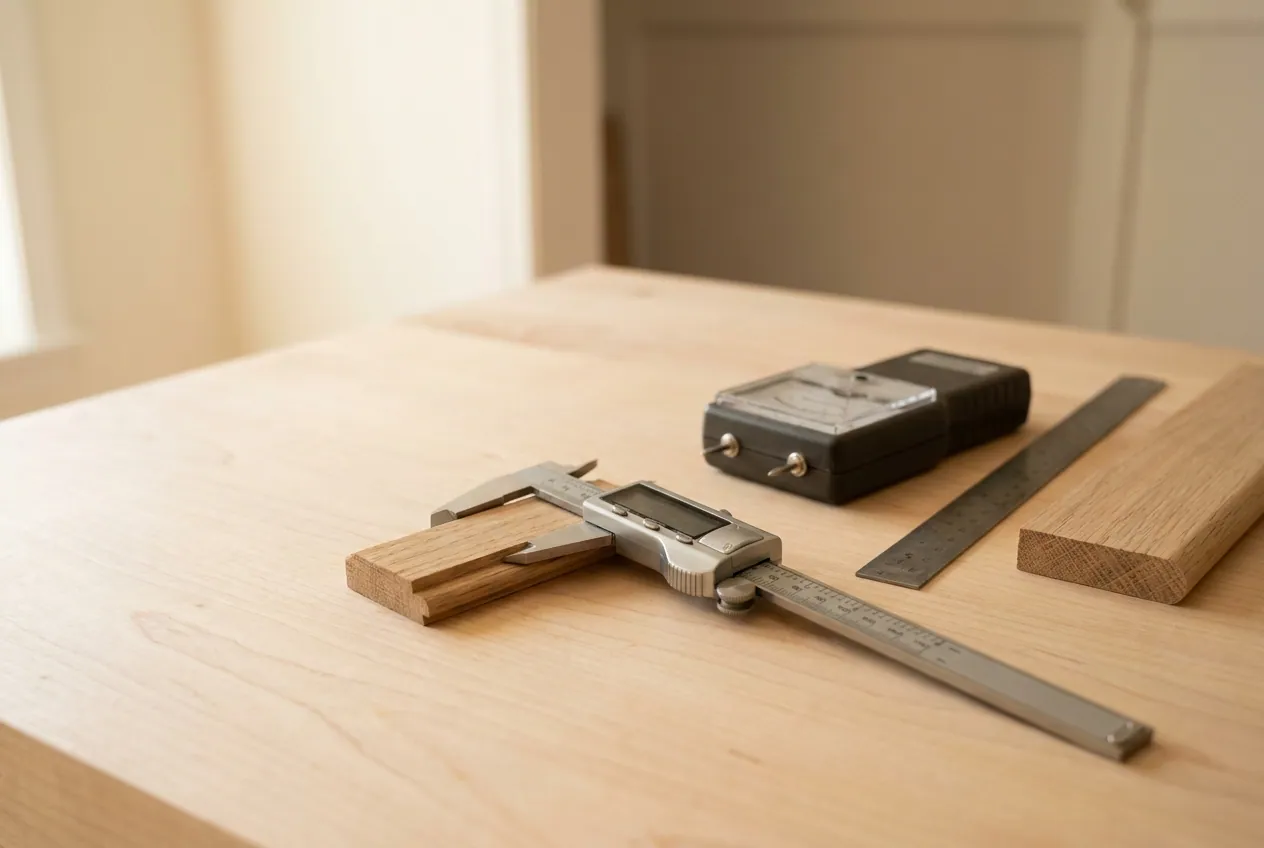
How do I acclimate hardwood before installing it?
Acclimate hardwood by stacking the material in the install space — not the garage, not the porch — for 5 to 7 days before installation. The room must be HVAC-conditioned at typical living temperature and humidity. The wood reaches equilibrium moisture content with the room and will not move significantly after install. Skipping this step is the #1 cause of post-install gaps, cupping, and squeaks.
Read →Polyurethane vs. oil finish on hardwood — which one should I use?
Polyurethane is a film-forming finish — it sits on top of the wood, harder and more abrasion-resistant, but harder to repair locally. Oil finishes (Rubio Monocoat, Osmo, tung oil) penetrate into the wood, look more natural, and are easier to spot-repair — but provide less surface protection. Pick polyurethane for stairs and high-traffic floors; oil for countertops, lower-traffic floors, and natural-look projects.
Read →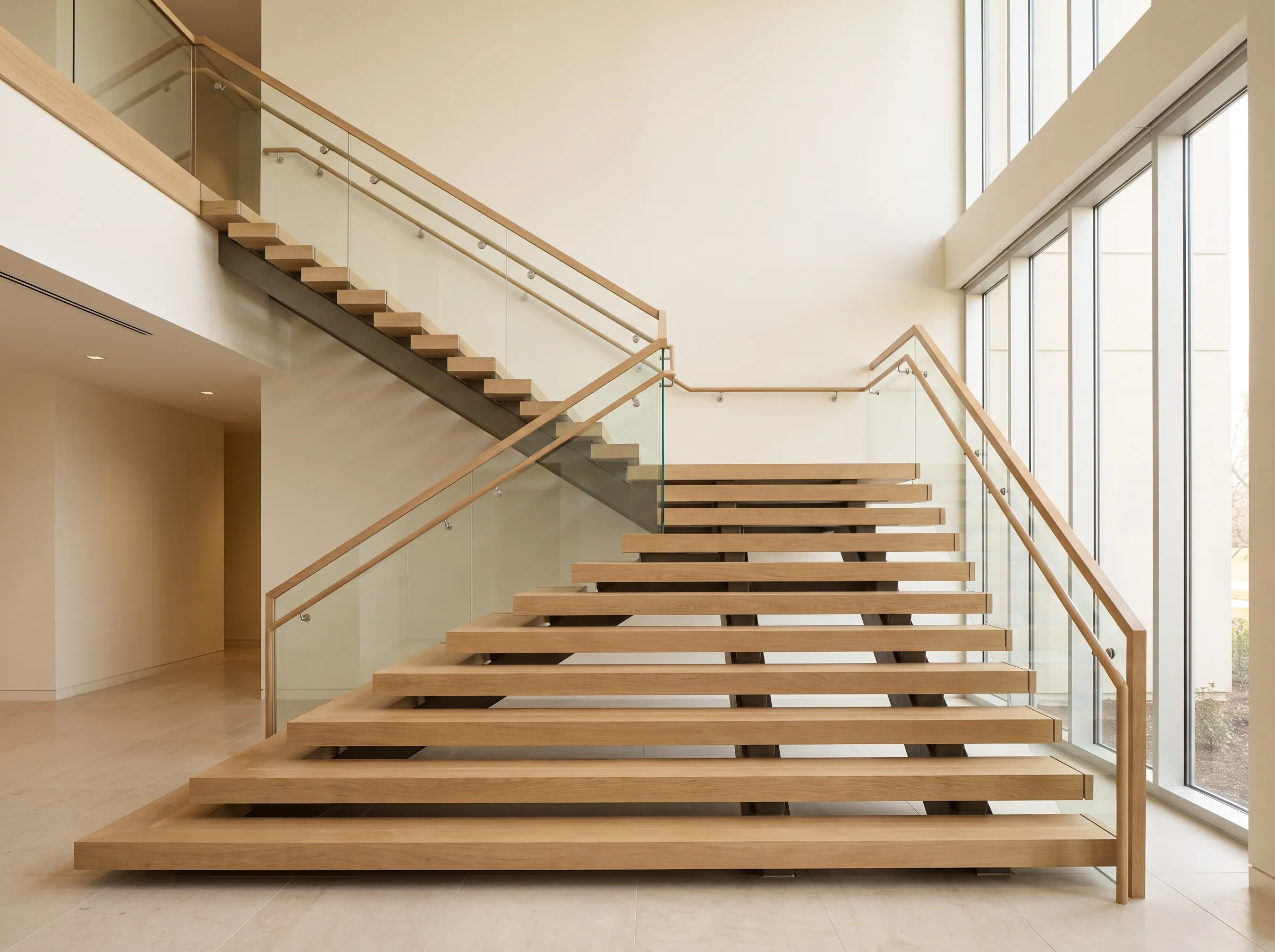
Are there commercial or fire-rated stair tread requirements I should know about?
Commercial stair treads in buildings governed by the IBC must meet fire-rating requirements (usually Class A or Class B flame spread), slip-resistance standards, and ADA dimensional rules. Solid hardwood treads can meet most of these requirements with appropriate finish and detailing. Egress stairs in larger commercial buildings often require specific tested assemblies — verify with the project architect or fire marshal before specifying.
Read →What is S4S lumber? How is it different from S3S and rough-sawn?
S4S means surfaced four sides — both faces planed and both edges ripped straight and square, ready to use. S3S is surfaced three sides: both faces and one edge, with the second edge left rough so you can rip it to your own width. Rough-sawn is unsurfaced, sold by its full rough dimension, and needs a planer and a jointer before it is useful.
Read →Why is a 1×6 not actually six inches wide?
Nominal size is the rough dimension before surfacing; actual size is what you get after the planer. A 1×6 leaves the mill rough at roughly one inch by six and arrives S4S at 3/4 inch by 5-1/2 inch. Hardwood adds a second system: quarters, where 4/4 is one inch rough and 8/4 is two inches rough.
Read →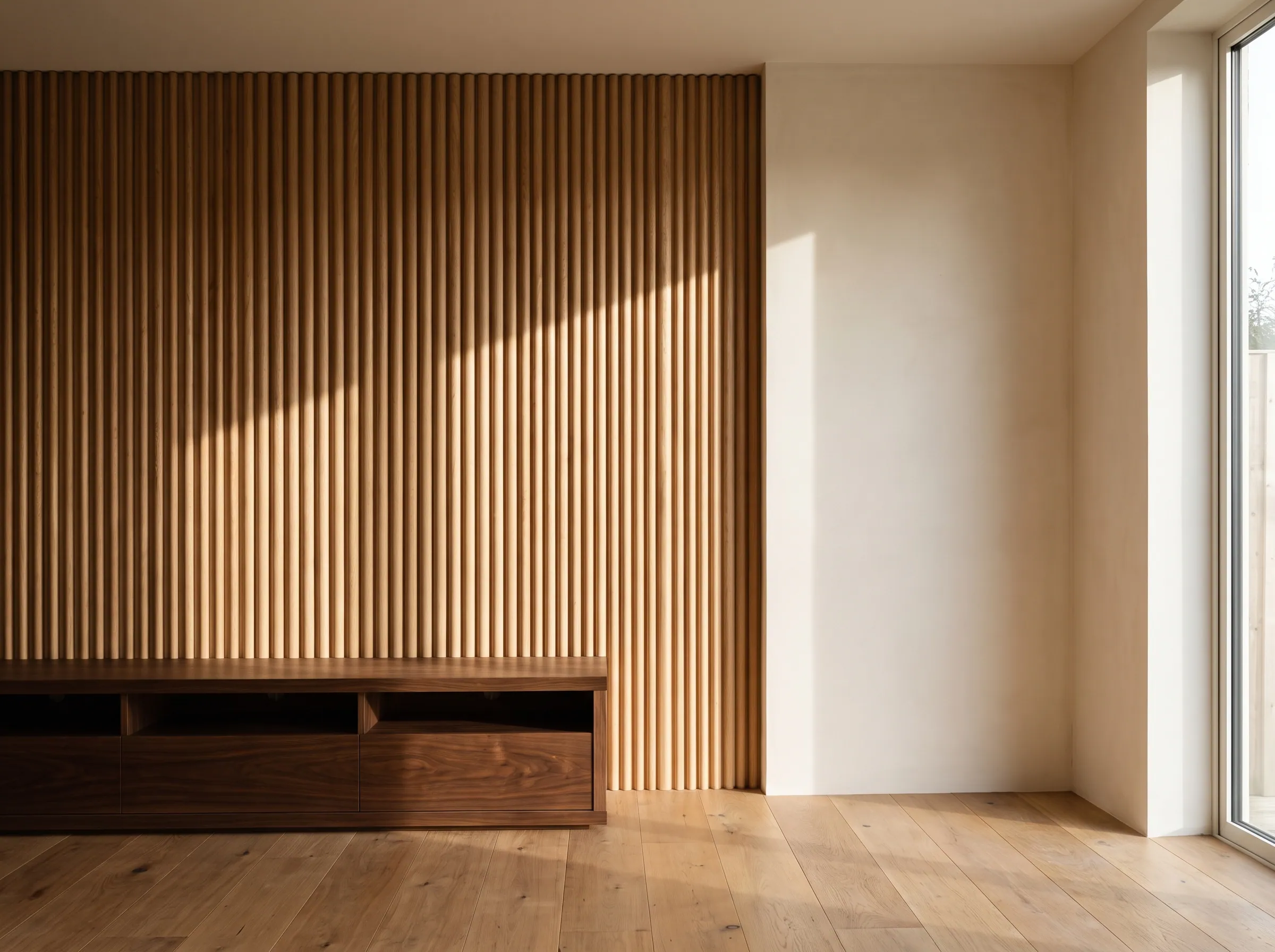
Is a solid-wood slat wall worth it over the MDF veneer panels everyone sells?
Most slat-wall panels sold today are a thin veneer or a printed film wrapped over an MDF core, cut to a fixed import size. They look right on day one. Solid hardwood costs more and needs a mill, but it can be cut to the room, sanded, refinished, and matched to the stairs and trim already in the house.
Read →What slat width and gap should I use on a wood slat wall?
Most slat walls read well with a slat face between three quarters of an inch and an inch and a half, and a gap narrower than the slat. The backer colour matters as much as the spacing: painted dark or felted, the gap reads as shadow. Left light, it reads as a stripe and the wall looks like fencing.
Read →How thick should a wood countertop be, and how far can it overhang?
One and a half inches is the default because standard base cabinets are 34-1/2 inches tall and a 36-inch finished counter needs exactly that. Go thicker for islands, bars and anything meant to read as a slab. Overhang up to about 12 inches unsupported; past that, add brackets, corbels or a steel plate before anyone leans on it.
Read →Can you put a sink in a wood countertop, and how do the seams work?
Yes, but the cutout is the weak point and how you detail it decides whether the top lasts. A drop-in sink with a rim covering the cut edge is far safer than an undermount, which leaves raw end grain exposed to standing water. Radius the cutout corners, seal every cut face including the underside, and keep cutouts away from the ends.
Read →Hollow core vs. solid core interior doors — what’s the real difference?
A hollow-core door is two face skins over a perimeter frame with a honeycomb or lattice inside. A solid-core door has the same skins over a solid engineered core. The core changes three things: weight, sound, and how the door feels when you close it. It does not change how the door looks.
Read →How do I work out door handing — left hand or right hand?
Stand on the side where the door swings away from you. If the hinges are on your left, it is left hand. If they are on your right, it is right hand. If you can only stand on the side the door swings toward you, add "reverse" — left hand reverse or right hand reverse. That single rule covers every interior door.
Read →Prehung or slab — which interior door should I order?
A prehung door arrives hinged in its own jamb with the lock bore already cut, and it installs into a rough opening. A slab is the door alone, for reusing a jamb that is staying. Prehung is faster and more reliable on new work or where the casing is being replaced. Slab is right when the existing jamb and casing are sound.
Read →What does "milled to order" actually mean, and what does the mill need from me?
Milled to order means the material is run for your job rather than pulled from a shelf. A knife is ground or selected to the profile, stock is surfaced to your dimension in your species, and the run is cut to your footage. It buys exact profiles, non-standard sizes and species that nobody stocks, and it costs scheduling rather than money alone.
Read →
Houston / Local
Where to find us, what we stock, will-call and delivery.
Where can I buy unfinished hardwood stair treads in Houston?
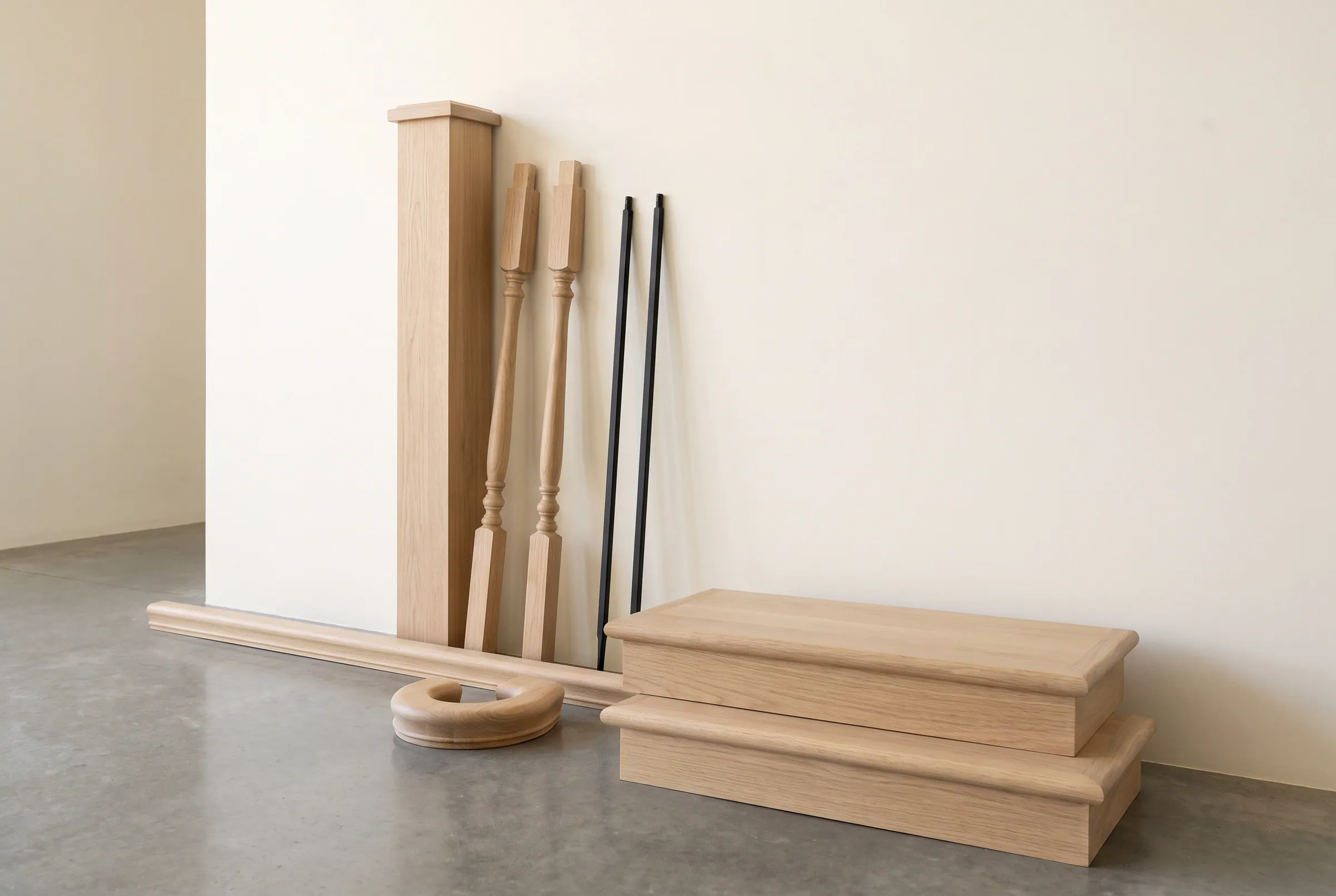
Unfinished hardwood stair treads in Houston are available direct from the mill at Unique Wood Products. The 8070 bullnose and 8072 square-edge programs include red oak and white oak in widths from 42″ to 60″. Current material availability, will-call timing, delivery, and custom production schedules are confirmed on the written quote.
Read →Where can I buy hardwood mouldings in Houston?
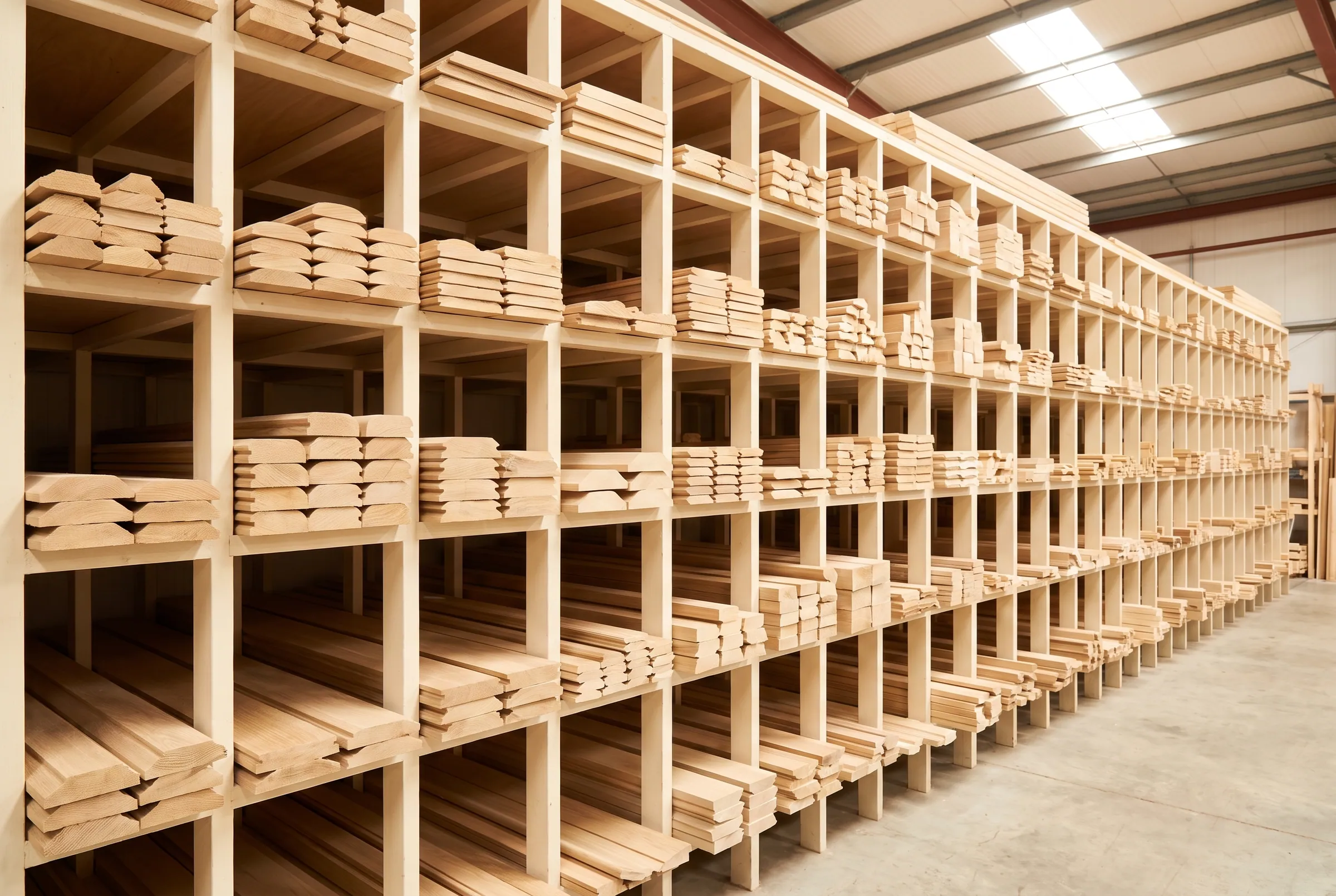
Hardwood mouldings in Houston are available direct from the mill at Unique Wood Products. Our core catalog includes 25 baseboard profiles across four width bands, plus matching casing, base shoe, and quarter round in multiple species. Current availability, will-call, delivery, and custom knife timing are confirmed by quote.
Read →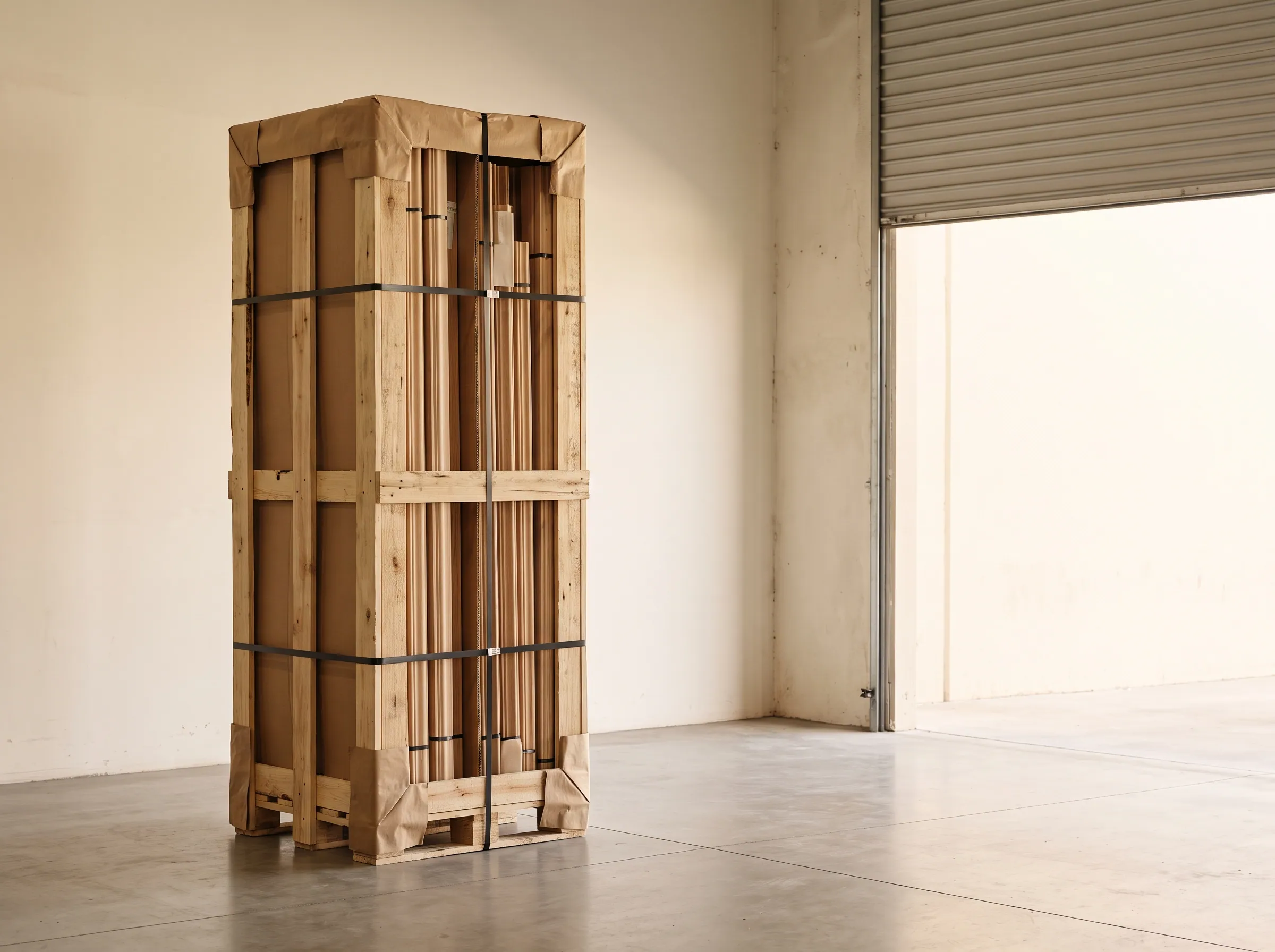
Do you deliver outside the Houston metro?
UWP delivers across the Houston metro from the one mill at 9915 Tanner Rd in NW Houston, scheduled on the written quote for the exact order. Outside the metro, material is will-call at the Tanner Rd counter: call ahead, and the orders desk stages the order to the quote before you drive in.
Read →Does Houston humidity damage hardwood floors and stair treads?
Houston outdoor humidity is high year-round, but conditioned indoor humidity stays in a normal range (30%–55% RH) — the same as most US homes. Hardwood floors, stair treads, and mouldings installed in conditioned Houston interiors perform as well as anywhere else in the country. The risk isn’t the climate; it’s installing wood in an unconditioned space or skipping acclimation.
Read →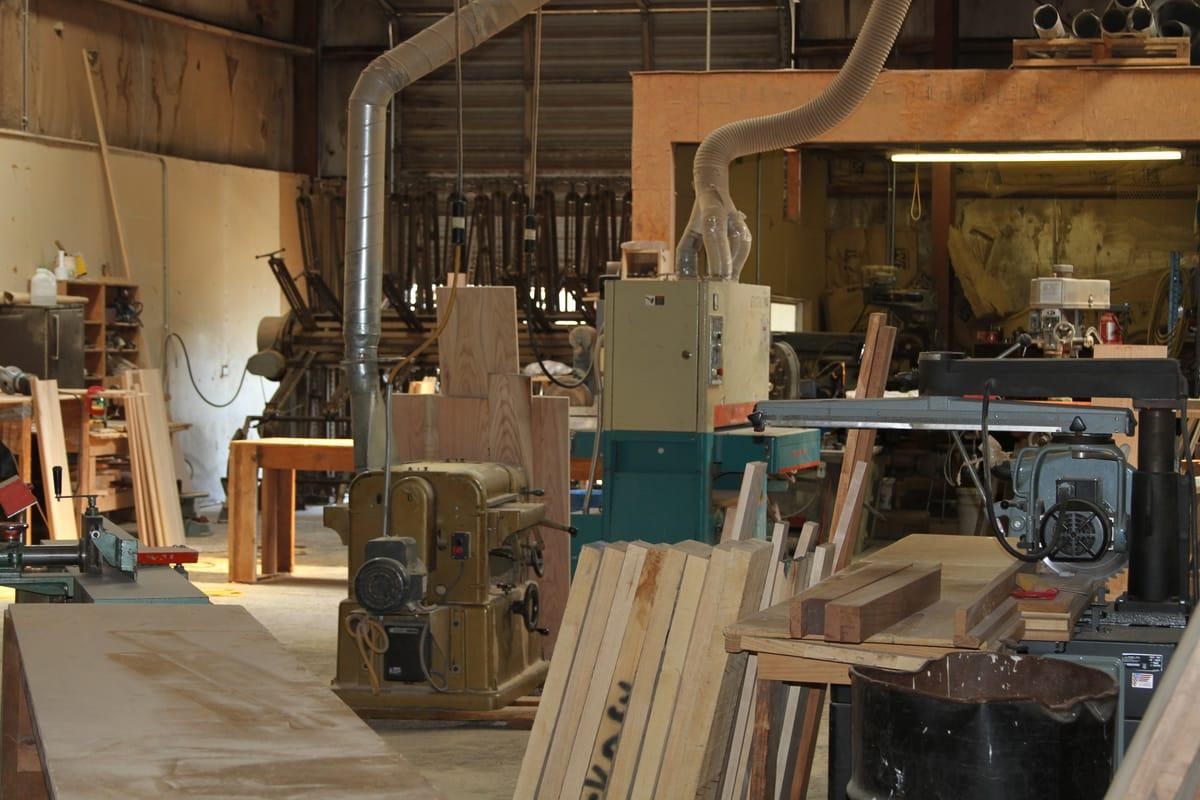
Why buy from a mill instead of a big-box store?
A big-box store stocks one or two species of stair tread, a handful of generic moulding profiles, and almost no custom capability. A real mill carries six species, mills custom profiles to match existing trim, runs short orders without minimums, and has people on the phone who actually know the material. The cost difference is usually less than people expect; the expertise gap is enormous.
Read →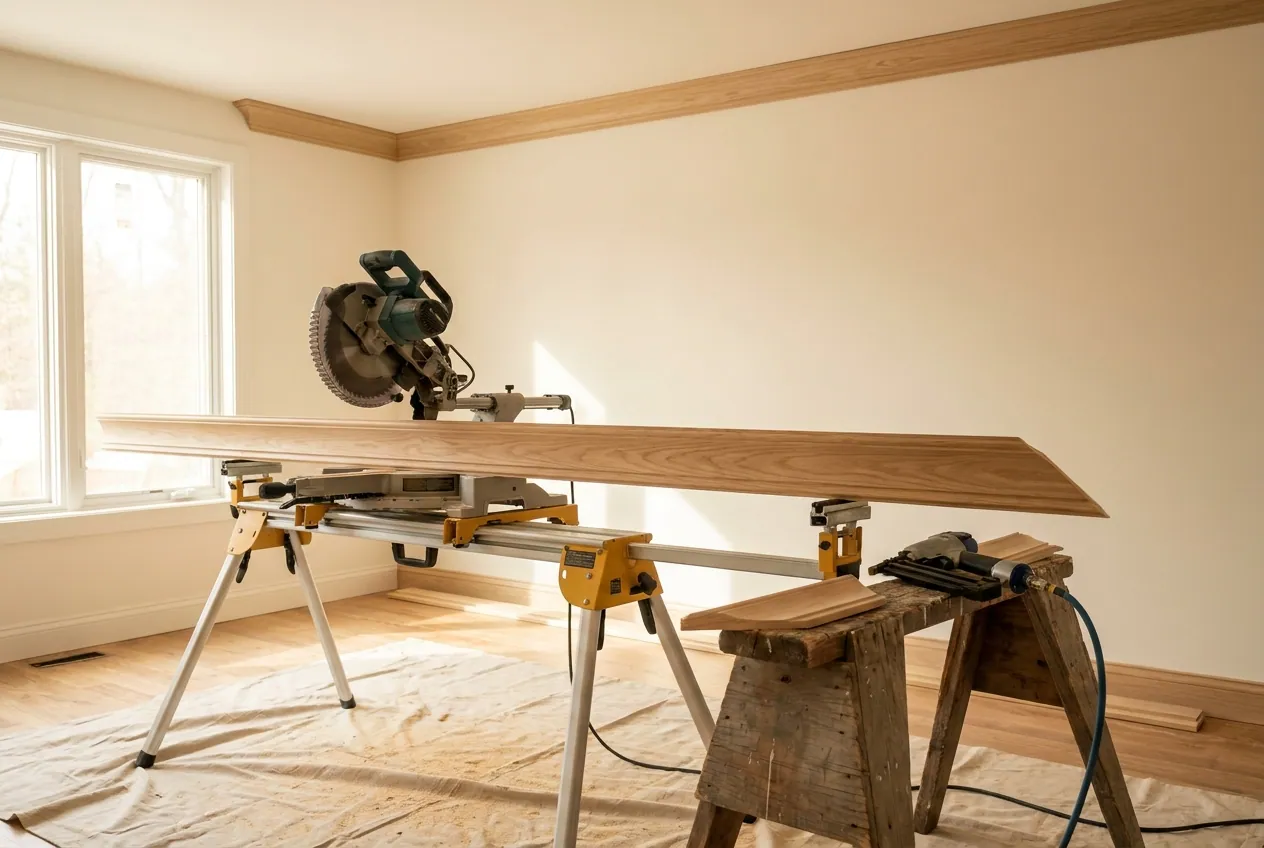
How do I find a stair installer in Houston?
Find a Houston stair installer by asking your hardwood supplier for referrals, checking specific experience with the product family you’re installing (retro-fit, full-build, curved), and confirming licensing, insurance, and finished references. Avoid installers who don’t mention acclimation, can’t explain the skirt-board math, or quote without seeing the stair in person. Ask for 3 finished-stair references in the species and product you’re installing.
Read →What is the White Oak 20/20 policy, and why does it apply to my order?
White Oak 20/20 is UWP’s allocation policy in response to ongoing global white oak supply pressure. Every white oak order includes 20% short lengths (6 to 8 feet) by default — or you can opt for 100% long lengths at a 20% price premium. The policy keeps allocation fair across the trade and makes the supply math transparent before you order. The 20/20 Calculator on our site shows what your order looks like under the policy.
Read →What are UWP’s will-call hours, and how do I find the Tanner Rd mill?
Unique Wood Products has one location: 9915 Tanner Rd, Houston, TX 77041, in NW Houston. Will-call runs Monday through Friday 7:30 AM to 4:30 PM and Saturday 8:00 AM to noon; closed Sunday. Call (713) 462-5045 before you drive out so the orders desk can confirm the material is pulled, and bring the order number or the quote so the counter finds it in one look.
Read →Do you deliver to jobsites in Katy, Cypress, Spring, and The Woodlands?
Yes. Local delivery from the Tanner Rd mill in NW Houston covers the Houston metro — Katy, Cypress, Spring, The Woodlands, Tomball, Sugar Land, Pearland, League City and the communities between. Delivery is scheduled on the written quote for the exact order, and will-call at the Tanner Rd counter is always an option. Send the jobsite address with the order spec and the desk quotes the run with the material.
Read →
Don’t see your question?
Email it to the team. If it’s one we hear more than once on the phone, we’ll write the answer here next — usually within a few weeks.
Send us a question →“The questions on this page are the ones we hear on the phone every week.”