

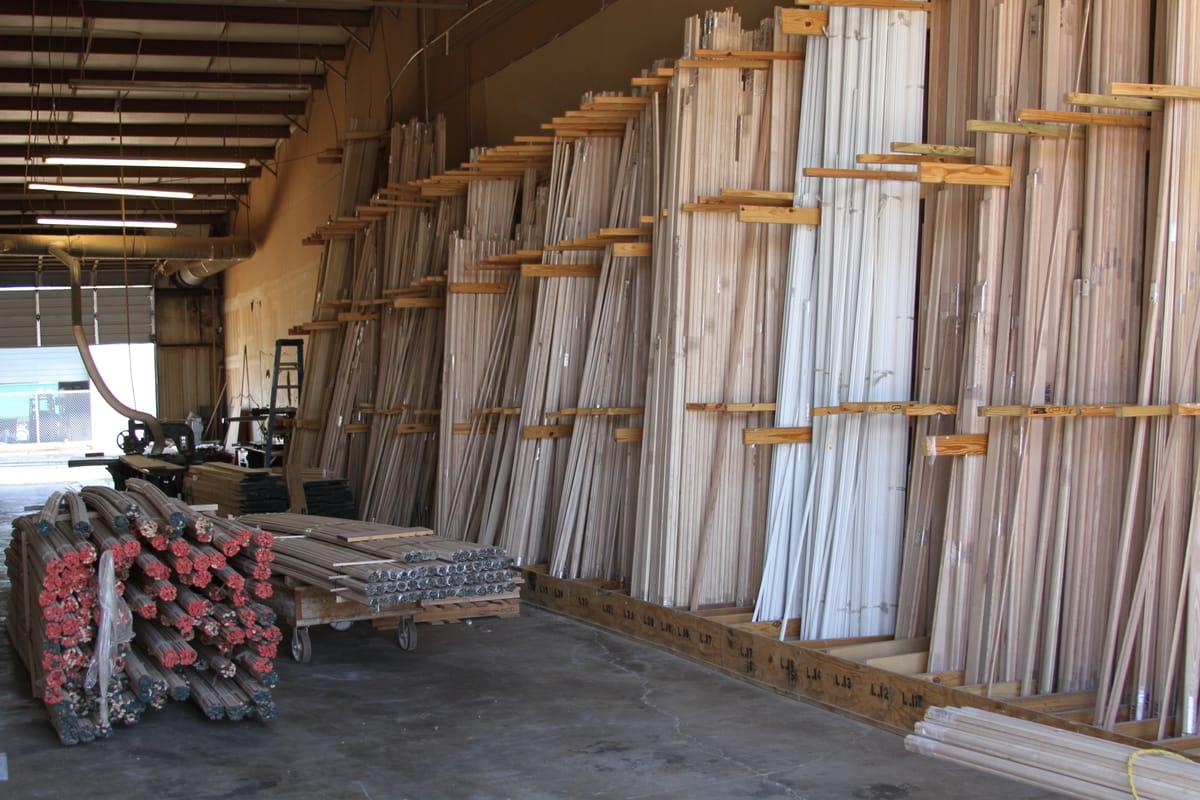
Stock on hand
Real lumber availability drives the final recommendation.
Material reference · 17 species
Compare the woods UWP mills by tone, grain, field hardness, and relative material cost. If suitable lumber can be sourced, our team can mill it to your profile and run.
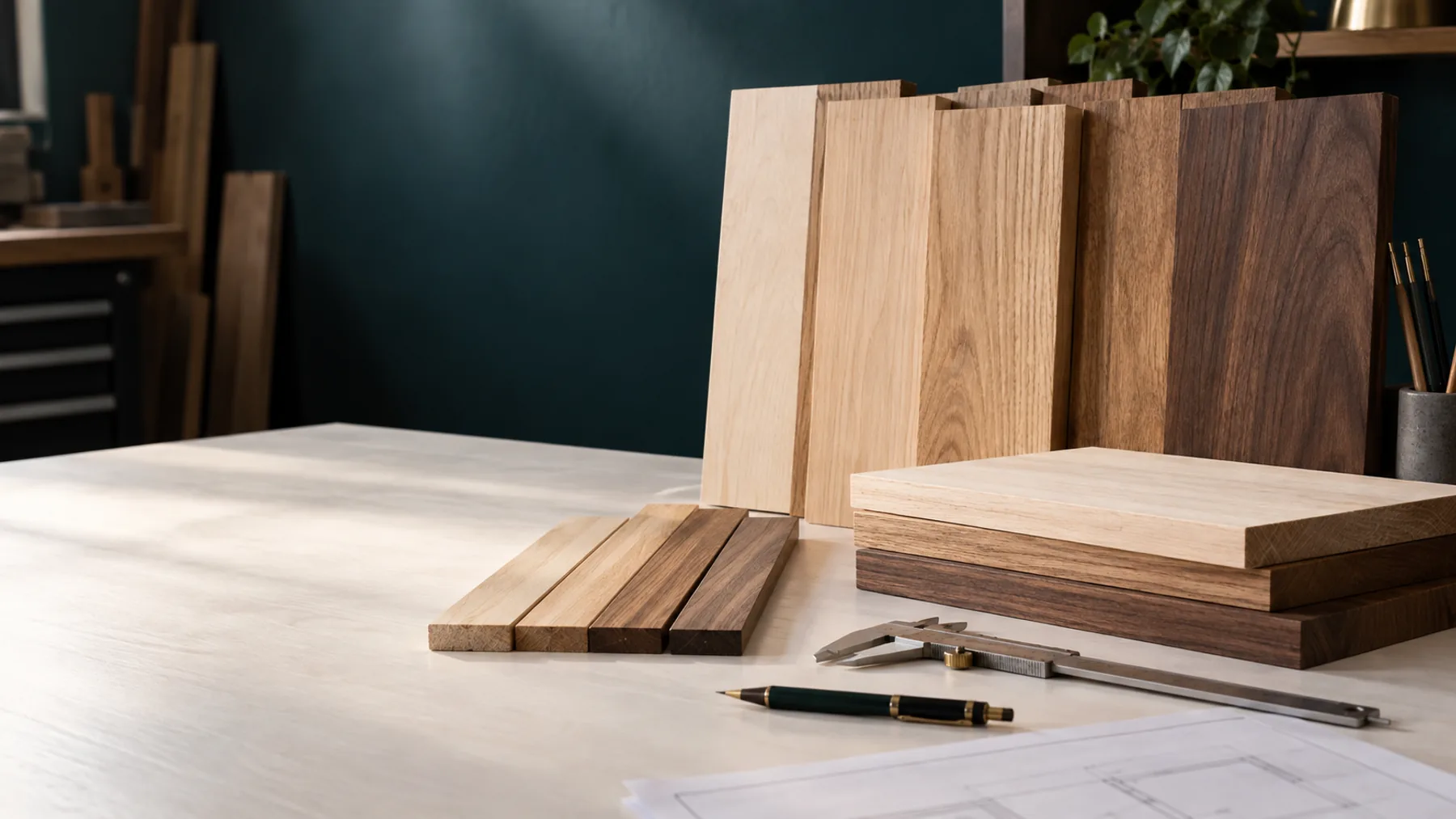
Material review
Species selection
Crafted in-house
NW Houston / Tanner Rd
01 · Start with the finish direction
Species affects tone, movement, hardness, yield, and material cost. A clear project brief gives the mill enough context to guide the choice.
01
Poplar keeps painted moulding, casing, and custom profiles practical.
02
Red Oak offers familiar movement and dependable everyday availability.
03
White Oak and Hard Maple deliver a clean, architectural character.
04
Walnut, Cherry, and Mahogany bring deeper color and presence.
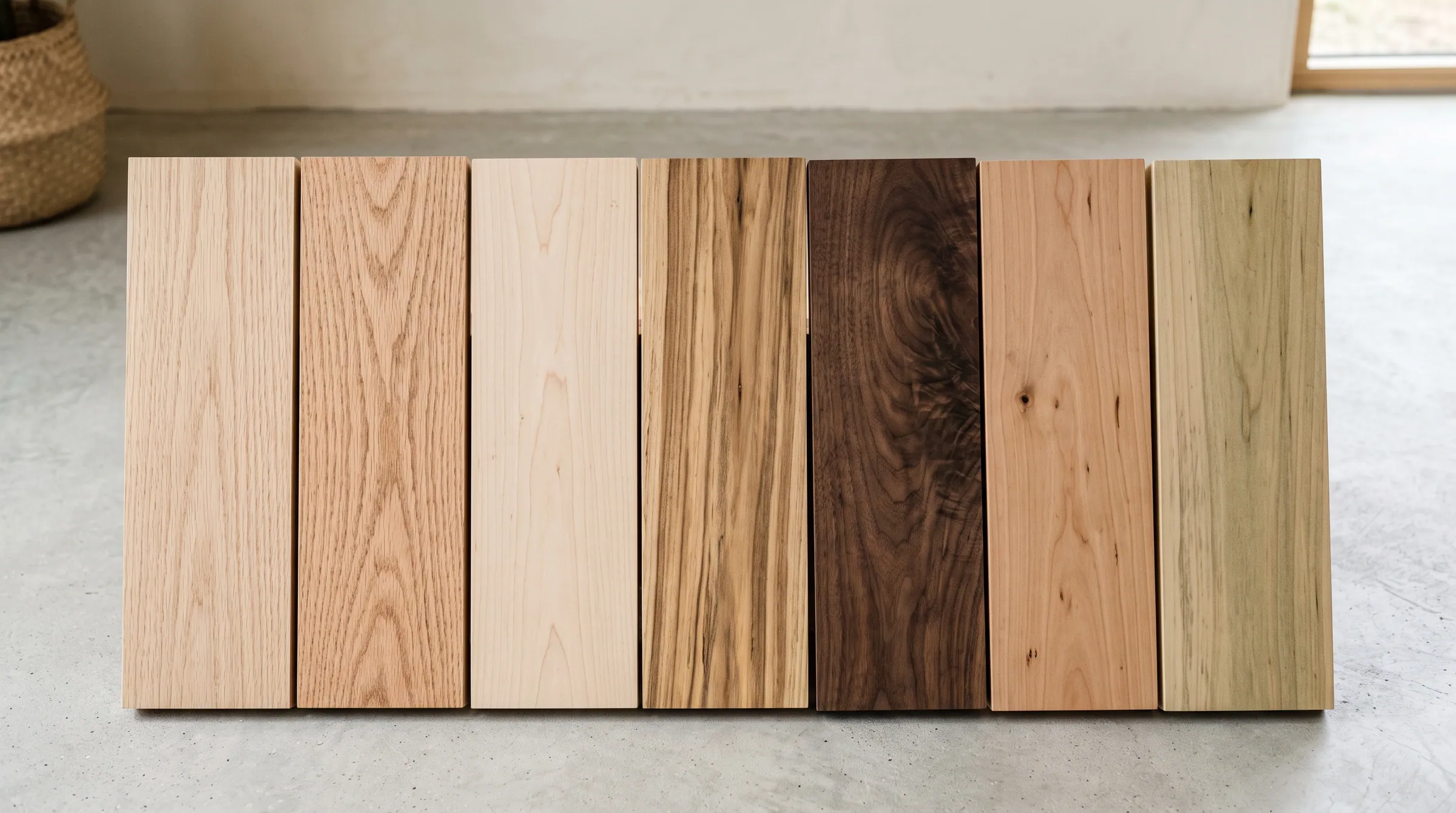
Material range
See tone and grain together before narrowing the spec.
Stock on hand
Real lumber availability drives the final recommendation.
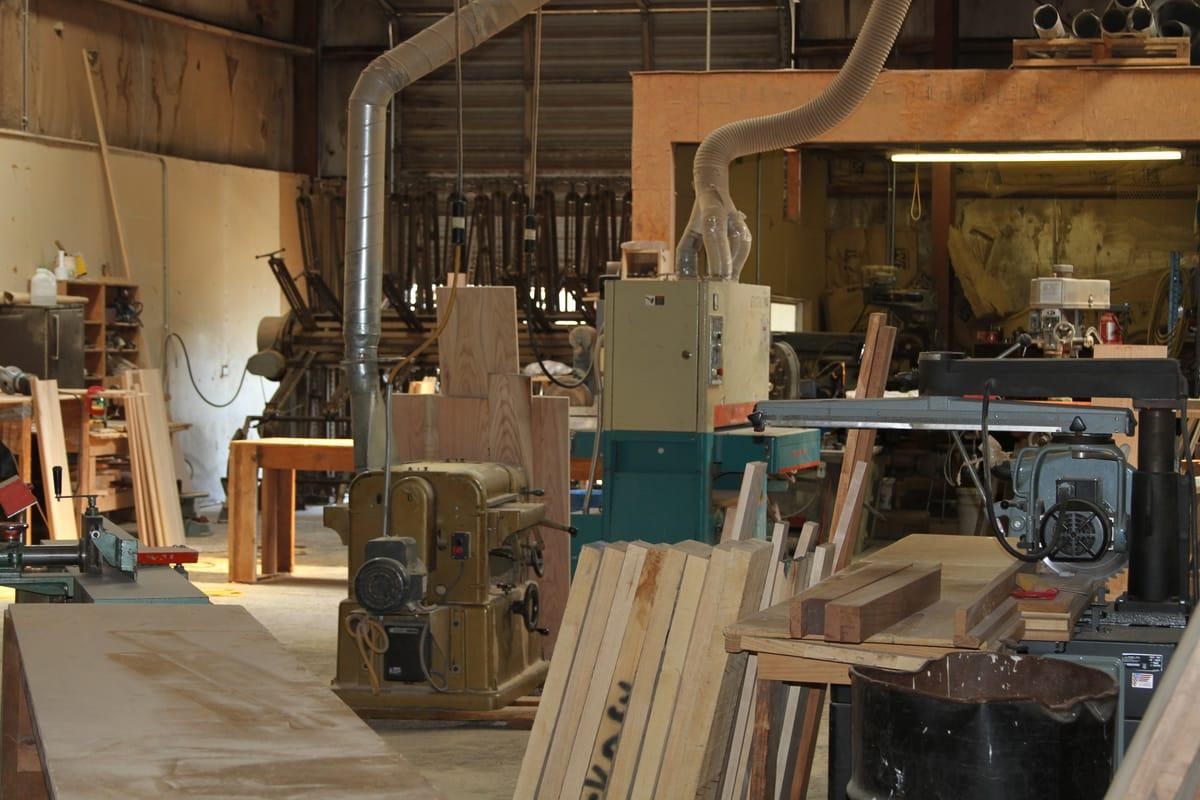
Milled in-house
Species choice is checked against the profile, run, and finish direction.
02 · Stock program
These are UWP's core photographed references for everyday millwork. Natural boards vary; confirm grade, dimensions, and finish direction with the project team.
Photographed material references
Use these as visual orientation only. Board tone and figure are confirmed against the run.
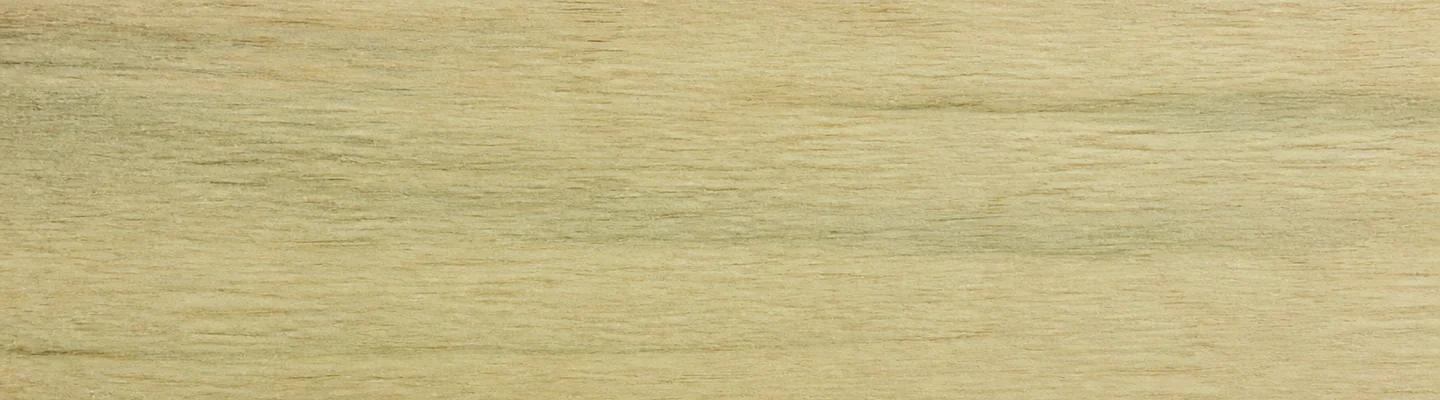
UWP stock sample
Stock 01
540 lbf
Soft
Calm, workable, paint-friendly
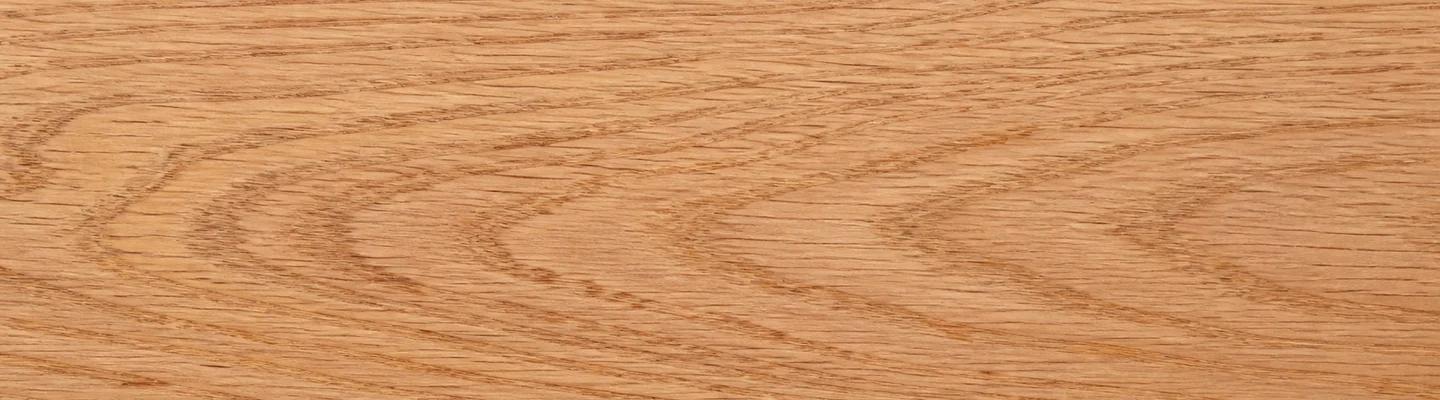
UWP stock sample
Stock 02
1,290 lbf
Hard
Open grain with clear movement
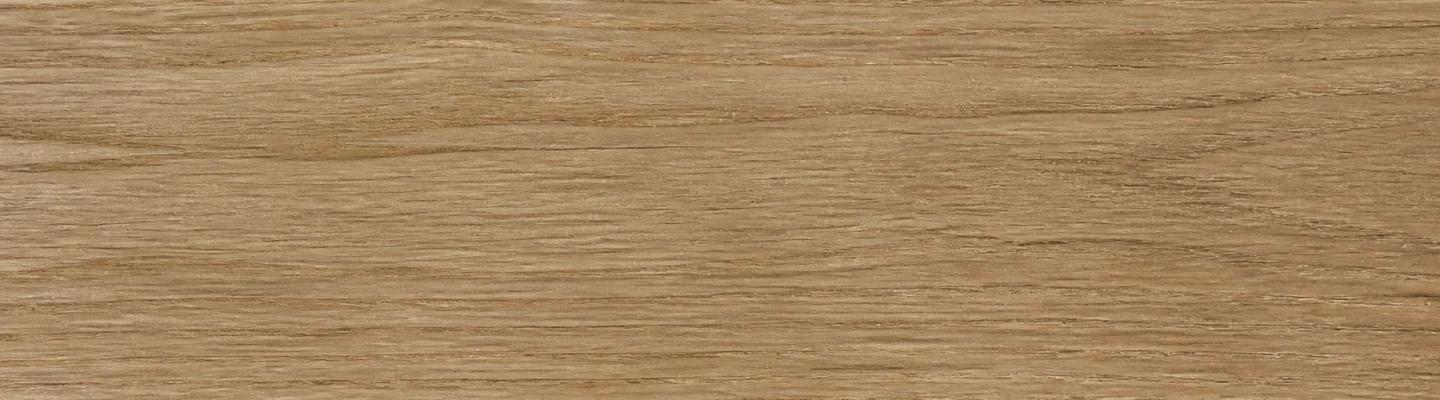
UWP stock sample
Stock 03
1,350 lbf
Hard
Firm, clean, architectural look
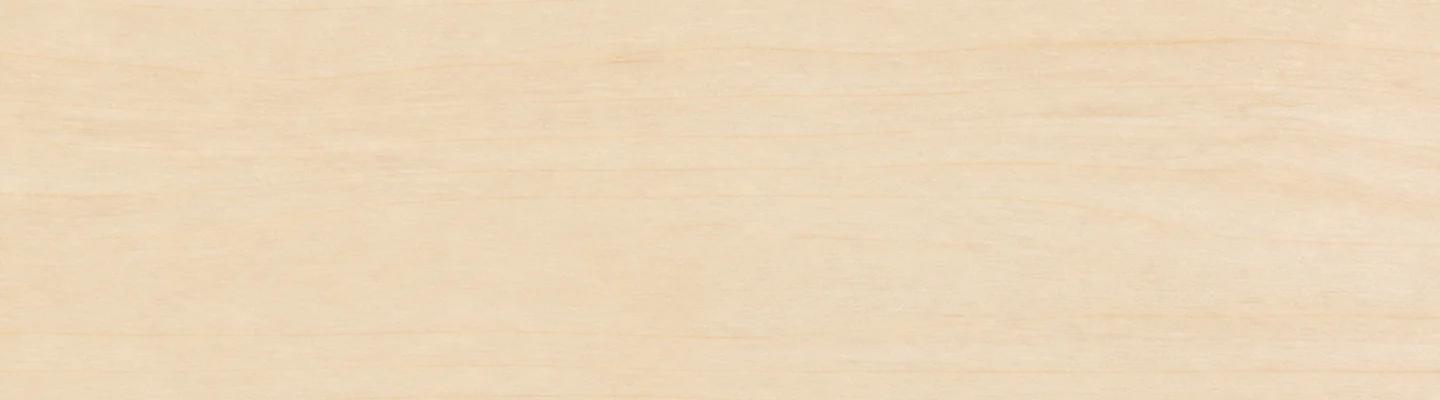
UWP stock sample
Stock 04
1,450 lbf
Hard
Fine, tight, and even
Photographed stock sample
Hard Maple
Maple, specified correctly
The names describe commercial groups, not a single interchangeable material. Choose by service, appearance, and the finish direction before the profile is released.
Fine, even, and dense. A strong fit where a clean surface and higher field hardness matter.
Lighter-duty and more workable, with useful paint and stain flexibility when sourced to the project.
03 · Extended material range
Use this index to set a direction. Special-order material is confirmed against grade, dimensions, yield, lead time, and the exact scope before release.
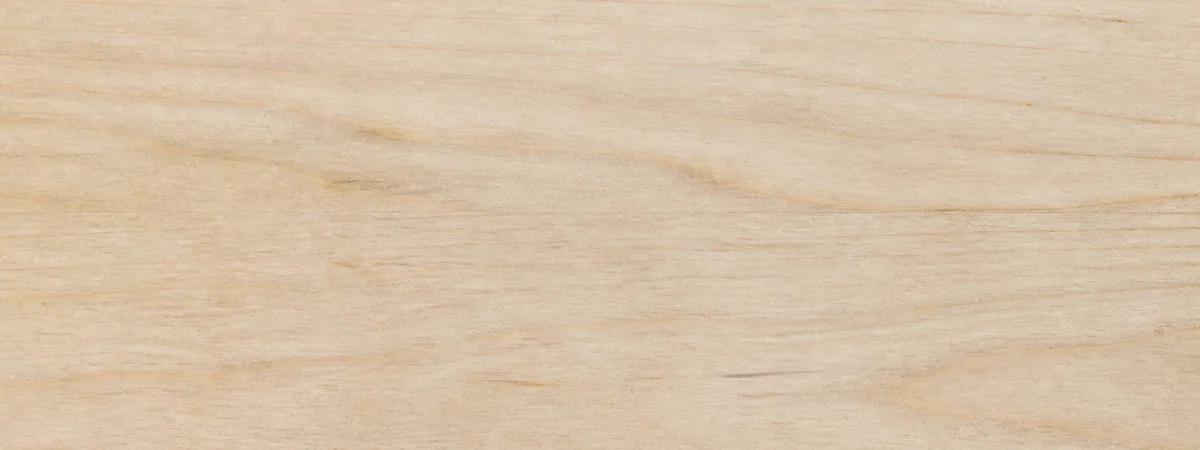
Study reference
01 · Special order
950 lbf
Grey-white to pale tan with occasional pink or brown fleck
Mouldings, doors, cabinetry, and interior millwork
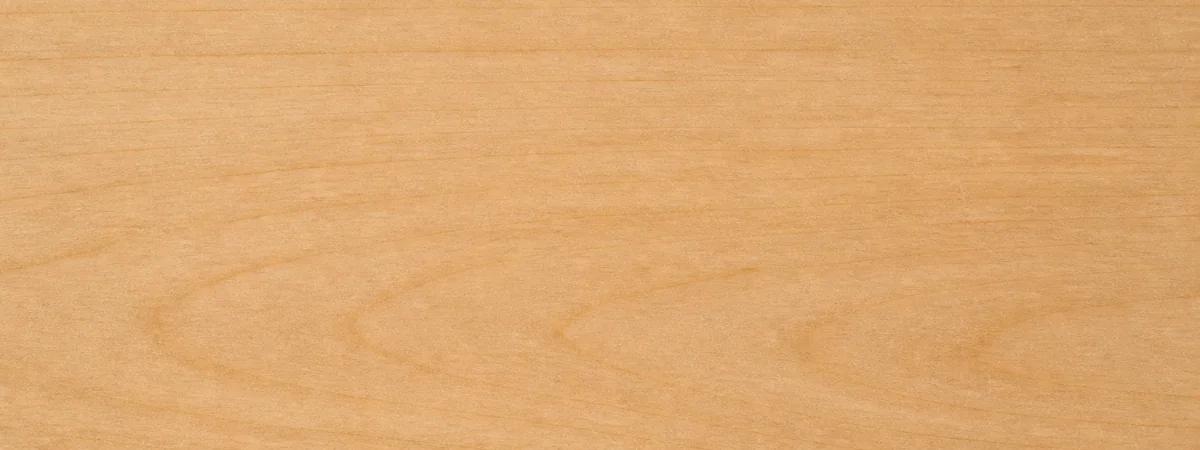
Study reference
02 · Special order
590 lbf
Warm honey brown
Decorative millwork and furniture-style trim
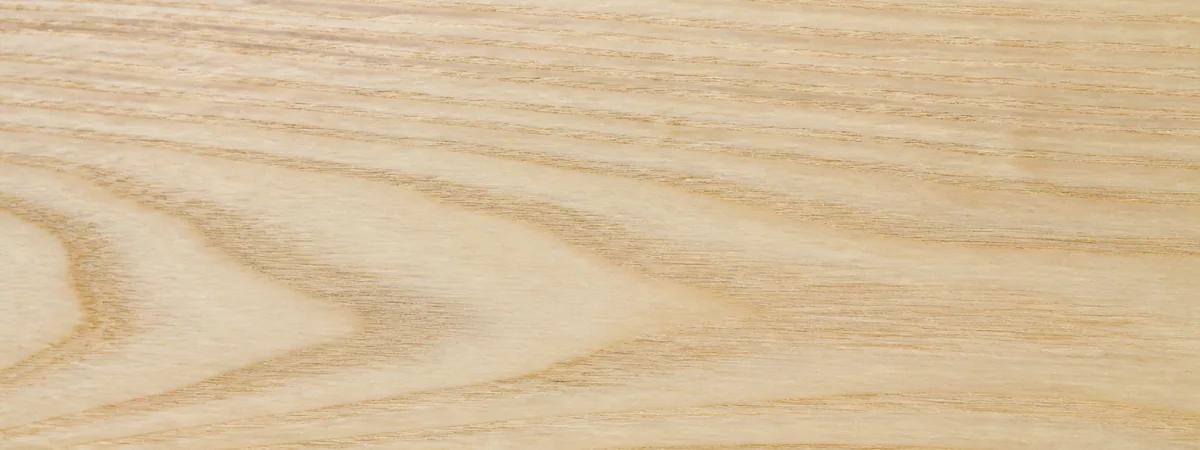
Study reference
03 · Special order
1,320 lbf
Light blonde to tan
Bright stain-grade work and durable trim
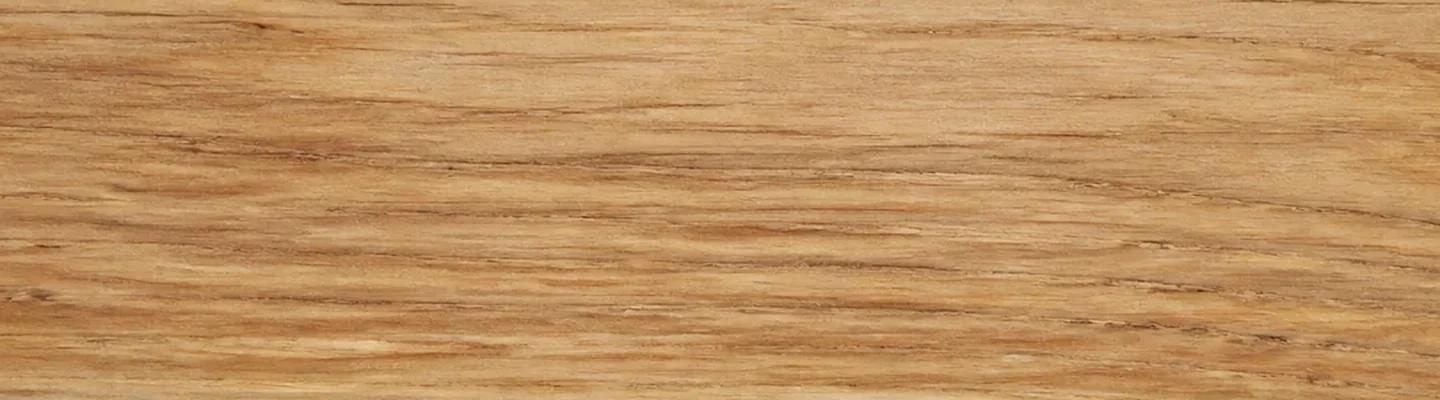
Photographed sample
04 · Special order
1,820 lbf
Cream, tan, and brown contrast
Statement stair parts, rustic trim, and feature work
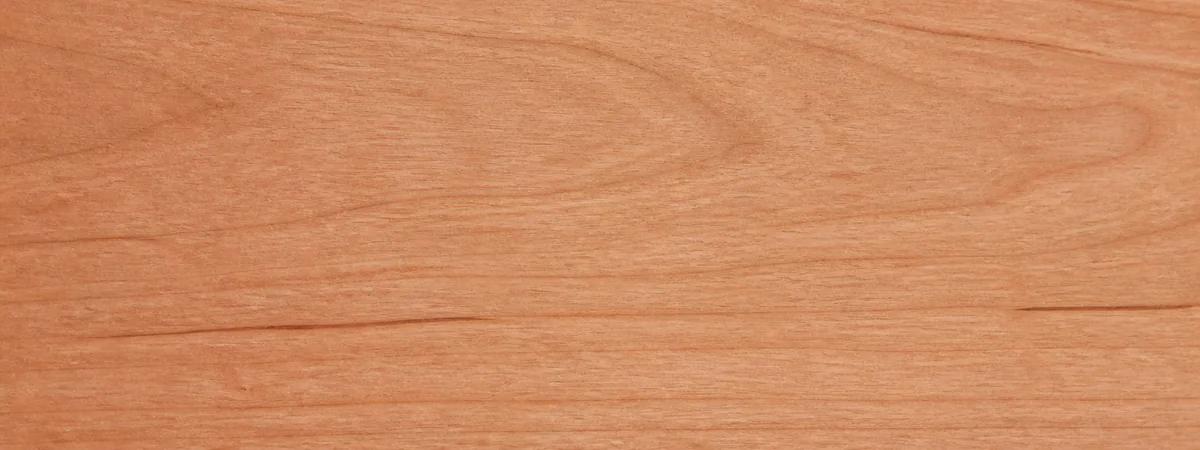
Study reference
05 · Special order
950 lbf
Warm red-brown
Furniture-grade millwork and refined trim
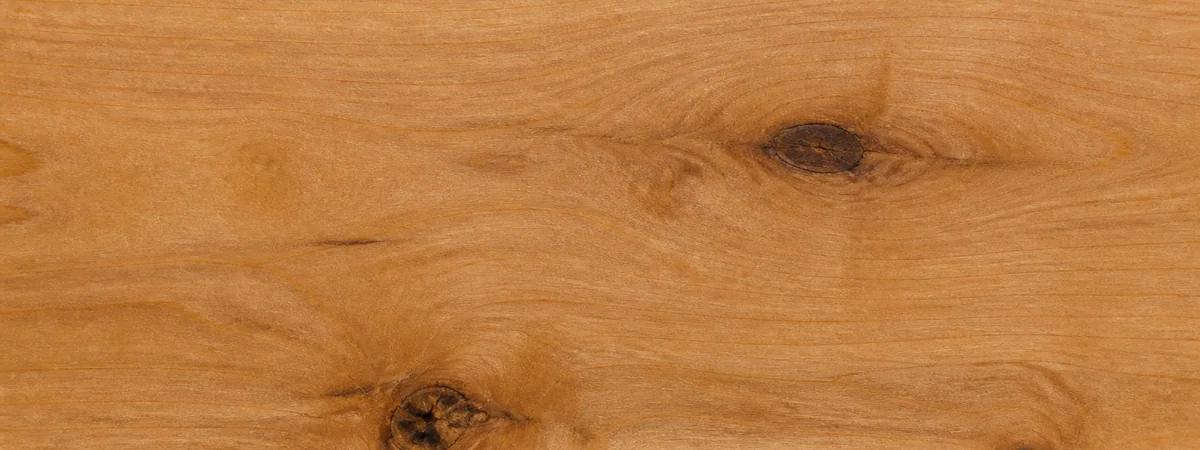
Study reference
06 · Special order
590 lbf
Warm amber brown
Rustic trim, doors, and character millwork
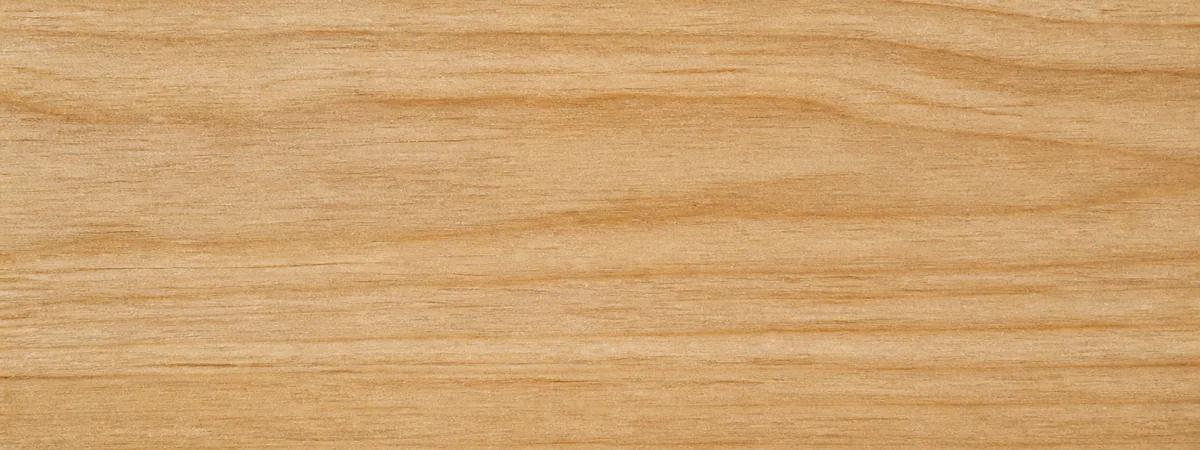
Study reference
07 · Special order
510 lbf
Golden tan
Custom millwork and specialty trim
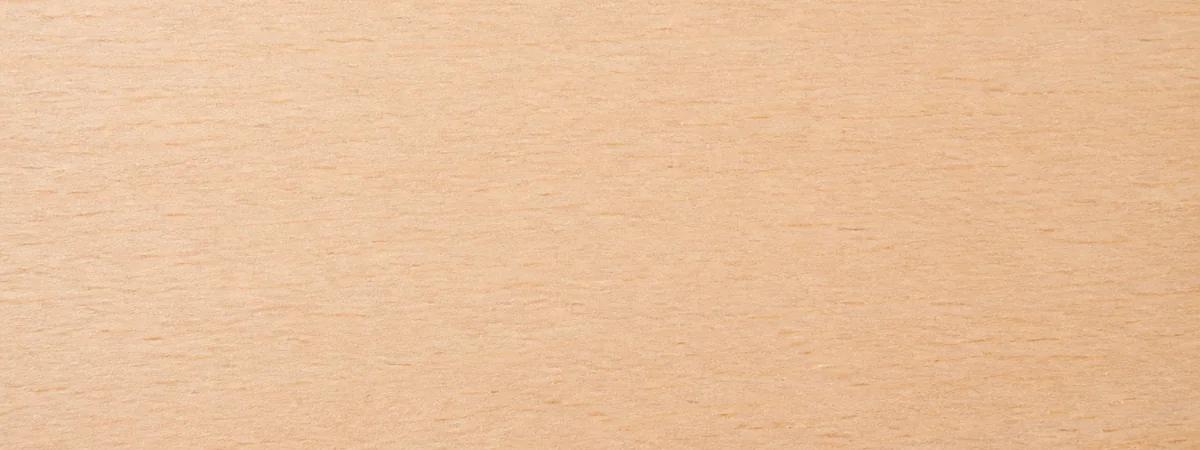
Study reference
08 · Special order
1,300 lbf
Pale pink-tan
Clean trim, panels, and smooth millwork
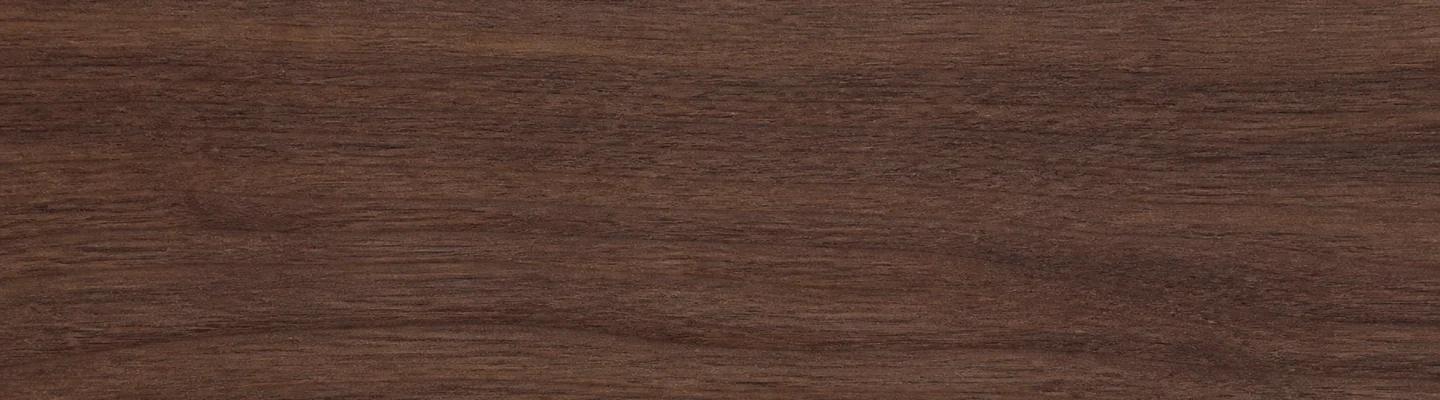
Photographed sample
09 · Special order
1,010 lbf
Chocolate brown
Accent millwork, rails, trim, and feature details
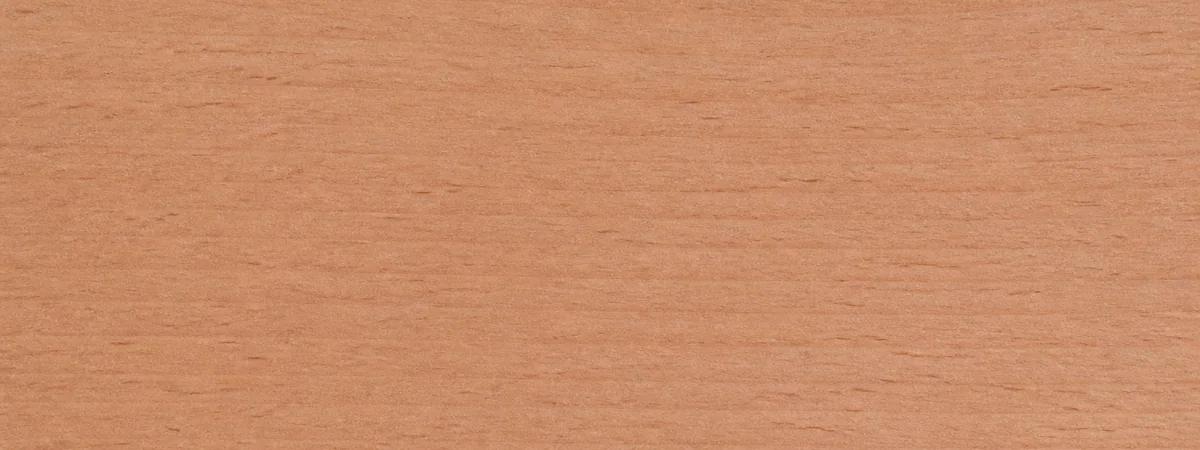
Study reference
10 · Special order
1,450 lbf
Warm salmon-tan
Modern trim and clean interior millwork
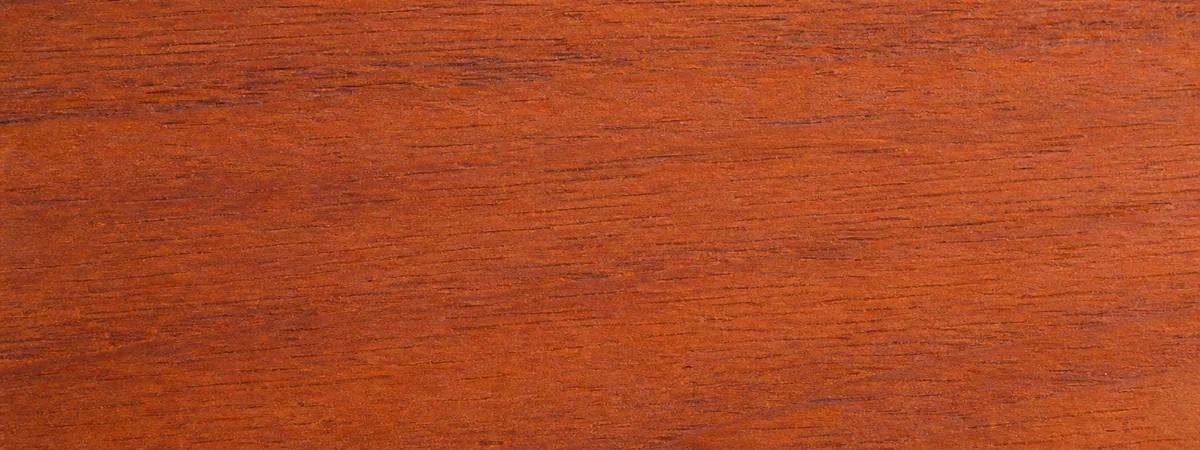
Study reference
11 · Special order
2,350 lbf
Deep reddish brown
Premium accents and durable specialty work
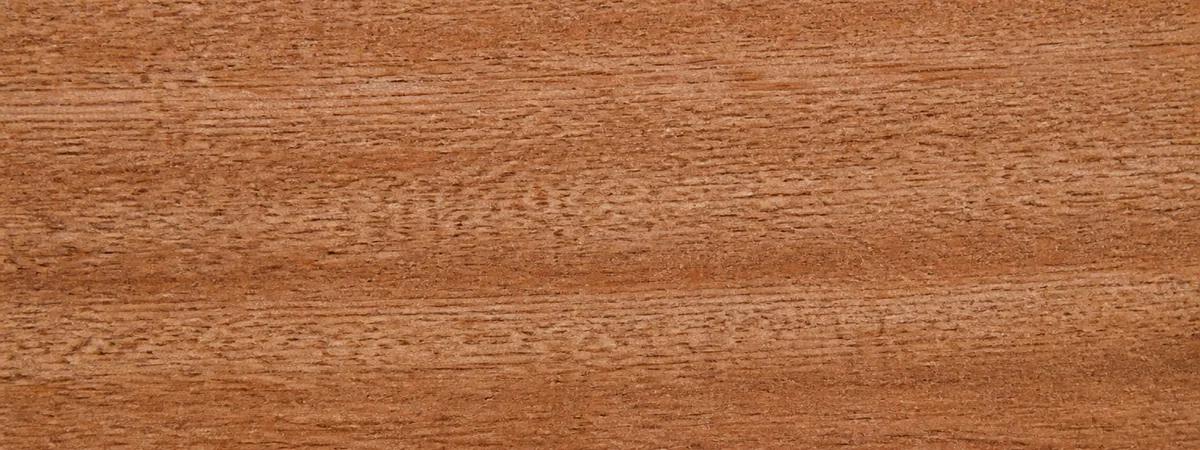
Study reference
12 · Special order
900 lbf
Red-brown with depth
High-end millwork and architectural accents
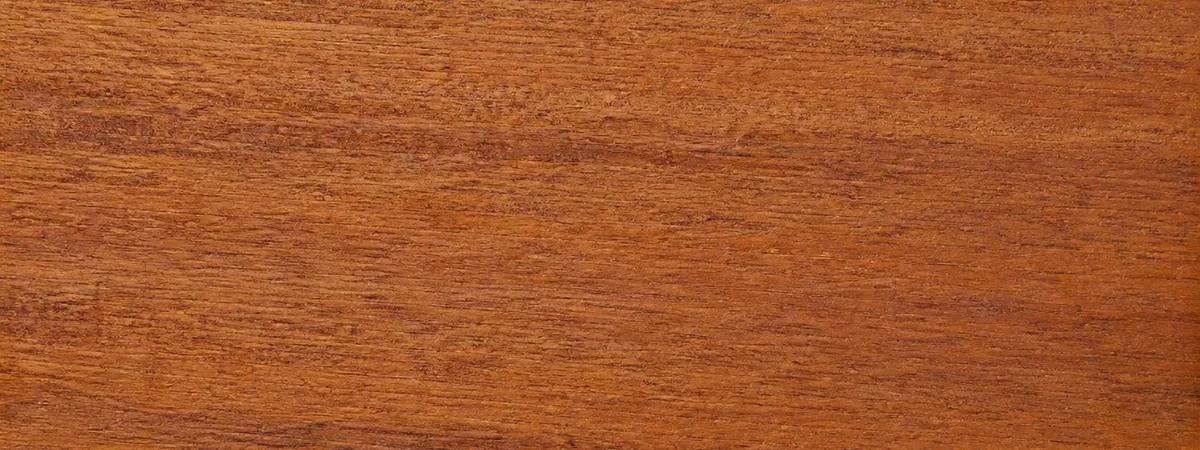
Study reference
13 · Special order
1,070 lbf
Medium brown to deep bronze
Premium millwork, trim, and feature details
Special-order entries are specification references. Images marked study reference are visual guides only; availability and appearance are confirmed for each project.
How a log is cut has everything to do with the look and performance of the wood. Each sawing method creates a distinct grain pattern, character, and dimensional stability.
The most traditional and common way to saw a log. Cuts are made tangentially, creating the classic “cathedral” grain pattern.
The log is cut at a slight angle to the radius, producing a more linear, consistent grain with subtle texture.
The log is quartered, then sawn perpendicular to the growth rings. In white oak this exposes the medullary rays as the dramatic “fleck” or “tiger” figure.
The right sawing method depends on the look you love and how the wood will be used — we’re here to help you choose with confidence. Our Rift & Quartered White Oak blends rift and quartersawn boards: mostly straight grain with the occasional flash of fleck.
Better wood. Better choices. Built to last.
04 · Janka hardness
Janka values help compare resistance to denting. Grain, finish, environment, and service conditions still shape how a completed profile performs.
Dent resistance · published Janka figures
Hardest first · pounds-force
Jatoba
Very hard · Order
2,350lbf
Hickory
Very hard · Order
1,820lbf
Hard Maple
Hard · Stock
1,450lbf
Euro Beech
Hard · Order
1,450lbf
White Oak
Hard · Stock
1,350lbf
Ash
Hard · Order
1,320lbf
Beech
Hard · Order
1,300lbf
Red Oak
Hard · Stock
1,290lbf
African Mahogany
Moderate · Order
1,070lbf
Walnut
Moderate · Order
1,010lbf
Soft Maple
Moderate · Order
950lbf
Cherry
Moderate · Order
950lbf
Mahogany
Moderate · Order
900lbf
Alder
Soft · Order
590lbf
Knotty Alder
Soft · Order
590lbf
Poplar
Soft · Stock
540lbf
Cypress
Soft · Order
510lbf
Decides it
Floors, treads, landings, and countertops—anything walked on or dragged across.
Informs it
Handrail, cap rail, and hallway casing where hands, carts, and corners make contact.
Barely touches it
Crown, panel mould, and casing above the traffic line. Tone and finish matter more.
Published figures describe the species as a group. Individual boards vary; cut, moisture content, finish, and the actual board on the rack still govern the finished result.
05 · Relative material position
Red Oak is the 1.00× baseline. Grade, yield, width, length, setup, quantity, and the lumber market determine the actual quote.
Relative material position
Red oak = 1.00× · material only
Poplar
Value · Indicative
0.70×
Knotty Alder
Everyday · Indicative
0.96×
Red Oak
Everyday · UWP schedule
1.00×
Alder
Everyday · Indicative
1.06×
Soft Maple
Everyday · Indicative
1.08×
Ash
Everyday · Indicative
1.12×
Beech
Mid · Indicative
1.18×
Cypress
Mid · Indicative
1.24×
Hickory
Mid · UWP schedule
1.27×
Hard Maple
Mid · UWP schedule
1.33×
White Oak
Premium · UWP schedule
1.50×
Euro Beech
Premium · Indicative
1.54×
Cherry
Premium · Indicative
1.66×
African Mahogany
Premium · Indicative
1.86×
Jatoba
Feature · Indicative
2.14×
Walnut
Feature · UWP schedule
2.33×
Mahogany
Feature · Indicative
2.58×
What moves the quote after species
Use the ladder to shortlist. Send species, profile, width, length, quantity, and finish direction for a current project quote.
Ready for the mill
Custom profiles milled in-house
Stock and sourced lumber programs
Trade guidance before release
UWP maintains a focused core hardwood program for stain-grade work plus paint-grade material options. Stair-tread configurators currently price five core hardwoods; exact catalog SKUs, additional species, and current material availability are confirmed at quote.
Read the answer →UWP mills six hardwood species: red oak, white oak, hickory, hard maple, walnut, and brazilian cherry. Red oak is the affordable warm baseline; white oak runs golden-tan and takes modern stains cleanly; hickory shows the strongest grain contrast; hard maple is the tightest, lightest grain; walnut is rich chocolate; brazilian cherry is the hardest and reddest. Pick on look first, hardness second.
Read the answer →White Oak 20/20 is UWP’s allocation policy in response to ongoing global white oak supply pressure. Every white oak order includes 20% short lengths (6 to 8 feet) by default — or you can opt for 100% long lengths at a 20% price premium. The policy keeps allocation fair across the trade and makes the supply math transparent before you order. The 20/20 Calculator on our site shows what your order looks like under the policy.
Read the answer →Both red oak and white oak make excellent stair treads in Houston — once acclimated, indoor performance is nearly identical. The real choice is look and budget. Red oak runs warm pink-brown with a busy grain at a lower cost; white oak runs golden-tan, takes modern stains more cleanly, and costs more. White oak also needs stainless fasteners — its tannins react with steel.
Read the answer →