

Floor Underlayment, Prep & Adhesives
Moisture · Sound · Cushion · Patch · Bond
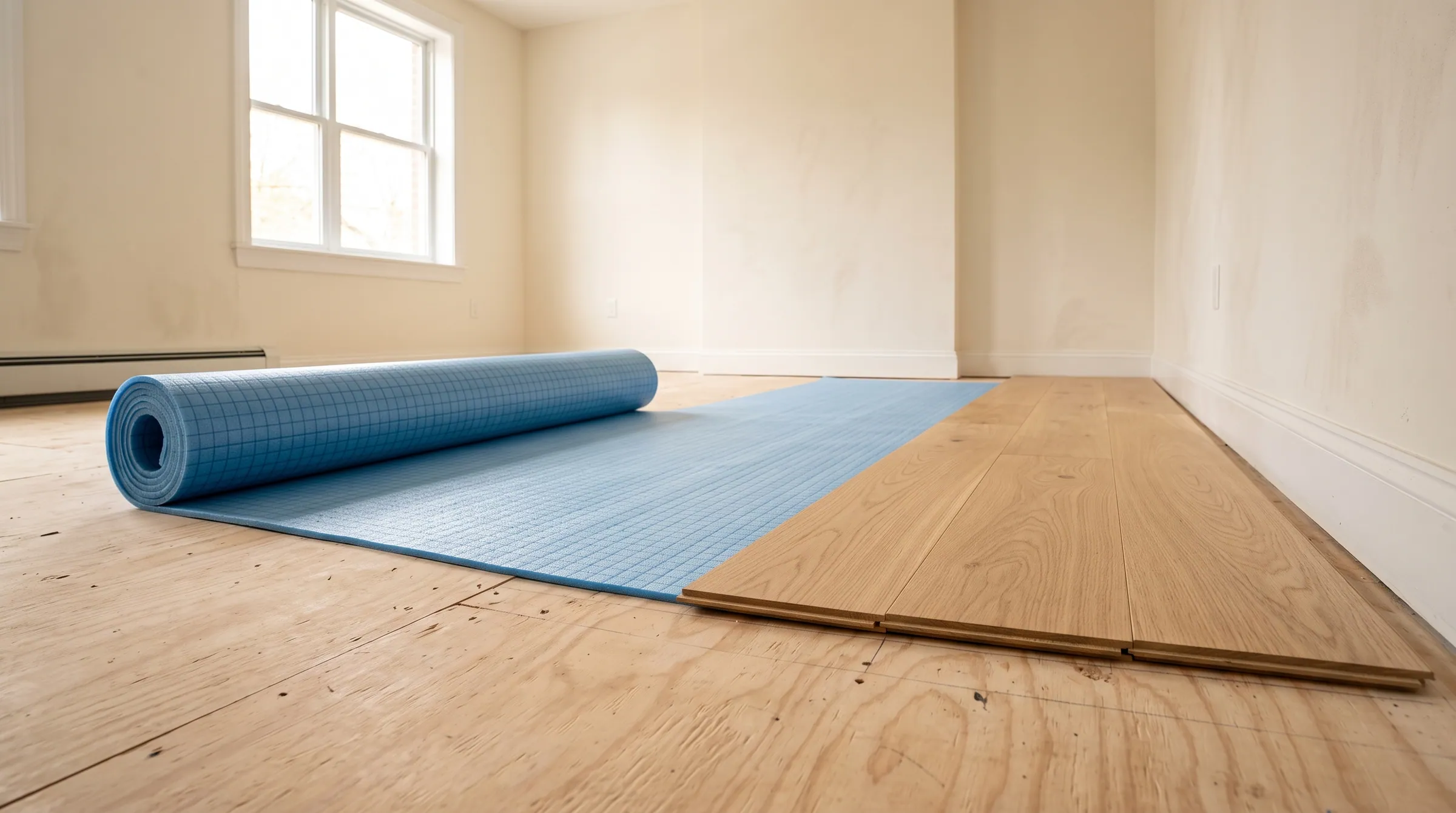
What goes under the floor is as important as the floor itself. UWP stocks every layer that goes down before the finished floor — an EVA acoustic pad with built-in vapor barrier, stand-alone 6 mil polyethylene for moisture-only jobs, Mapei Planipatch or TEC VersaPatch for patching and Novoplan 2 Plus for self-leveling pours, and TEC Fortane MBA / LD polyurethane adhesives for glue-down wood. All stocked at NW Houston / Tanner Rd.
Stocked at the yard. Sized for any room.
Underlayment & moisture barrier.
The cushion, the acoustic layer, and the vapor barrier that go down first — under floating laminate, engineered hardwood, and engineered composite.
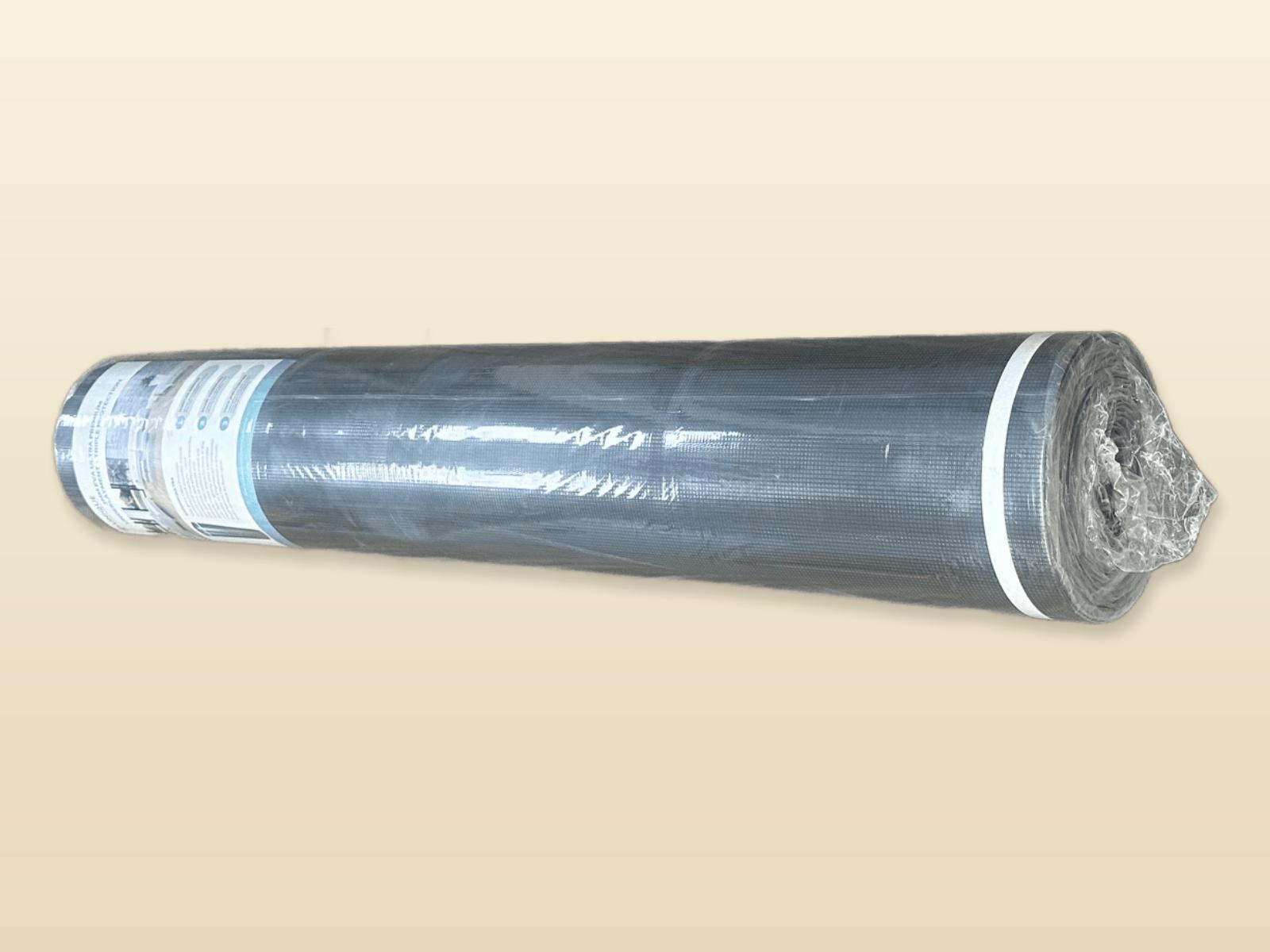
3mm EVA Ultra Premium Padding
Triple-layer underlayment for floating laminate, engineered hardwood, and engineered composite floors. PE film vapor barrier, high-density EVA sound core, 3 mm cushion.
View product →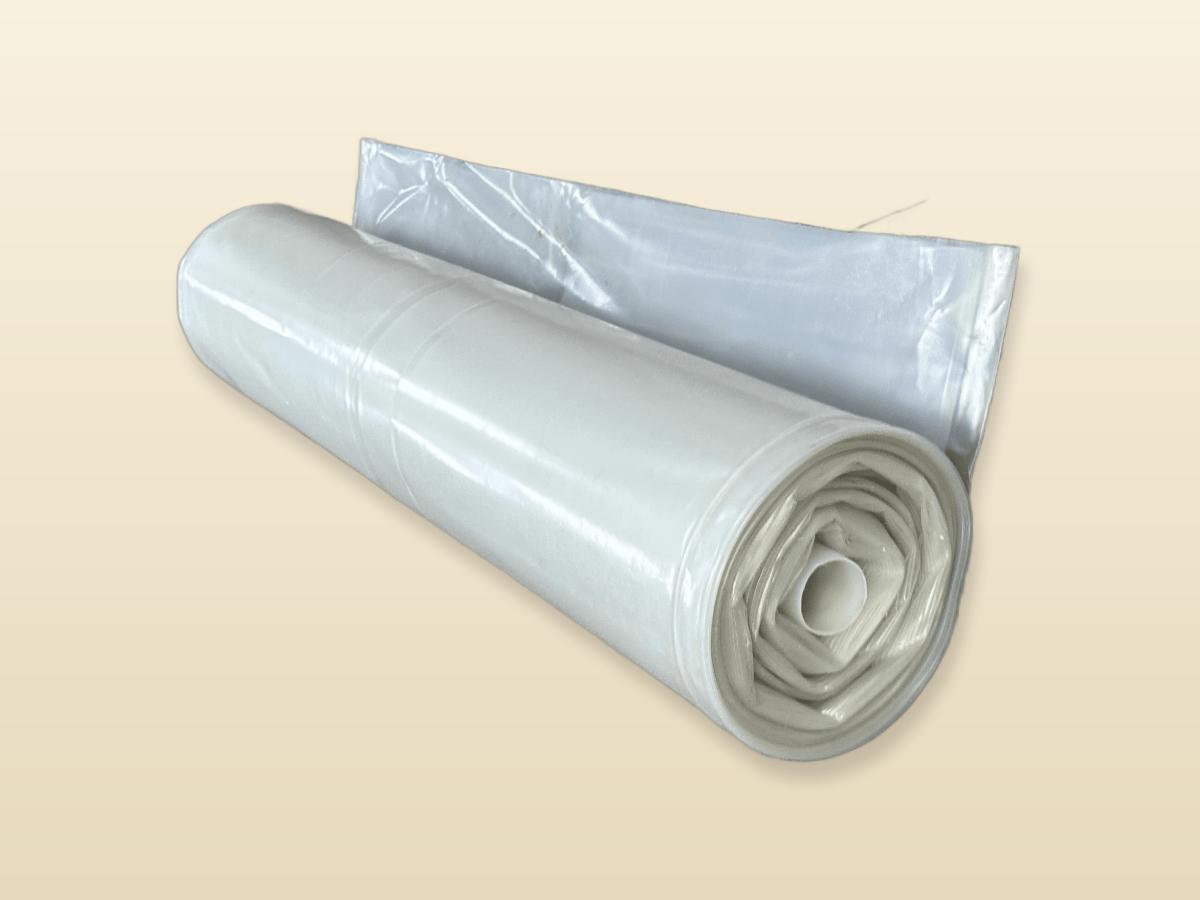
6 mil Clear Poly Sheeting
Heavy-duty 6 mil polyethylene moisture barrier for floating-floor installs over concrete. One 10 ft × 100 ft roll covers 1,000 ft² with minimal seams.
View product →Surface preparation.
Patch, level, and feather-edge the subfloor before the finished floor goes down — fast-setting cementitious compounds for concrete and approved wood subfloors.
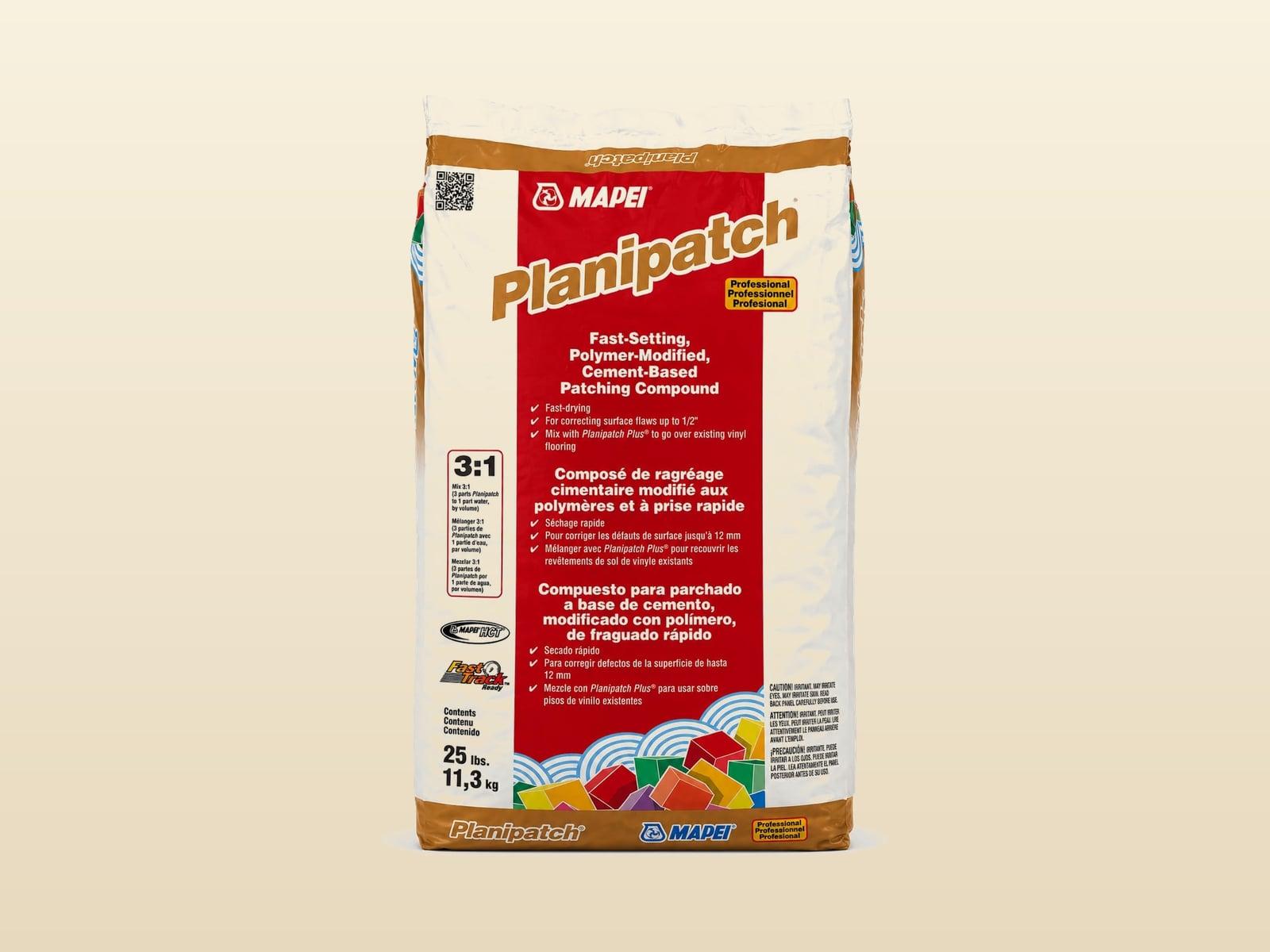
Mapei Planipatch
Fast-setting polymer-modified cement patching compound for smoothing, patching, and feather-edging concrete and wood subfloors. 25 lb bags stocked at NW Houston / Tanner Rd.
View product →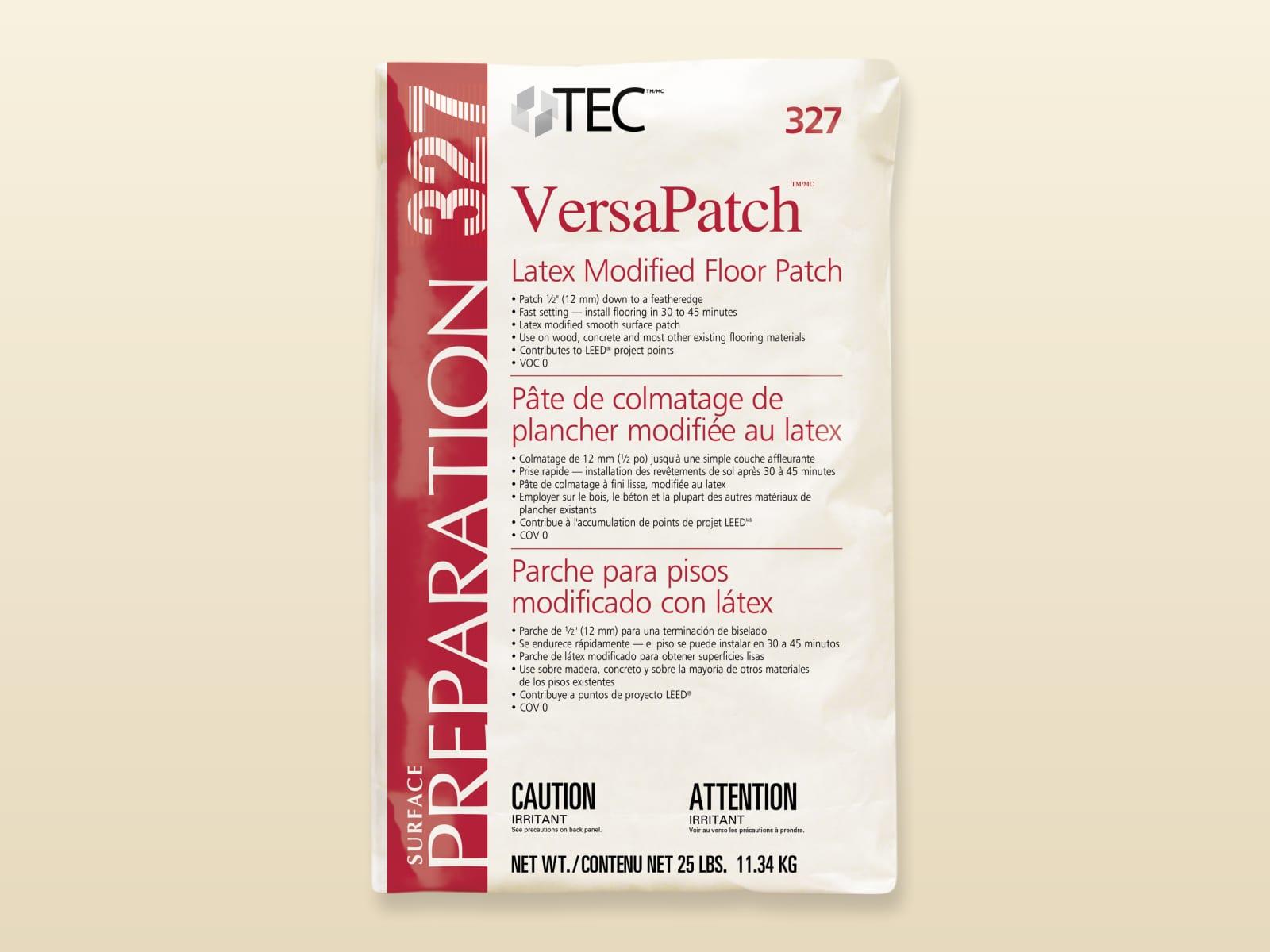
TEC VersaPatch (327)
Latex-modified cement floor patch — feather edge to ½″ in one pull, flooring install in 30–45 minutes. Zero VOC, LEED-compliant. 25 lb bags stocked at NW Houston / Tanner Rd.
View product →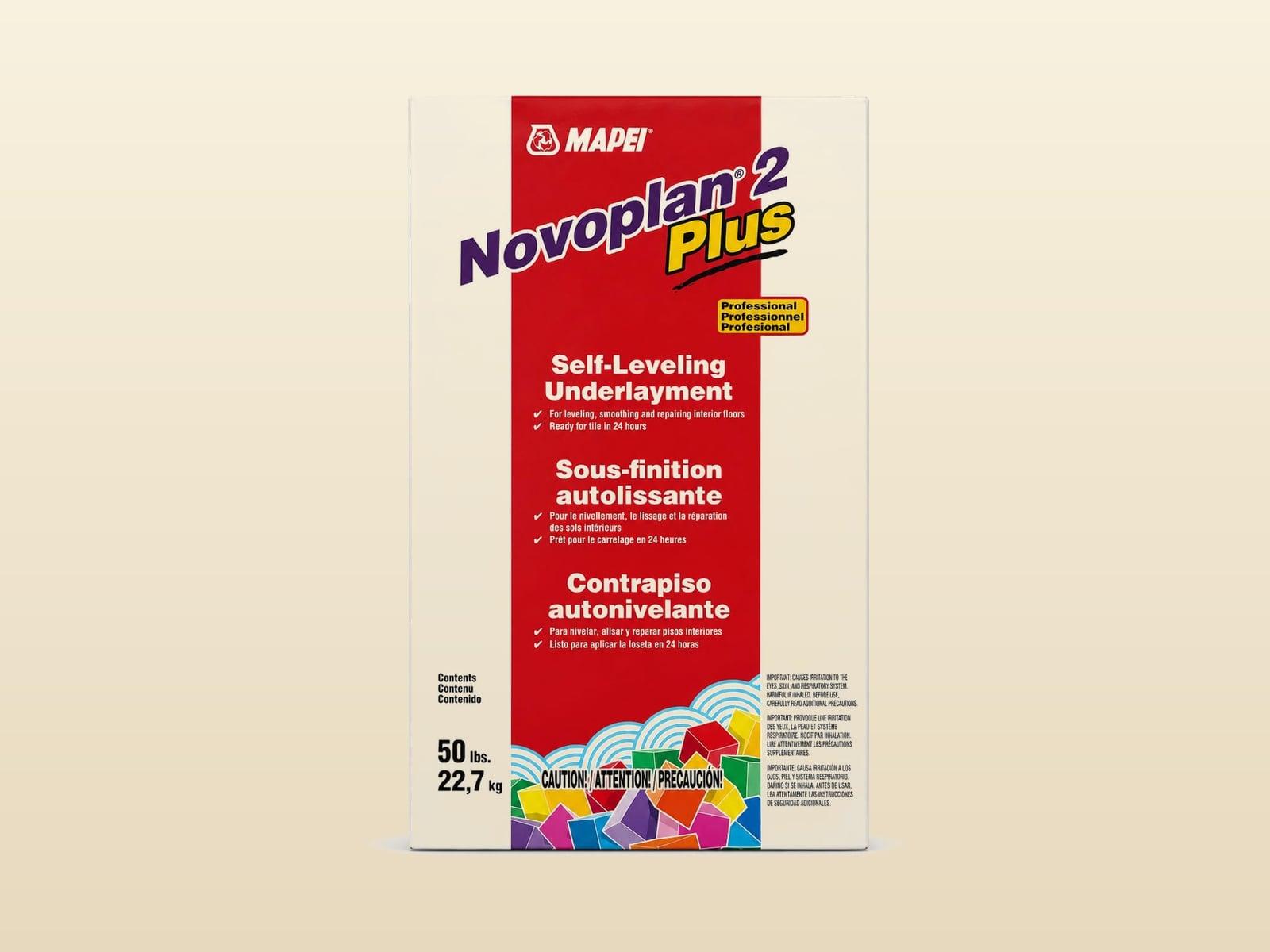
Mapei Novoplan 2 Plus
High-strength, polymer-modified, self-leveling cement underlayment. Pours feather edge to 1″ in one pass; ready for tile in ~24 hours. 50 lb bags stocked at NW Houston / Tanner Rd.
View product →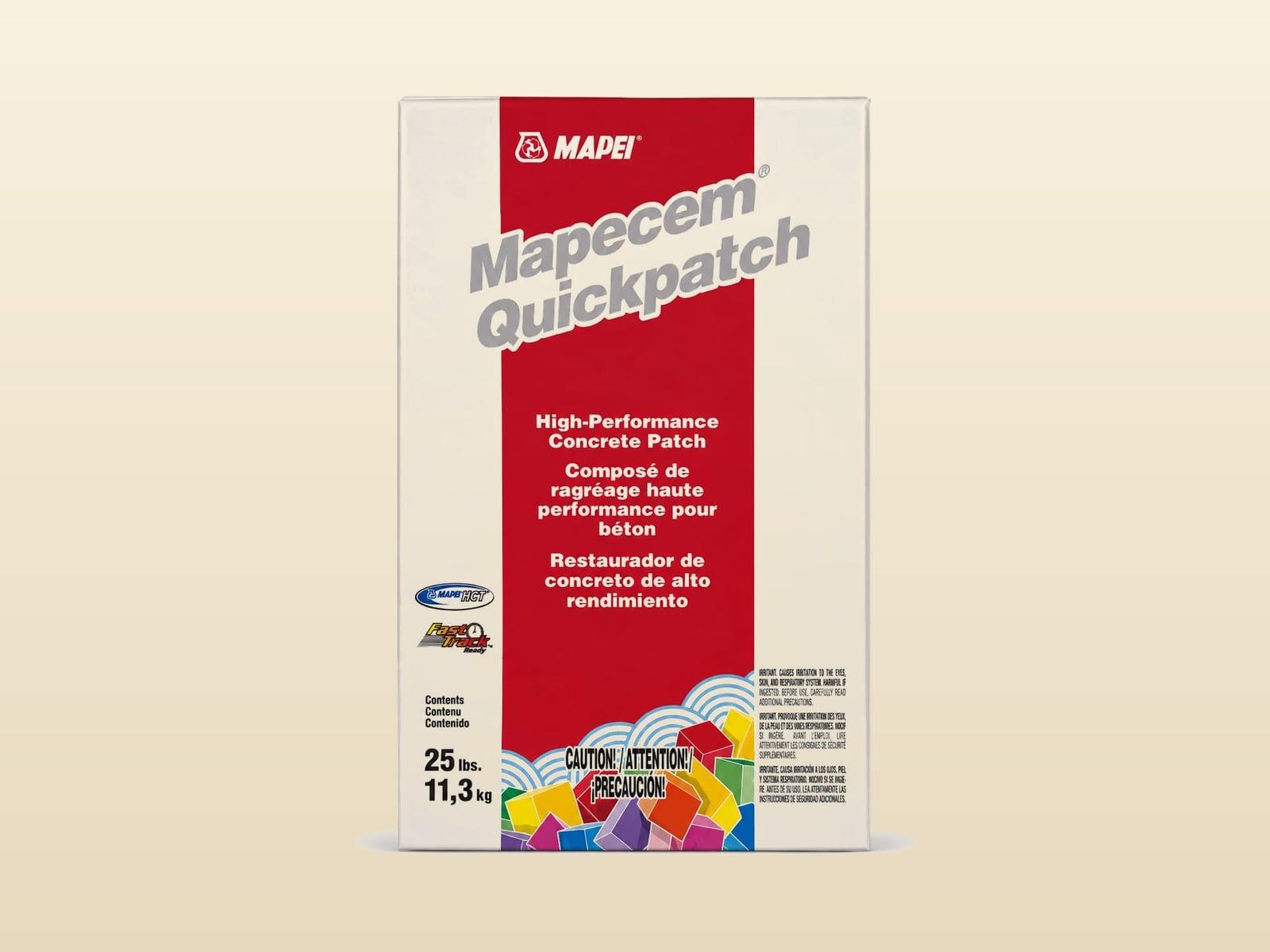
Mapei Mapecem Quickpatch
Fast-setting, polymer-modified, cement-based concrete patch for spalled slabs, broken edges, ramps, and steps. Foot traffic in ~1 hour. 25 lb bags stocked at NW Houston / Tanner Rd.
View product →Engineered wood adhesive.
Polyurethane wood-floor adhesives for glue-down engineered hardwood — moisture-control, sound-control, and bond in a single trowel pass.
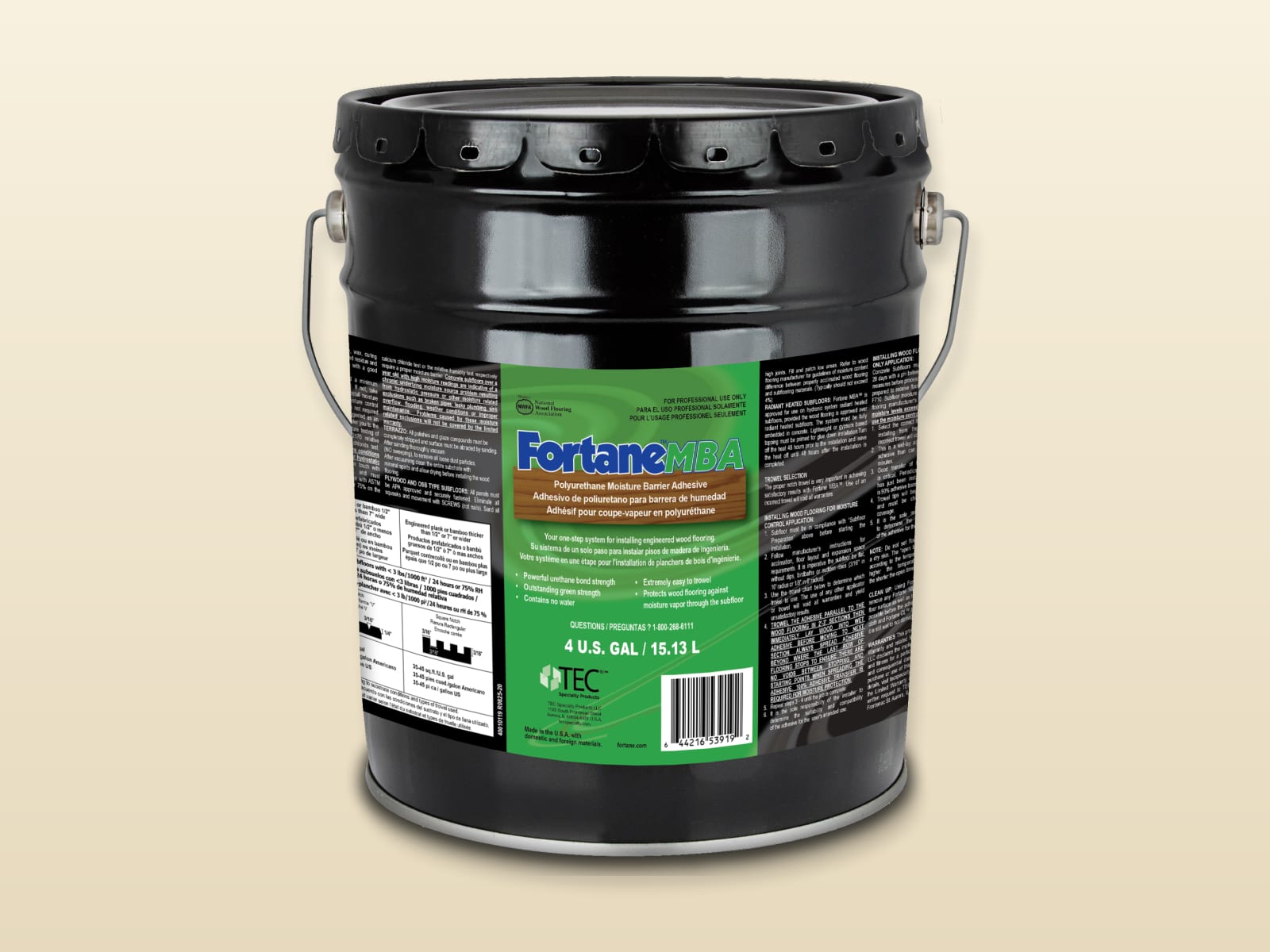
TEC Fortane MBA
Premium all-in-one polyurethane adhesive AND moisture barrier for glue-down wood floors. No pre-installation moisture testing required (with the moisture-control method). 4 gal pails stocked at NW Houston / Tanner Rd.
View product →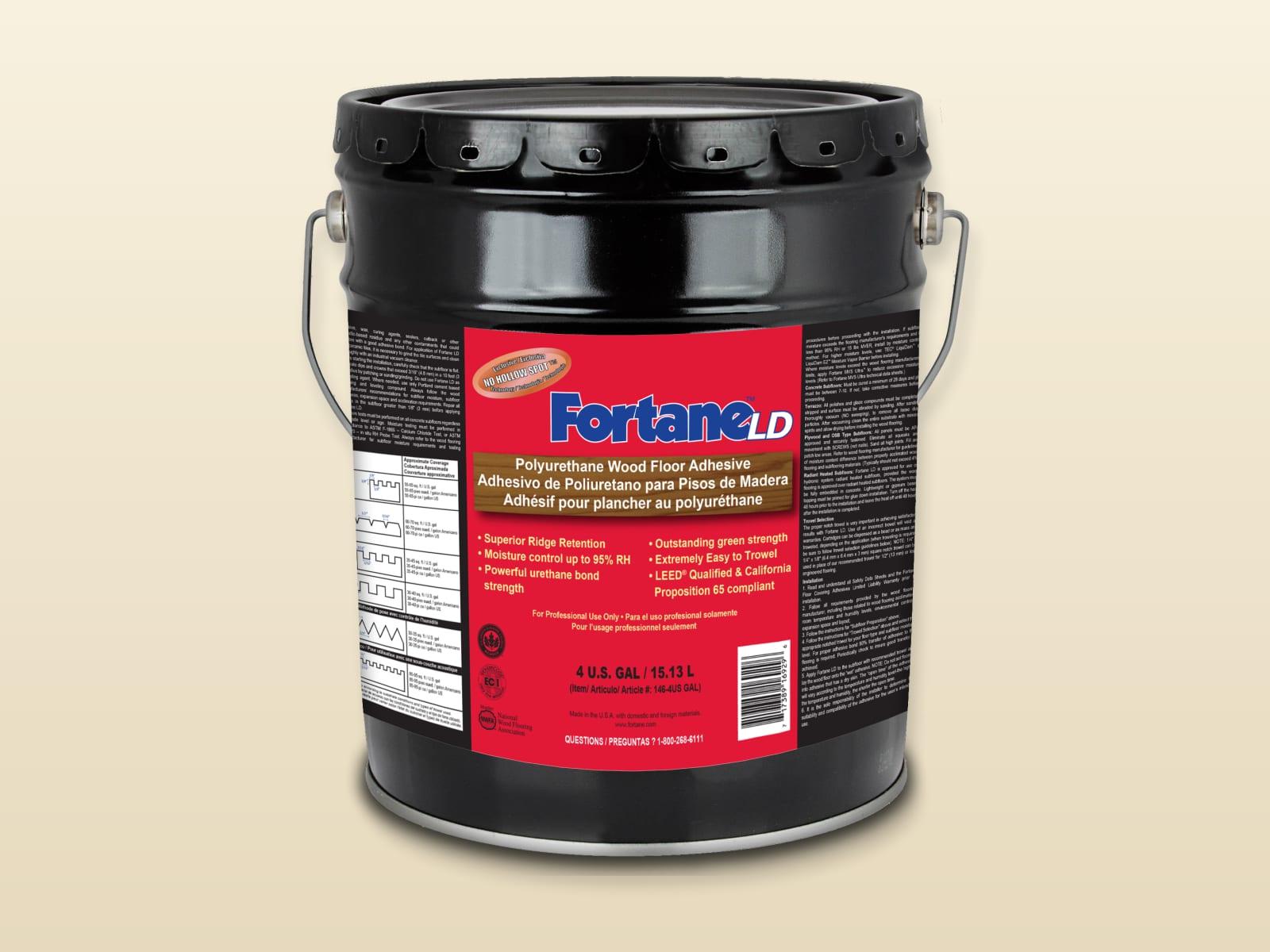
TEC Fortane LD
High-performance one-component moisture-cure urethane adhesive for glue-down wood floors. NO HOLLOW SPOT™ tech; moisture control to 95% RH and 15 lb MVER. 4 gal pails stocked at NW Houston / Tanner Rd.
View product →Questions people ask before ordering
How do I install SPC flooring?
SPC installs as a click-lock floating floor over almost any substrate. The sequence: confirm the subfloor is flat (within 3/16″ over 10 feet), acclimate the planks 48 hours, lay an underlayment if needed, click planks together starting at the longest wall, leave a 1/4″ expansion gap at every wall and obstruction, finish with baseboard or quarter round. Most rooms install in a weekend.
Read the answer →Click-lock vs. glue-down flooring — which installation method should I choose?
Click-lock floats over the subfloor with no adhesive — fast to install, easy to remove for repair, but slightly hollow underfoot. Glue-down bonds the floor directly to the subfloor — feels more solid, transmits less sound, lasts longer, but is far harder to repair or replace and requires a perfect substrate. Pick click-lock for fast residential installs; glue-down for commercial and premium residential.
Read the answer →Can I use wood flooring over radiant heat?
Yes, wood flooring works over radiant heat — but with specific rules. Engineered hardwood is strongly preferred over solid; narrower planks (5″ or less) are safer than wide planks; quarter-sawn cuts move less than plain-sawn; floor temperature must stay under 80°F at the wood surface. Install with proper acclimation and a slow heat ramp-up. Solid hardwood is possible but requires careful species selection and width discipline.
Read the answer →How do I acclimate hardwood before installing it?
Acclimate hardwood by stacking the material in the install space — not the garage, not the porch — for 5 to 7 days before installation. The room must be HVAC-conditioned at typical living temperature and humidity. The wood reaches equilibrium moisture content with the room and will not move significantly after install. Skipping this step is the #1 cause of post-install gaps, cupping, and squeaks.
Read the answer →