

Iron by finish
Silver Vein Iron Balusters
5 parts · 1 collection
Silver vein is the finish for the modern stair: a black powder coat with a silver vein through it that reads as brushed metal at a distance and as texture up close. It matches the stainless and brushed-nickel hardware in a contemporary house, and it is stocked on the plain and geometric shapes rather than the scrolls.
The balusters below are stocked in silver vein. Matching shoes are on the iron accessories page.
Iron Balusters · 5
All iron balusters →- Special order · Tanner Rd
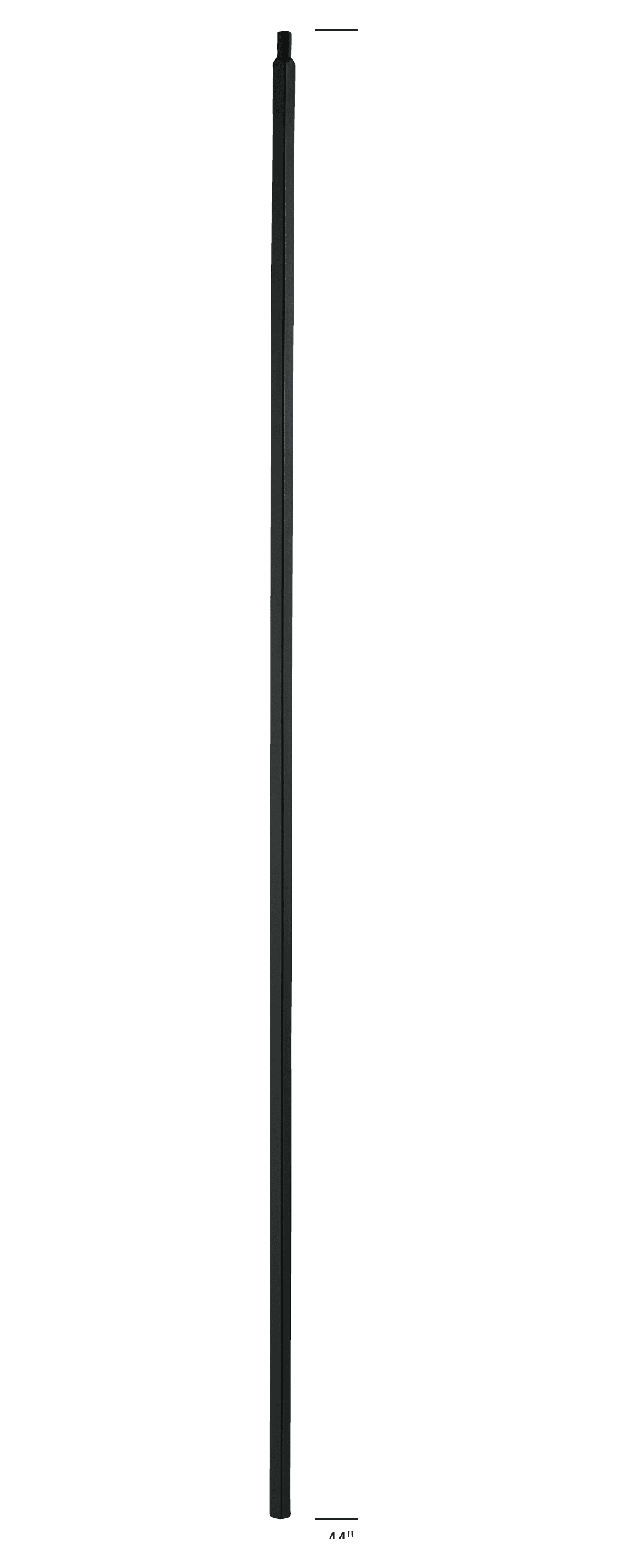 UW-M701PCPlain Square Iron BalusterSpecial orderView →
- Special order · Tanner Rd
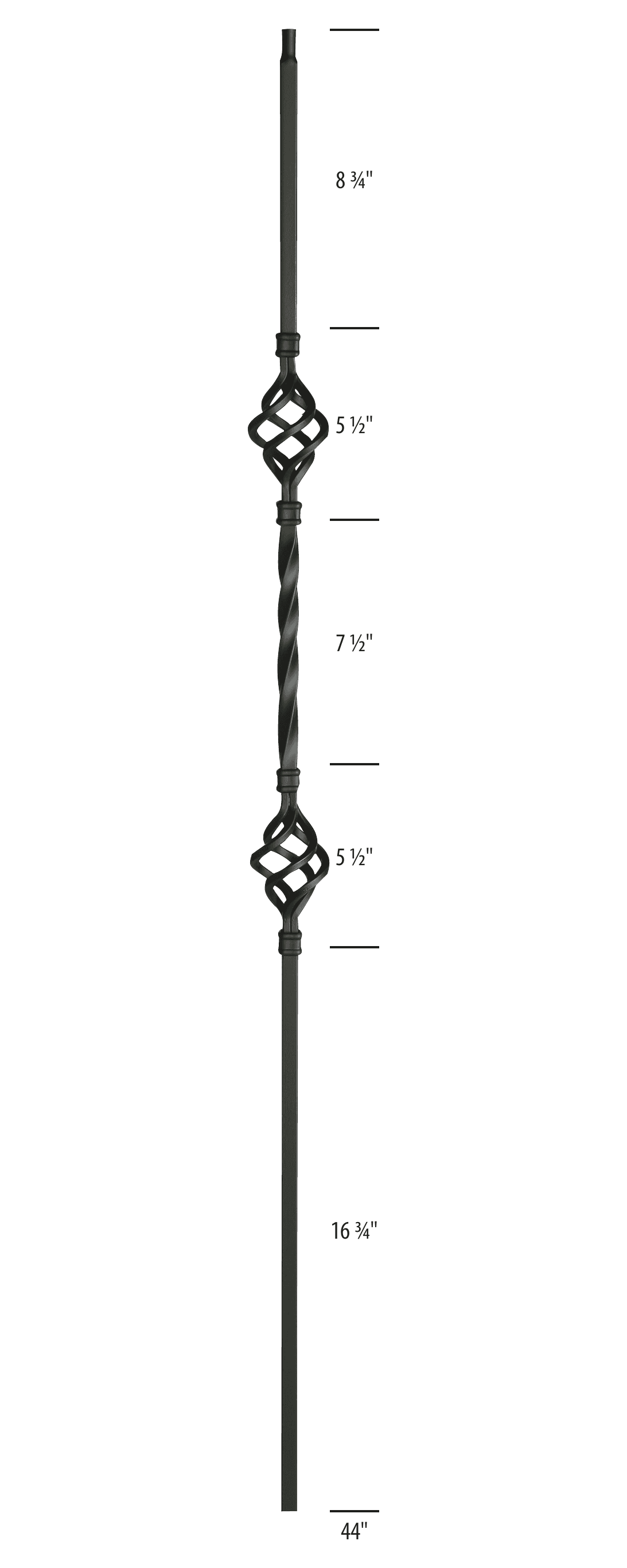 UW-MC481PCDouble Basket Iron BalusterSpecial orderView →
- Special order · Tanner Rd
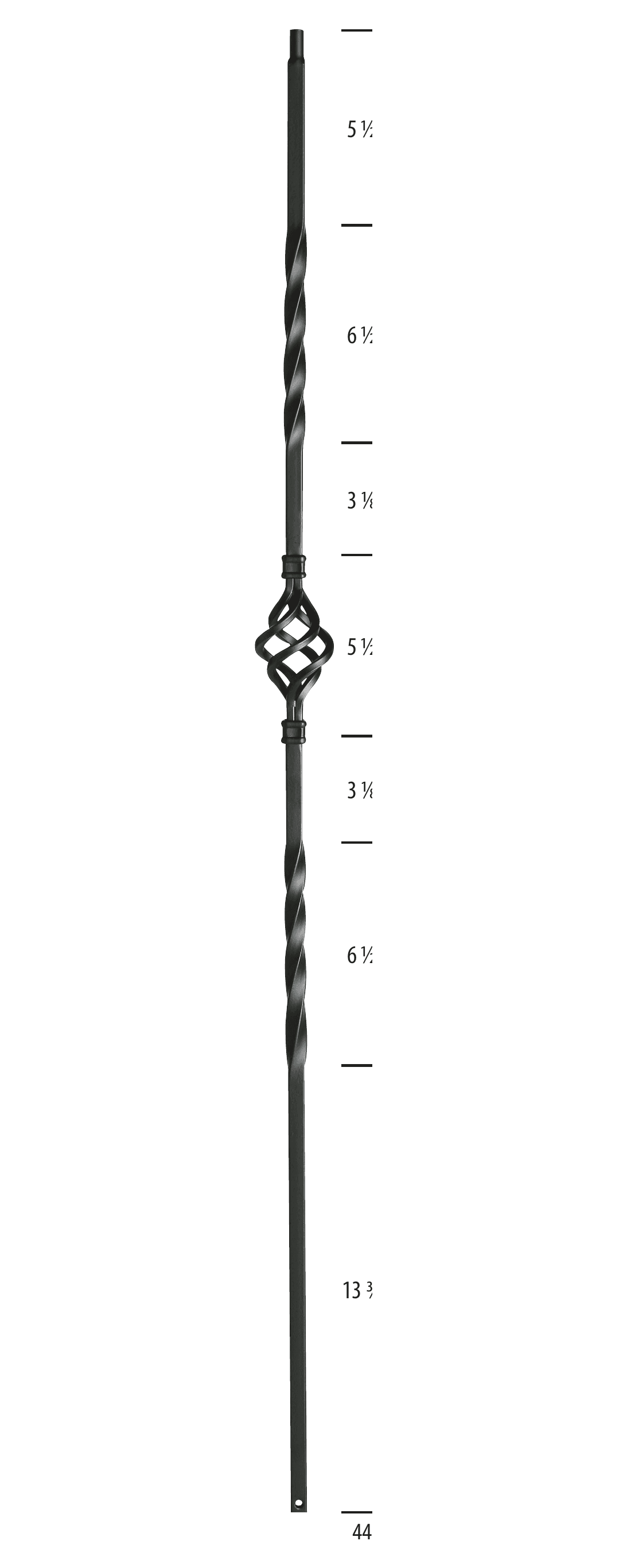 UW-MC482PCSingle Basket Iron BalusterSpecial orderView →
- Special order · Tanner Rd
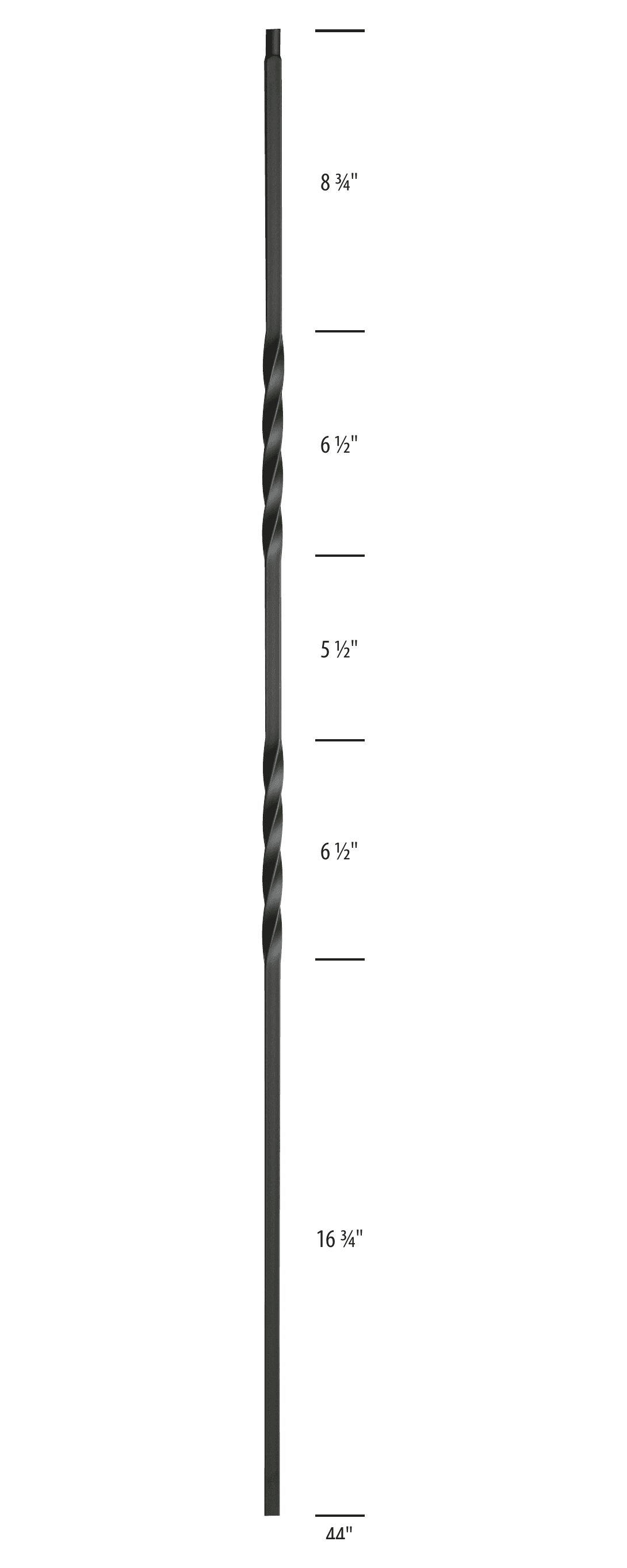 UW-MC533PCDouble Twist Iron BalusterSpecial orderView →
- Special order · Tanner Rd
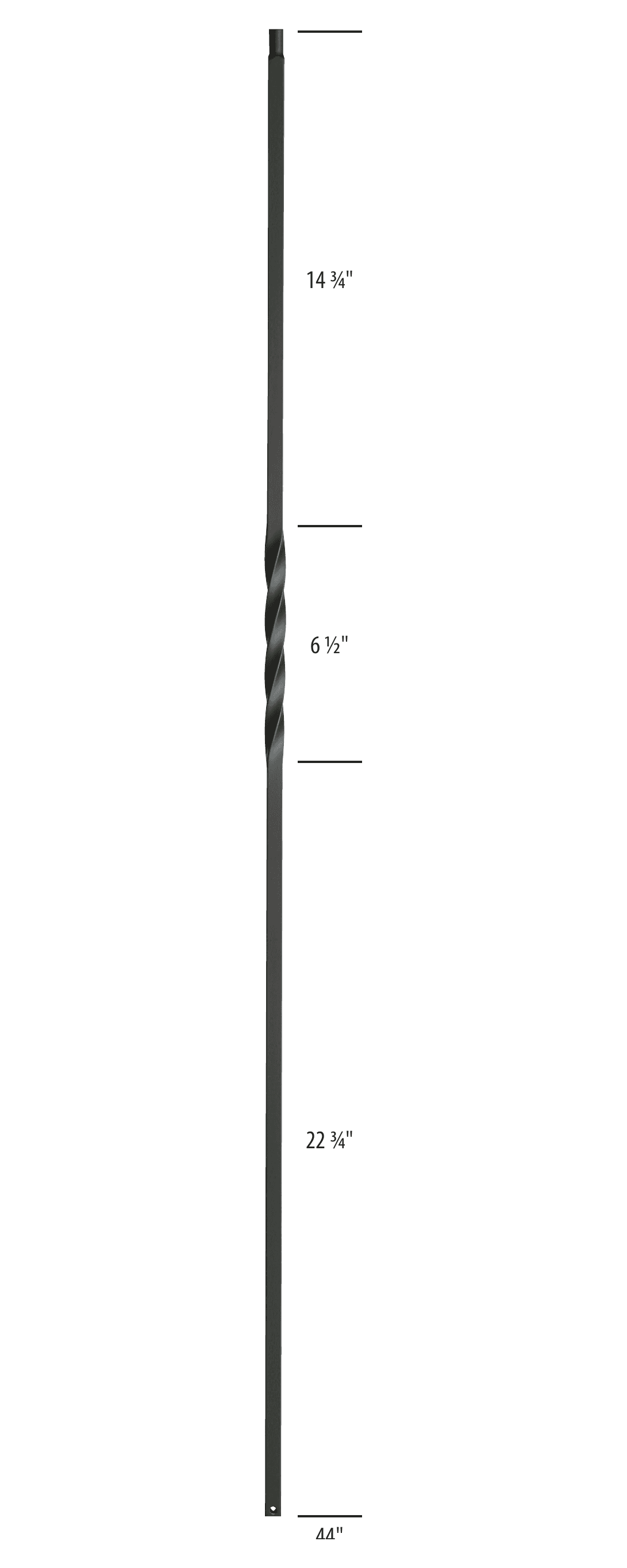 UW-MC658PCSingle Twist Iron BalusterSpecial orderView →
Terms used on this page
Questions people ask before ordering
Iron vs. wood balusters — which one for my staircase?
Wood balusters read as traditional and warm; iron balusters read as transitional, modern, or industrial. Wood is easier to install, refinishable, and matches stained handrails. Iron is more durable, allows thinner profiles for a more open stair, and pairs well with mixed-material designs. Most Houston homes built since 2010 use iron; older traditional homes use wood. Mix them only if the design language supports it.
Read the answer →How do I choose a stair newel post?
A newel post is the structural anchor at the top, bottom, and turns of a stair railing. The four main families are box newel (large rectangular, traditional), turned newel (classical with profile turning), modern square (clean tapered or straight), and craftsman (substantial square with shaker detail). Size to the stair scale (4 to 8 inches), match the baluster style, and use the same wood species as the handrail.
Read the answer →What are the IRC stair code rules in plain English?
The IRC residential stair code requires a minimum 10″ tread depth, a maximum 7-3/4″ riser height, a 3/4″ nosing overhang, 36″ minimum stair width, 6′8″ minimum headroom, and handrails on at least one side. Variation between any two treads on the same flight cannot exceed 3/8″. Most code violations on retrofit jobs come from changing the tread thickness without re-framing the stair.
Read the answer →How do I find a stair installer in Houston?
Find a Houston stair installer by asking your hardwood supplier for referrals, checking specific experience with the product family you’re installing (retro-fit, full-build, curved), and confirming licensing, insurance, and finished references. Avoid installers who don’t mention acclimation, can’t explain the skirt-board math, or quote without seeing the stair in person. Ask for 3 finished-stair references in the species and product you’re installing.
Read the answer →