

Red Oak
Core catalogJanka Hardness1,290 lbf
Pairs with — Medium-tone floors with a warm, slightly pink-red cast — the default for red oak flooring in most American homes.
Core catalog blanks for curved staircases. On a curved or winder stair every tread fans out — up to 20" deep at the open side — so the standard 11-1/2" blank can't cover it. UWP keeps 20"-deep and 30" × 60" blanks on the shelf, in all three stock profiles, so a templated curved tread cuts from one solid piece. Also the answer for deep starting steps and landings-as-tread. Solid hardwood, edge-glued, never veneered, milled in-house from US domestic hardwood.
The true section — depth across, thickness down, nose at the right. The same closed outline the model above is swept from.
Profile
20"–30" deep · 48"–60" wide
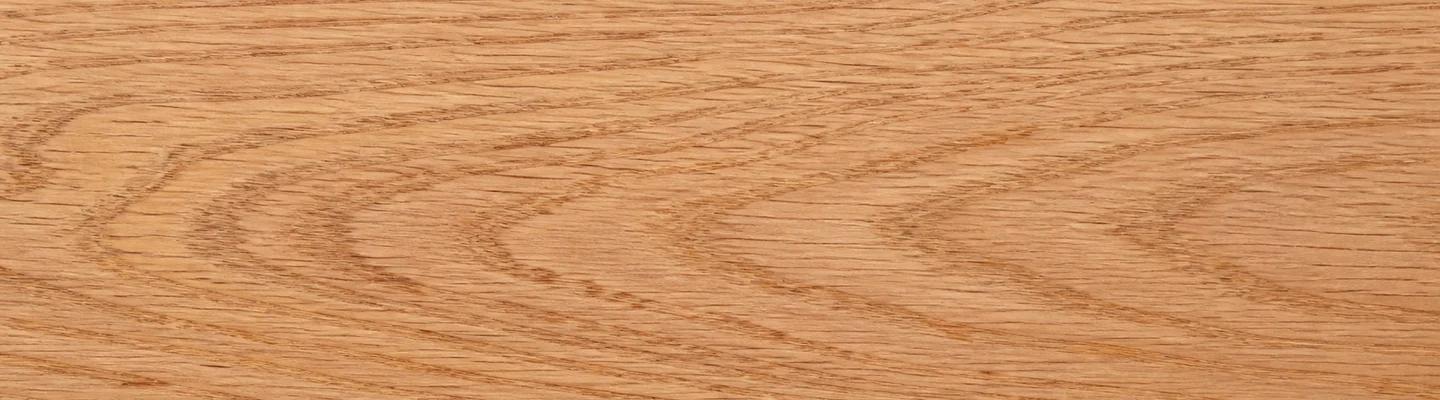
Shown as an indication of colour, not a figure sample. Grain and colour vary board to board.
Reddish tone, prominent open grain. Stocked across all four oversized sizes. Deep square-edge tread — a 20"-deep run in the 8072 square / eased profile, solid 1". Red Oak.
Sheets are marked preliminary. UWP confirms availability, species and lead time before release.
Need a non-stock species, a curved stair, or a length we don't stock? Our mill custom-runs and templates to spec — see Custom Stair Treads.
Order number
807220RO48
Selection · SKU Wide & Deep
Red Oak · Square · 20"D × 48"
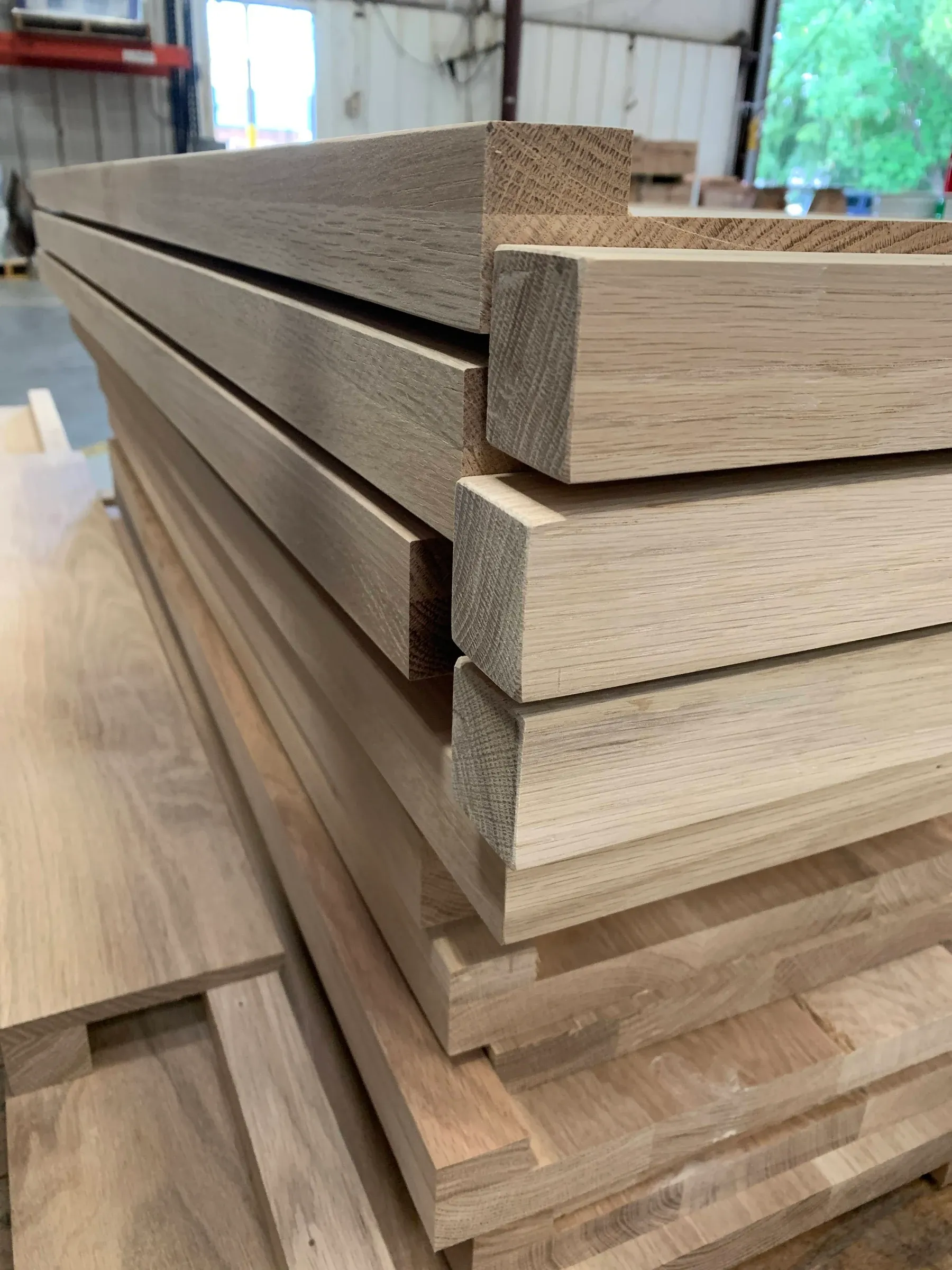
Crafted in-house · NW Houston / Tanner Rd
Explore photographs of UWP treads, curved details, and custom fabrication.
On a straight stair every tread is the same 11-1/2" rectangle. On a curved or winder stair no two are alike — each one fans out from a few inches at the inside wall to 16"–20" at the open side. A standard tread blank can't cover that shape. These oversized blanks can.
Capture the exact shape of each tread — the radius, the taper, the riser angles. UWP offers precision templating for curved stairs.
The 20" × 48" covers most residential curves at 42"–48" wide. The 30" × 60" covers wider stairs, tighter turns, and deep starting steps.
The blank carries the profile you chose — full bullnose (8070), square / eased (8072), or 5/8" retro-fit (8071) — so the finished edge is milled, not improvised.
A staircase reads best when the treads match the floor they meet. Species is chosen for tone, not just hardness — pick the one closest to your flooring and the stair disappears into the room.
Images simulate a water-clear matte coat to show natural species color. UWP material ships unfinished; tone and figure vary by board.
Pairs with — Medium-tone floors with a warm, slightly pink-red cast — the default for red oak flooring in most American homes.
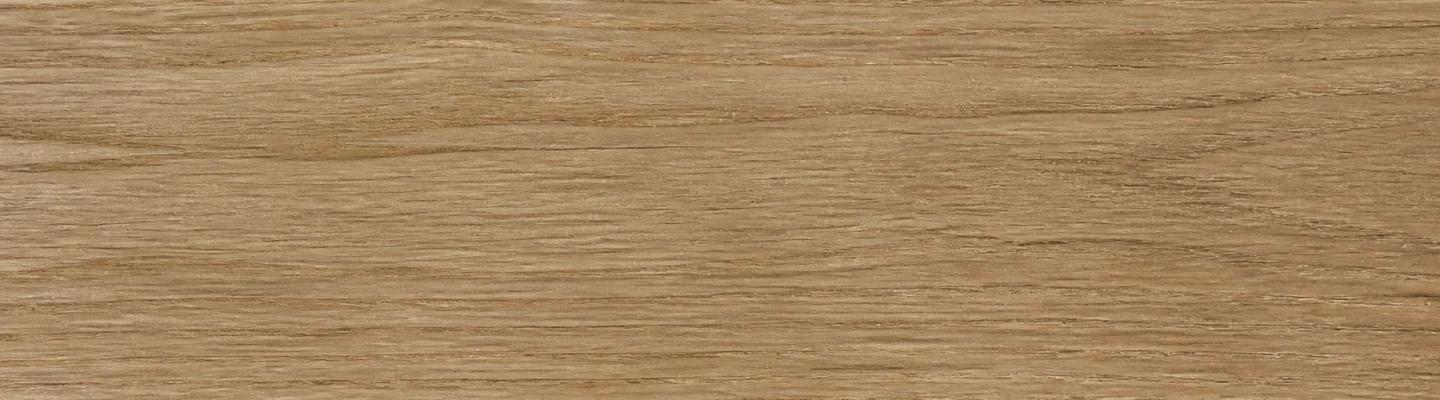
Pairs with — Lighter, cooler floors — white oak, natural, wire-brushed, and modern light finishes. Reads warm-tan, not pink.
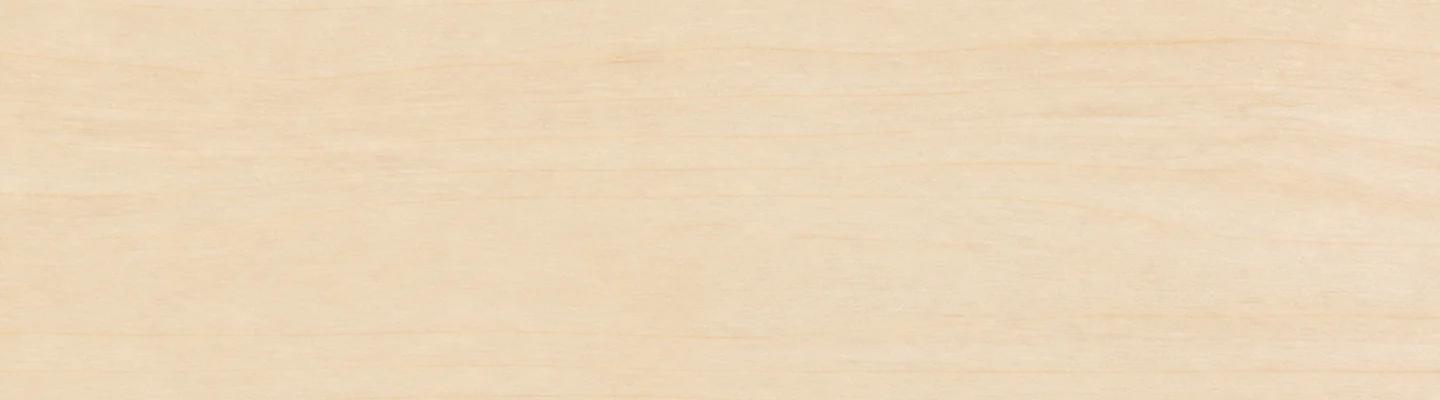
Pairs with — Pale, clean, contemporary floors where an even, near-white tone is wanted.
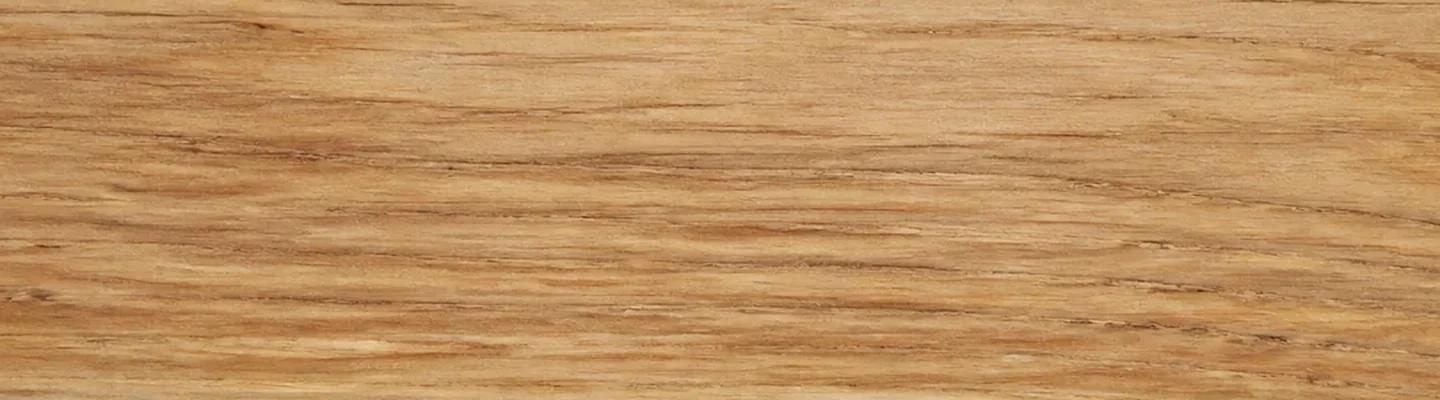
Pairs with — Rustic and character-grade floors with high light-to-dark contrast.
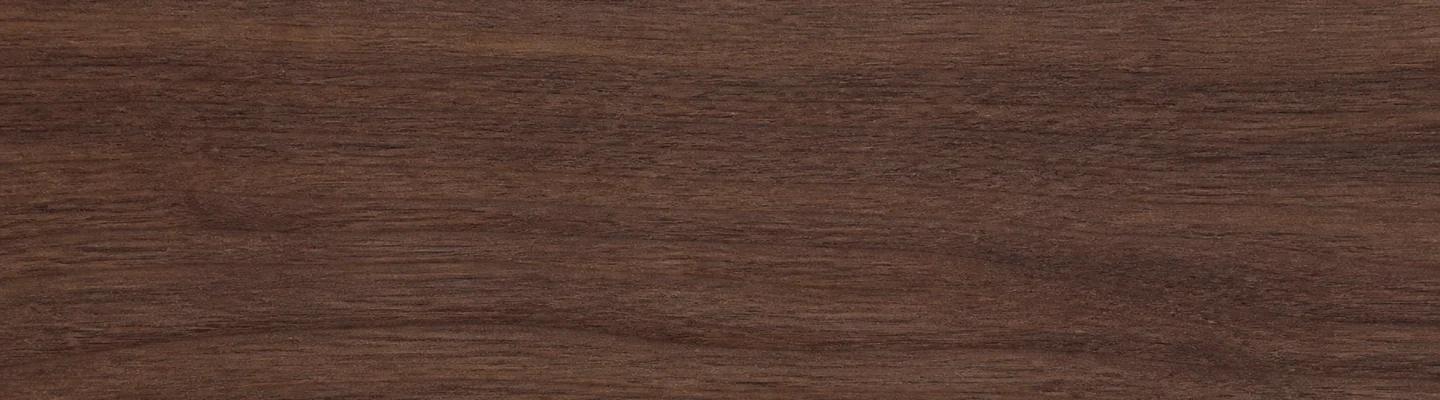
Pairs with — Dark, rich floors and high-end interiors where a deep chocolate tone is the statement.
Send a sample of your floor — we'll species-match the run.
Red Oak and White Oak are core catalog species; the rest are made to order. Current material availability is confirmed on the quote. Janka hardness is listed for reference—every species here is solid, edge-glued, and refinishable.
Red OakWhite OakHard MapleHickoryWalnut| Species | Hardness | Color & appearance | Grain & texture | Availability |
|---|---|---|---|---|
| Red Oak | 1290 lbf | Light-to-medium brown with a reddish cast; stains slightly pink. | Bold, prominent grain lines with occasional swirl. | Core catalog |
| White Oak | 1350 lbf | Light-to-medium brown with an olive, not pink, cast. | Medium-to-coarse, slightly open structure. | Core catalog |
| Hard Maple | 1450 lbf | Creamy white to light reddish-brown; clean and modern. | Mostly straight, sometimes wavy; fine, even texture. | Made to order |
| Hickory | 1820 lbf | Creamy lights against rich browns; rustic and striking. | Coarse, pronounced, high-contrast figure. | Made to order |
| Walnut | 1010 lbf | Deep, luxurious chocolate tones; warm and refined. | Fine-to-medium grain, smooth and elegant. | Made to order |
These are the species that match or complement common hardwood flooring. Running the stair in the same species as the floor keeps grain and tone consistent, so the staircase reads as a deliberate extension of the room rather than a separate part.
Want the full picture — Janka hardness, tone, grain, and the species we source to order? Read the complete wood species guide →
No engineered cores, no veneer, no compromises — the reasons a solid UWP tread is still there decades after the trends move on.
Full-thickness hardwood the whole way through — not a veneer skin over a cheap core. What you sand into is more of the same wood.
Sand and recoat it many times over its life. A solid tread outlasts the carpet, the paint, and usually the renovation that put it in.
North American hardwood, milled in-house for a short supply chain and a solid-wood result without imported-veneer surprises.
Solid wood absorbs footfall and holds room temperature — none of the cold, hollow click of tile, stone, or hollow-core treads.
Most treads run 11-1/2" deep. These are the deep and wide exceptions UWP keeps on the shelf — 20" to 30" deep, up to 60" wide — first for curved and winder staircases, then for starting steps, deep landings-as-tread, and oversized stairs, in all three stock profiles.
A pie-shaped tread runs ~8" deep at the wall and up to 20" at the open side. Template it on site, lay the template on a 20" × 48" blank, and cut the whole tread from one solid piece.
A 20"–30" deep bottom step or bullnose starting tread that projects past the stringers.
The 30" × 60" slab works as a shallow landing or an oversized single tread where a full landing platform is too much.
Replacing an unusually deep existing tread? These stocked depths often save a custom run.
The 5/8" retro-fit deep blank caps an existing curved or oversized tread without demolition — same template-and-cut method.
Straight answers to the questions we field at the will-call counter — not a marketing FAQ.
The 8070 is a full 1″ tread for new builds or full demos. The 8071 is a 5/8″ retro-fit overlay built to drop over carpeted stairs without demolition. The key reason: when you pull the carpet, the wood skirt board next to the staircase is roughly 11/16″ thick. The 8071 lands flush against it. The 8070 sits about 1/4″ proud and looks unfinished.
Read the answer →A standard hardwood stair tread is 1 inch thick, 10-1/2″ to 11-1/2″ deep (front to back), and stocked in 42″, 48″, and 60″ widths at UWP — with red oak running to 96″. The IRC building code requires a minimum 10″ tread depth with a 3/4″ nosing overhang. Custom widths, depths, and thicknesses are available built to order.
Read the answer →Bullnose treads have a rounded front edge that overhangs the riser — the traditional look in American homes. Square-edge (and eased) treads have a straight or slightly softened front edge — the modern look. Both meet code with a 3/4″ nosing. Pick bullnose for traditional and transitional designs; square or eased for modern, contemporary, and minimalist projects.
Read the answer →Match new stair treads to existing floors in three steps: confirm the floor species (red oak and white oak look similar but stain very differently), order unfinished treads in the same species, and have the same finisher stain and topcoat both the floor and the treads with the same can. Pre-finished stair treads almost never match a site-finished floor exactly.
Read the answer →