

Moulding family
Base Shoe & Quarter Round
5 profiles · 4 stocked at Tanner Rd
A hardwood floor has to move, so it stops short of the wall and something has to cover the gap. Base shoe does it with a tall, narrow profile that hugs the baseboard and disappears; quarter round does it with a true quarter circle that reads as its own line. Shoe is the trim carpenter’s choice under a tall base; quarter round is what most flooring stores stock because it hides a wider gap.
Both are stocked in solid hardwood patterns to match the floor rather than the base, which is why they are sold here alongside the flooring transitions. Nailed to the base, never to the floor, so the floor can move beneath them.
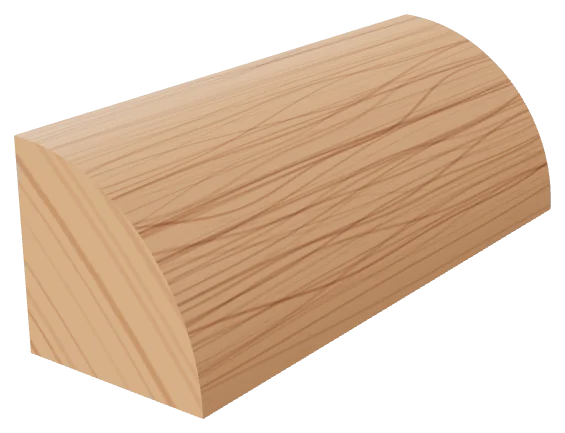
Quarter Round Moulding
11/16" × 11/16"
In stockView profile →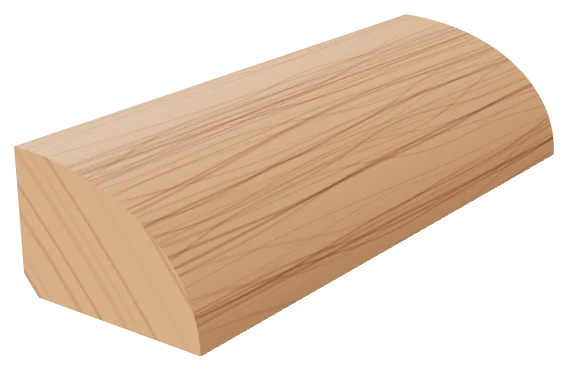
Base Shoe Moulding
1/2" × 3/4"
In stockView profile →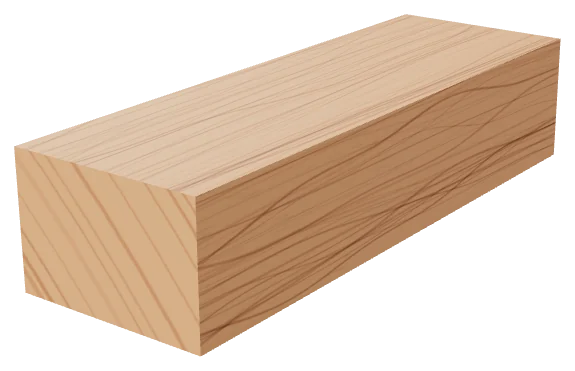
Square Shoe Moulding
1/2" × 3/4"
In stockView profile →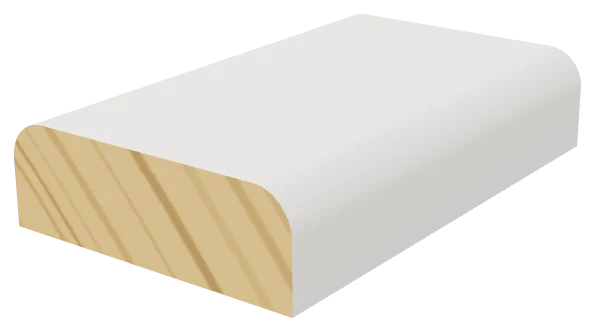
Modern Shoe Moulding
1/4" × 3/4"
In stockView profile →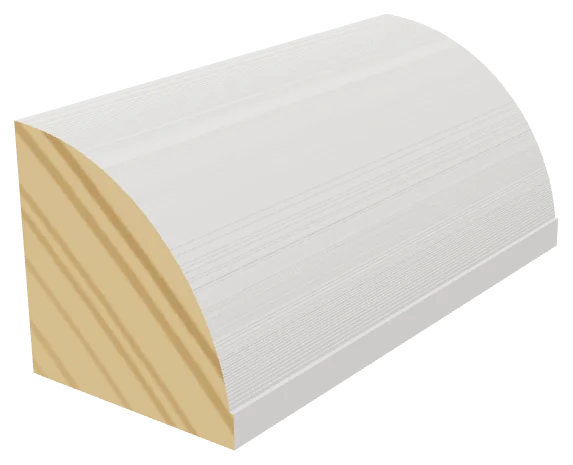
Quarter Round
1/2" × 1/2"
Special orderView profile →Terms used on this page
Questions people ask before ordering
Shoe moulding vs. quarter round — what’s the difference and which one do I need?
Quarter round is a true quarter-circle profile — equal on both faces, typically 3/4″ × 3/4″. Shoe moulding is taller than it is wide — typically 1/2″ × 3/4″, with a softer rounded face — sitting more discretely against the baseboard. Both finish the seam between baseboard and floor. Pick shoe moulding when you want a quieter look; quarter round when you have a wider gap to cover.
Read the answer →What are threshold and transition strips, and which one do I need?
Threshold and transition strips finish the seam where two floors of different heights or materials meet. The four main types are T-mould (same-height transition between same-thickness floors), reducer (taller floor to shorter floor), end-cap or carpet-edge (hardwood to carpet), and threshold (door opening, where two rooms meet). Pick by the floor heights you’re transitioning and what kind of doorway it is.
Read the answer →Does Houston humidity damage hardwood floors and stair treads?
Houston outdoor humidity is high year-round, but conditioned indoor humidity stays in a normal range (30%–55% RH) — the same as most US homes. Hardwood floors, stair treads, and mouldings installed in conditioned Houston interiors perform as well as anywhere else in the country. The risk isn’t the climate; it’s installing wood in an unconditioned space or skipping acclimation.
Read the answer →How do I refinish hardwood floors?
Refinishing hardwood floors is one of the most rewarding renovations you can do — a worn floor comes back to new for a fraction of replacement cost. The process: sand off the old finish (drum sander + edger), vacuum and tack, stain if changing color, apply 2 to 3 coats of new polyurethane or hard-wax oil. DIY is possible but the sanding step is unforgiving — most homeowners hire a pro for the sand and DIY only the finish coats.
Read the answer →