PoplarPaint-Grade · Most Popular
Janka hardness540 lbf
Best for — Our highest-volume species. The value choice for painted trim, casing and built-ins — a lower-cost paint-grade hardwood for any profile finished in colour, not stain.
11/16" × 11/16" — stocked at NW Houston / Tanner Rd in Primed FJ Pine 12′, Primed FJ Pine 16′; Red Oak, White Oak, Hickory, Maple, Pine, Poplar, Flex to order, or ground to match an existing profile.
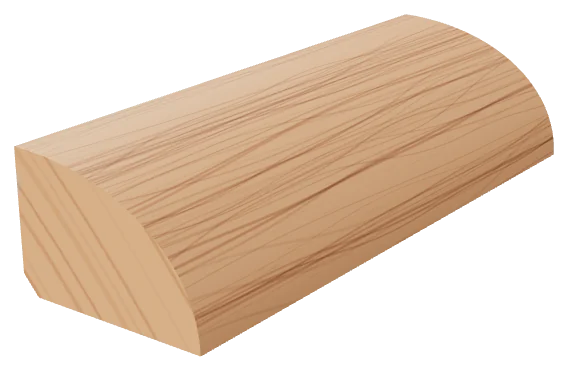
Red Oak · 11/16" × 11/16"
Quarter Round · Random Length
PROFILE
UW106
priced by the foot on your quote
An 11/16″ × 11/16″ inside-corner profile used to finish the transition between hardwood flooring and baseboard. Hides expansion gaps, softens the corner, and seals out dust without drawing attention to itself.
Colour is indicative — grain and colour vary board to board.
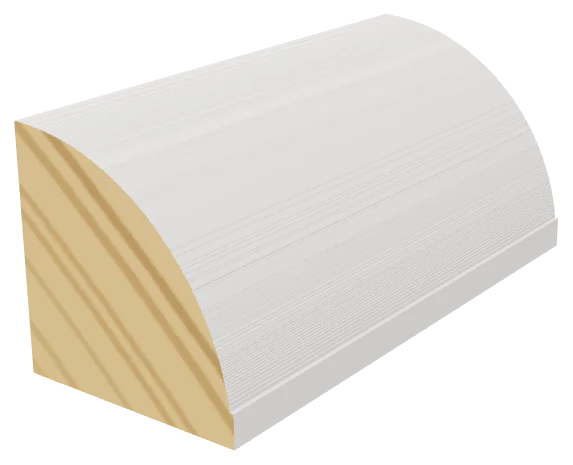
Also ordered as Primed FJ Pine · 16' · 1031274.
A stocked profile runs one size off one knife. Length is a quantity, not a dimension — order by the foot.
Need this section at another height, in another species, or ground to match an existing profile? That is a custom run — send us a sample or an offcut.
Order by the code above at the Tanner Rd counter. Pricing, availability and lead time are confirmed on the quote.
PROFILE
UW106priced by the foot on your quote
Specification · UW106
Red Oak · 11/16" × 11/16" · Quarter Round
THE ROOM STUDIO
Start with this profile in primed FJ pine. Explore baseboard, casing, crown, and shoe together, then share your room selection.
View UW106 in Room StudioUW106 selected when you open the studio.

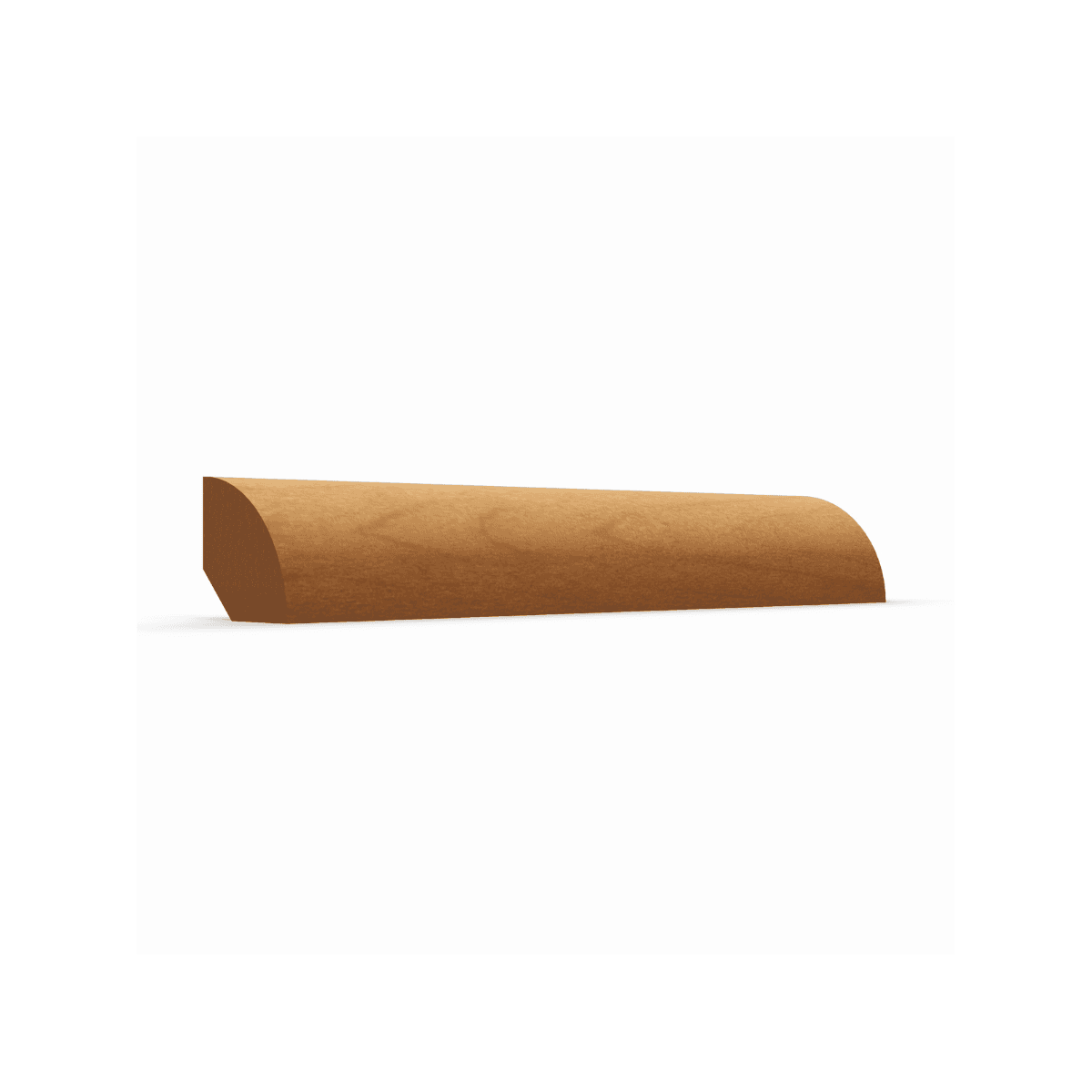
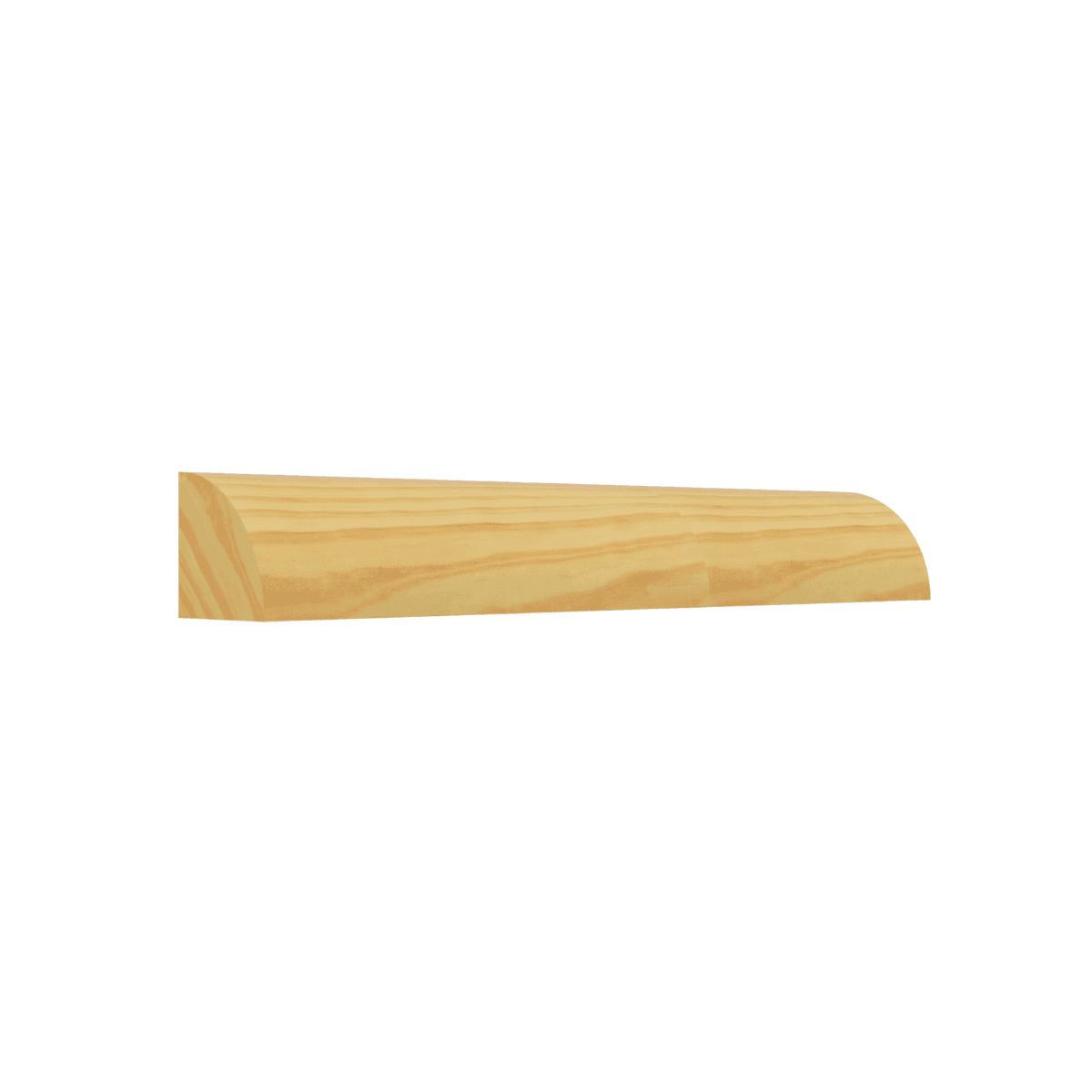
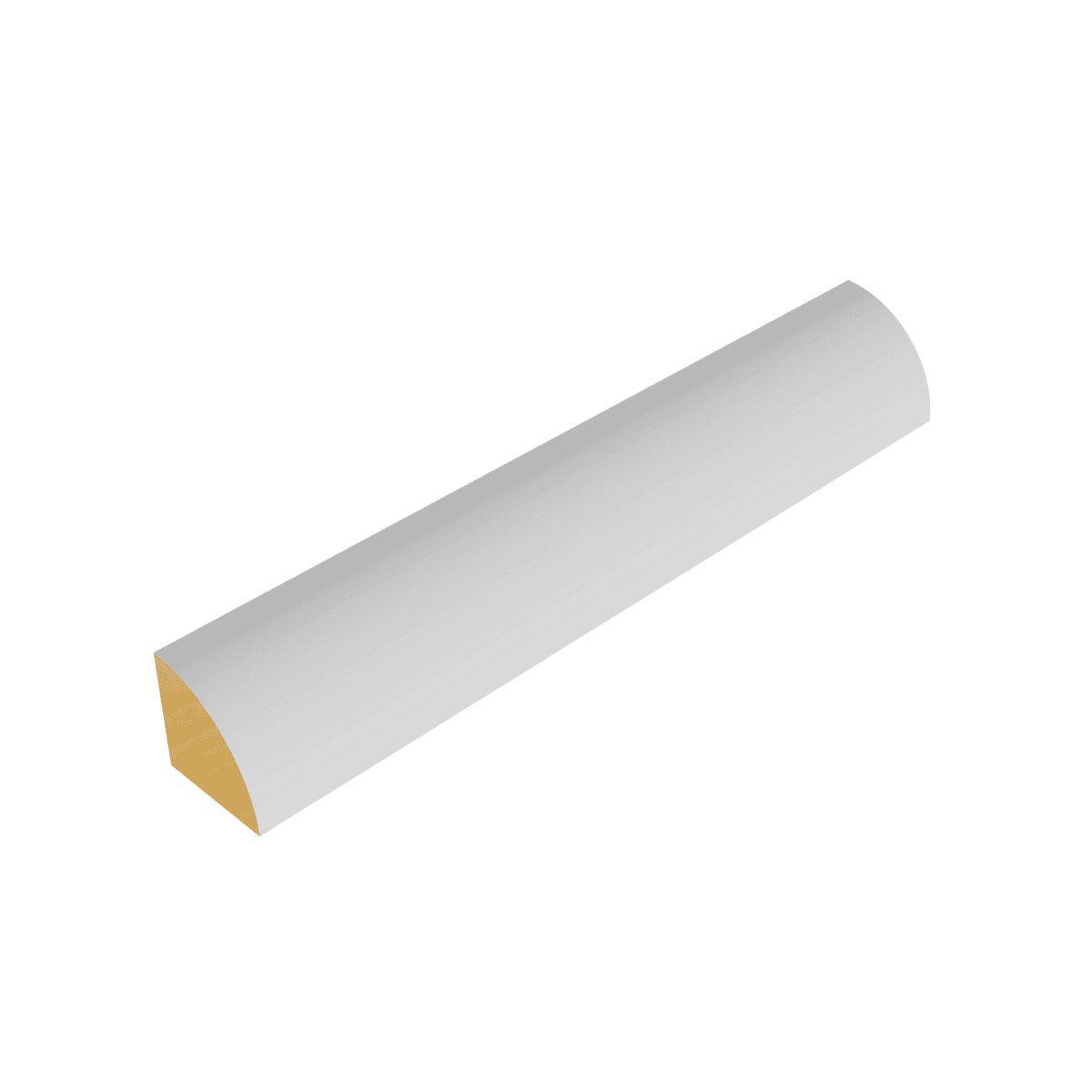
Stocked profiles run primed for paint; in solid wood this one is milled to order, so the species is your choice rather than whatever is on the shelf. These are the five we run most for base shoe & quarter round — pick one in the swatches above to see this profile in it.
Best for — Our highest-volume species. The value choice for painted trim, casing and built-ins — a lower-cost paint-grade hardwood for any profile finished in colour, not stain.
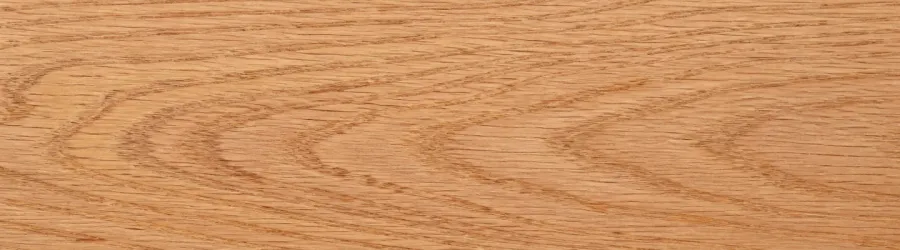
Best for — The workhorse match for red oak floors — the most-stocked species across treads and moulding.
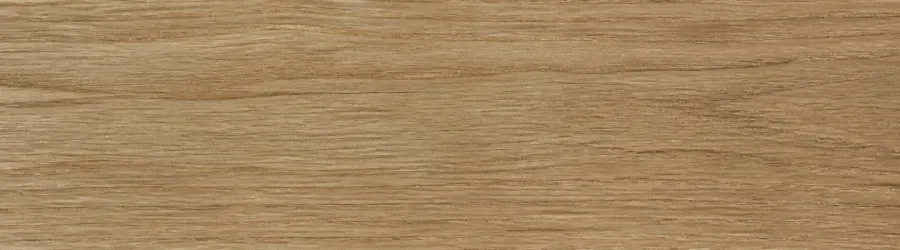
Best for — Cooler, modern, wire-brushed and natural finishes; the premium choice for light contemporary work.

Best for — Pale contemporary work, maple cabinetry, and anywhere an even near-white tone is wanted.
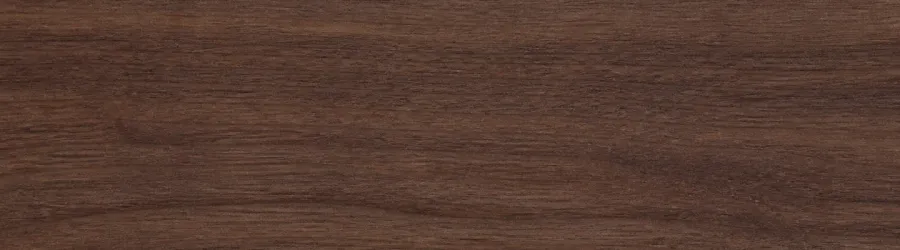
Best for — Dark, high-end interiors and feature work where a rich chocolate tone is the statement.
The profile rendered in each material it is sold in. These show finish, not size — the drawing above carries the dimensions.
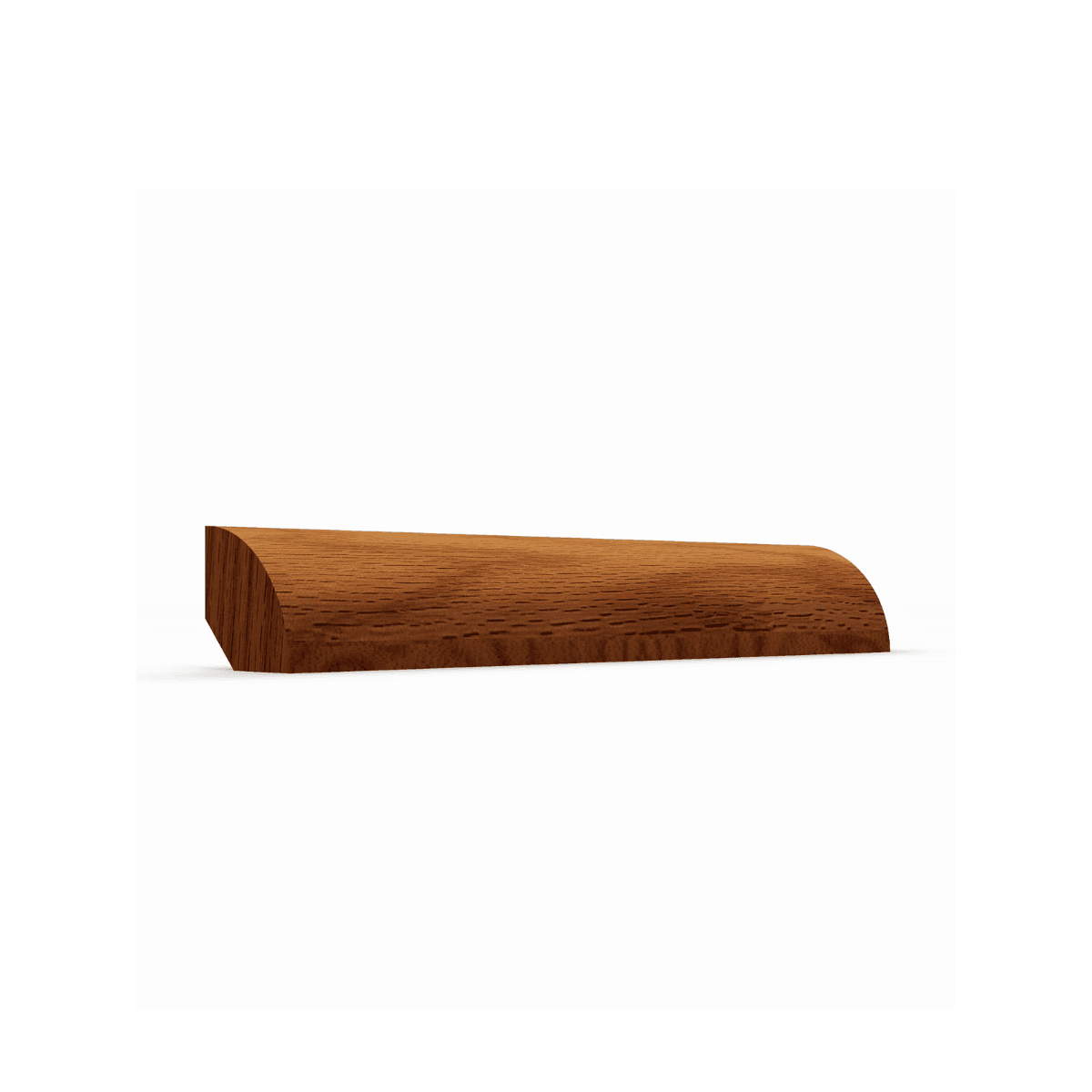
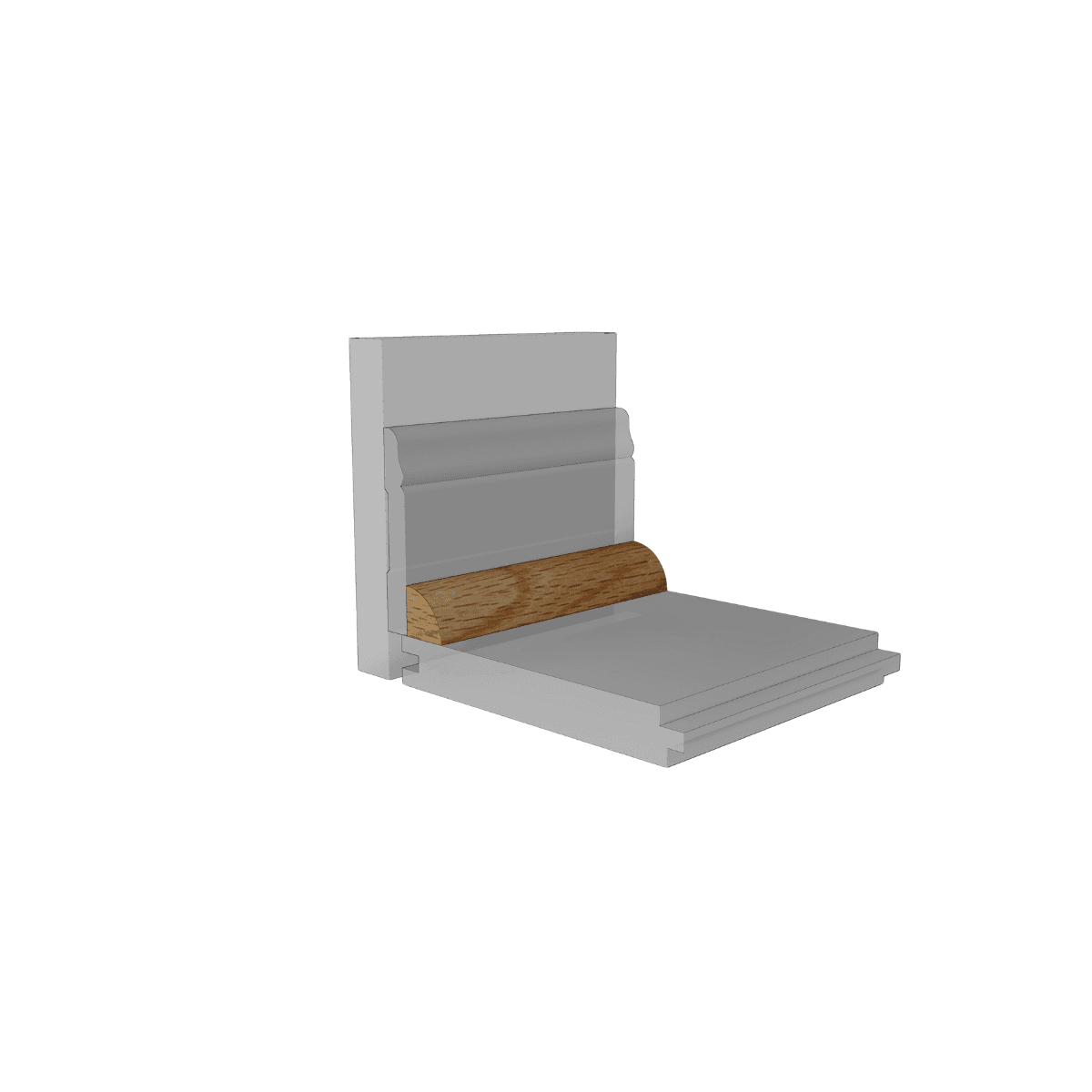
Tucks against the baseboard and over the floor to hide the expansion gap left by floating or nail-down installs.
The radius reads as a single intentional line instead of a sharp 90° meeting between two finishes.
Closes the gap that collects dust and lets conditioned air sneak under the baseboard.
Hides minor floor edge irregularities on retrofits without pulling and re-cutting baseboard.
Quarter round is a true quarter-circle profile — equal on both faces, typically 3/4″ × 3/4″. Shoe moulding is taller than it is wide — typically 1/2″ × 3/4″, with a softer rounded face — sitting more discretely against the baseboard. Both finish the seam between baseboard and floor. Pick shoe moulding when you want a quieter look; quarter round when you have a wider gap to cover.
Read the answer →For 9-foot ceilings, the standard recommendation is a 5-1/4″ to 7-1/4″ baseboard — roughly 5% to 8% of ceiling height. 5-1/4″ keeps the room feeling modern and uncluttered; 7-1/4″ reads as traditional and substantial. Don’t go below 4-1/4″ on a 9-foot ceiling; the proportions look pinched. Match the casing scale — bigger base wants 3-1/2″ or wider casing.
Read the answer →Nominal size is the rough dimension before surfacing; actual size is what you get after the planer. A 1×6 leaves the mill rough at roughly one inch by six and arrives S4S at 3/4 inch by 5-1/2 inch. Hardwood adds a second system: quarters, where 4/4 is one inch rough and 8/4 is two inches rough.
Read the answer →Yes. UWP runs custom knives to match existing baseboards, crown, casing, and any other milled profile. Bring us a 6-inch sample piece, a clean sketch with dimensions, or even a photo with a scale reference. We grind a new knife to match, run your order, and keep the knife on file for re-orders. One-time knife fee covers the setup; per-foot pricing matches our stock catalog.
Read the answer →