

Moulding family
Window Stool
4 profiles · 1 stocked at Tanner Rd
The window stool is the interior sill: the flat, bullnosed board the side casings land on and the apron hangs under. It is the one piece of window trim that is horizontal, so it collects dust, plants and elbows, and it is milled thicker than the casing to take that. The rabbet on its back edge is cut to the sash, which is why a replacement is matched to the window, not the room.
Stocked in solid hardwood in the common rabbet depths, with the matching apron listed on each profile page. Milled to a drawing for anything else, including a stool deep enough for a window seat.
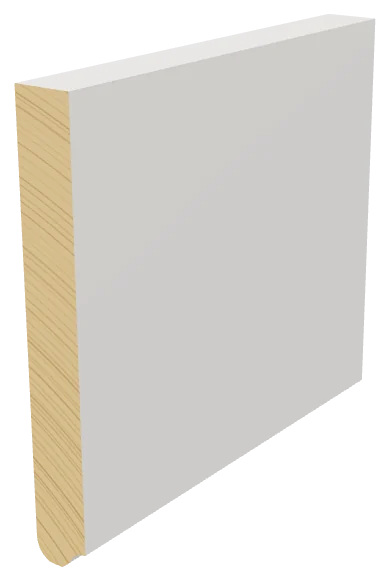
Window Stool
11/16" × 5-1/4"
Special orderView profile →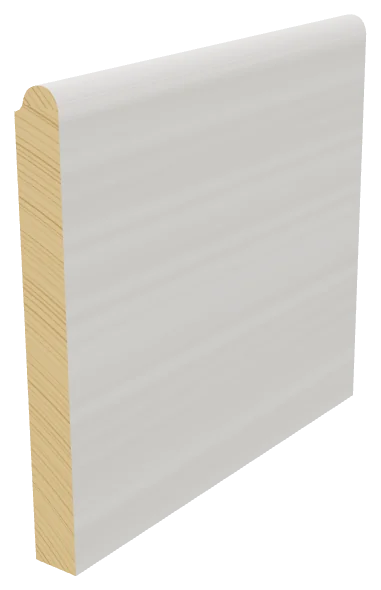
Window Stool
11/16" × 6-1/4"
In stockView profile →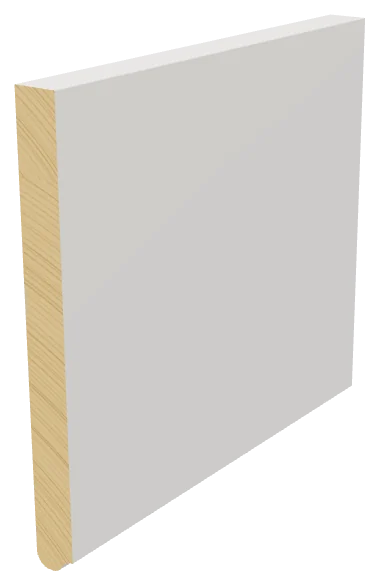
Window Stool
11/16" × 7-1/4"
Special orderView profile →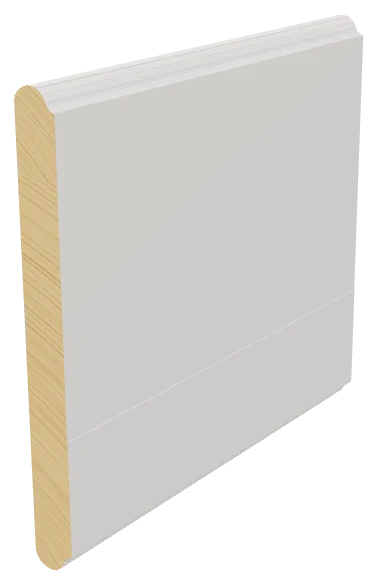
Window Stool
11/16" × 7-1/4"
Special orderView profile →Terms used on this page
Questions people ask before ordering
Casing styles — colonial vs. craftsman vs. modern square. Which one for my home?
Three casing styles cover most American homes: colonial (stepped profile, traditional, the default since the 1950s), craftsman (flat board with a simple cap, square-edged, bungalow and arts-and-crafts homes), and modern square (a flat rectangle, no profile, contemporary and minimalist). Pick by the era and architecture of your home — don’t mix styles between the casing and the baseboard.
Read the answer →What trim goes where? A room-by-room guide.
Trim choice should read as a consistent system across the house, not a room-by-room patchwork. Baseboard and casing run everywhere, sized to ceiling height and door scale. Crown is reserved for formal rooms in traditional homes and skipped in modern ones. Chair rail and panel mould go in formal dining and entry. Stair trim ties the upstairs and downstairs together.
Read the answer →Can you match my existing moulding profile?
Yes. UWP runs custom knives to match existing baseboards, crown, casing, and any other milled profile. Bring us a 6-inch sample piece, a clean sketch with dimensions, or even a photo with a scale reference. We grind a new knife to match, run your order, and keep the knife on file for re-orders. One-time knife fee covers the setup; per-foot pricing matches our stock catalog.
Read the answer →Polyurethane vs. oil finish on hardwood — which one should I use?
Polyurethane is a film-forming finish — it sits on top of the wood, harder and more abrasion-resistant, but harder to repair locally. Oil finishes (Rubio Monocoat, Osmo, tung oil) penetrate into the wood, look more natural, and are easier to spot-repair — but provide less surface protection. Pick polyurethane for stairs and high-traffic floors; oil for countertops, lower-traffic floors, and natural-look projects.
Read the answer →