


DAP Power Point 200 Caulk — White
- Will-call code
- white200
- Spec
- White · paintable · 10.1 oz
- Pack
- Each (cartridge)
- Pickup
- Tanner Rd, Houston
DAP Power Point 200 siliconized acrylic latex caulk in White. Paint-ready in 30 minutes — seals baseboard and casing edges, corners and seams.
Where it's used
Trim top edge
Run a thin bead where baseboard and casing meet the wall, then tool it flat for a seamless paint line.
Inside corners
Fills the gap at coped and mitered inside corners so the joint disappears under paint.
Paintable & fast
Siliconized acrylic latex — water clean-up, paint-ready in ~30 minutes. Takes latex and oil trim paint.
Pairs with: Baseboard, casing, and crown for the top-edge seal. Wood filler for nail holes (different job).
Questions
Can I paint over it?
Yes — it is a paintable acrylic latex caulk, paint-ready in about 30 minutes. Tool the bead smooth before it skins for the cleanest line.
Caulk or wood filler for nail holes?
Use caulk for the long seam where trim meets the wall and at inside corners. Use wood filler/putty for nail holes and end-grain seams — caulk shrinks into a deep hole.
How do I order this?
Order by code at the will-call counter (NW Houston / Tanner Rd). Pricing is quoted at pickup. Open a cash account to streamline repeat orders.
Do you ship, or is it pickup only?
Will-call at the Tanner Rd yard (9915 Tanner Road, NW Houston), or Houston-metro delivery scheduled on the quote.
Fasten it. Finish it.
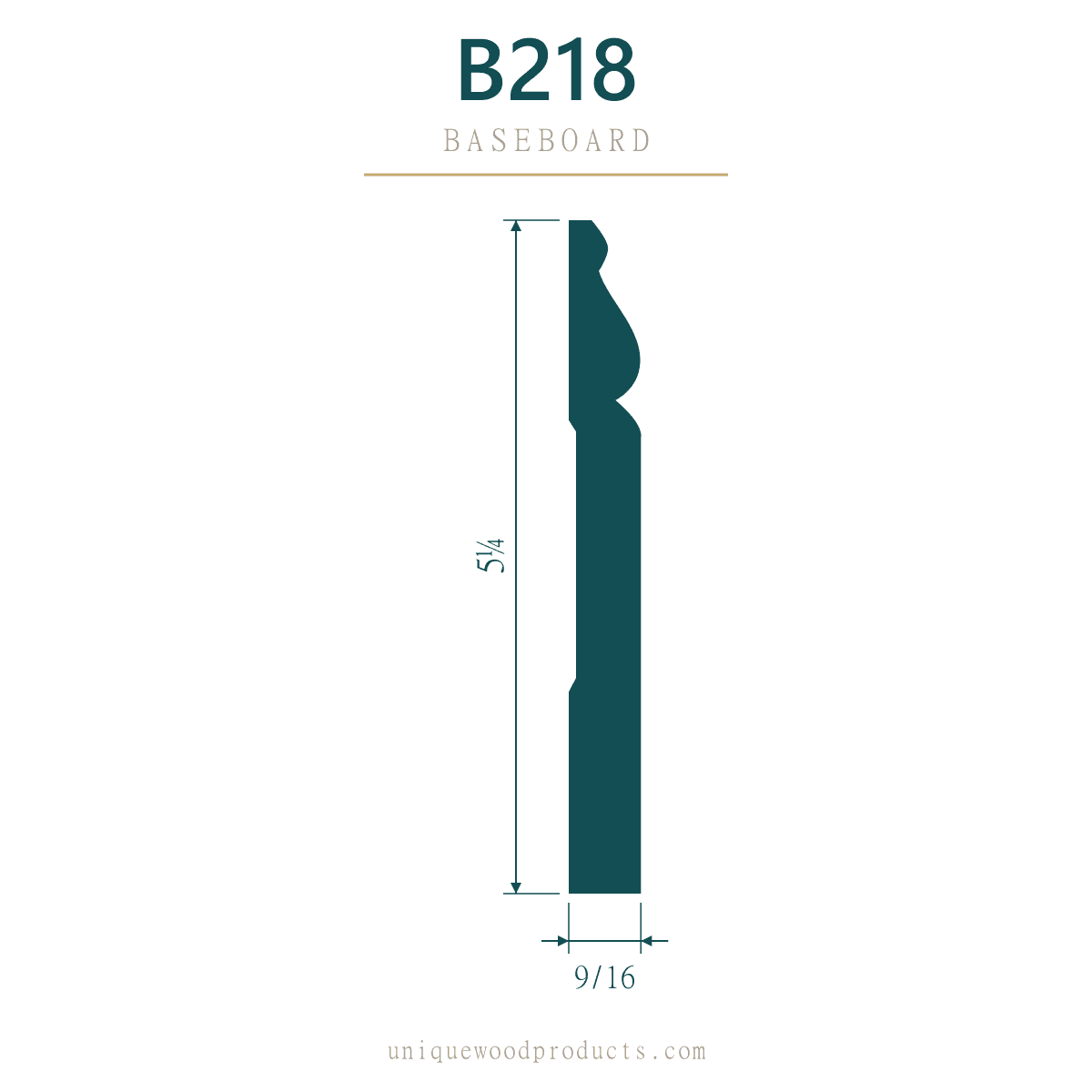
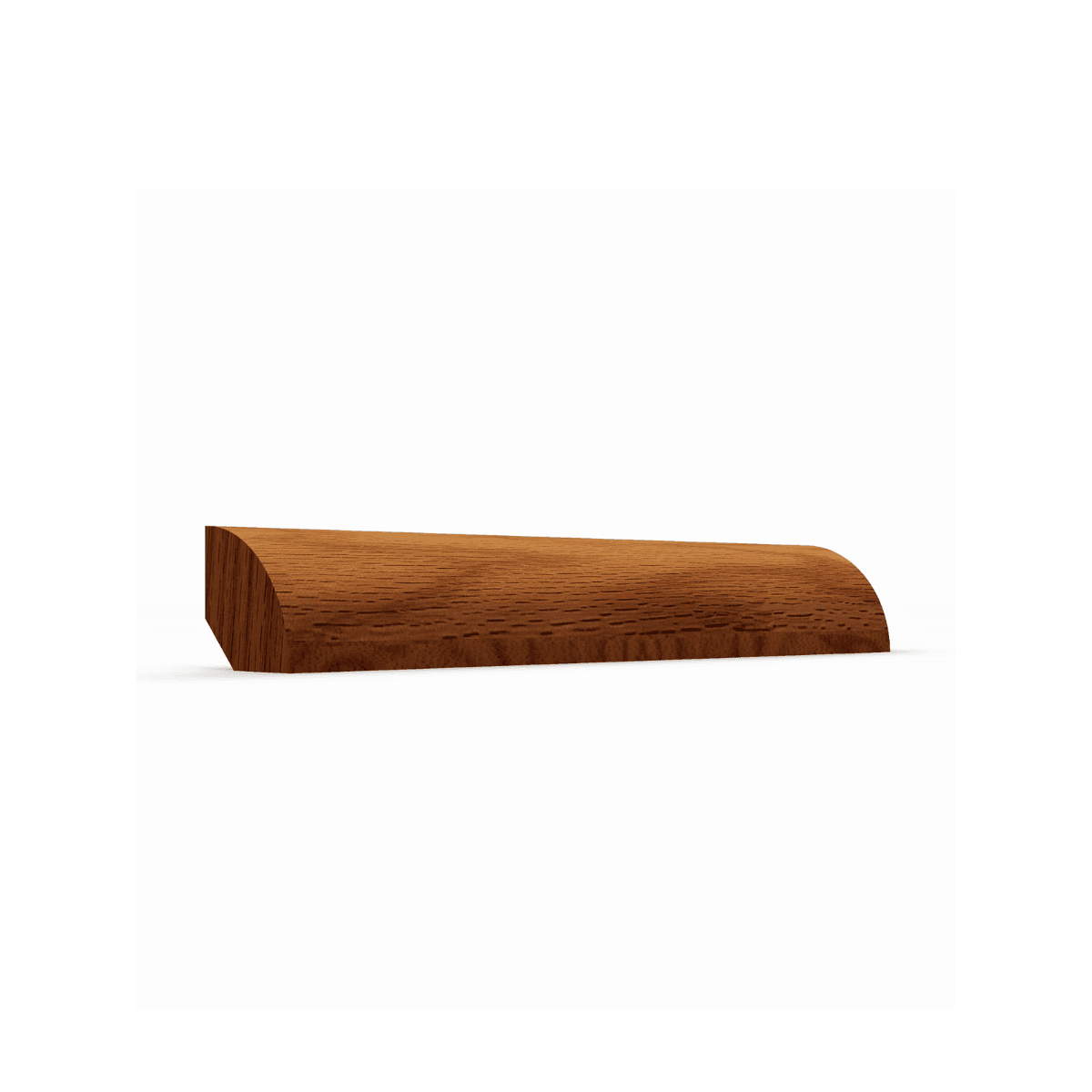
The baseboard, shoe, and quarter round these go on — pulled from the same yard so you leave with the whole job.

Questions people ask about the jobs these ride along with
How much trim do I need? A room-by-room calculation guide.
Calculate baseboard by measuring the perimeter of every room, subtracting door openings, then adding 10% for waste. Casing needs 17 to 20 linear feet per standard door, 14 to 17 per window. Crown takes the same perimeter as base. Shoe and quarter round match the base. The trim and casing calculator on our site does the math by room — feed in dimensions, get a total order list.
Read the answer →What trim goes where? A room-by-room guide.
Trim choice should read as a consistent system across the house, not a room-by-room patchwork. Baseboard and casing run everywhere, sized to ceiling height and door scale. Crown is reserved for formal rooms in traditional homes and skipped in modern ones. Chair rail and panel mould go in formal dining and entry. Stair trim ties the upstairs and downstairs together.
Read the answer →How do you install a tongue-and-groove ceiling?
Run the boards perpendicular to the joists, or add furring at 16 inches on centre if you need to run them the other way. Acclimate first. Start with the groove edge to the wall, blind-nail through the tongue shoulder at 45 degrees into every joist, and leave a 1/2 inch expansion gap at the perimeter for the trim to cover.
Read the answer →How do I install hardwood stair treads?
A confident DIYer can install a hardwood stair tread retrofit in a weekend. The sequence: pull carpet and staples, prep the substrate flat and quiet, acclimate the treads for 5 to 7 days, dry-fit each tread, glue with a urethane construction adhesive, fasten with stainless trim screws (countersunk), plug, sand, and finish. Risers go in before treads on a full build; after, on a retrofit.
Read the answer →